Portuguese
  Spanish




Discover Who Owns the Impressive Fleets of Trucks That Dominate the Roads of Brazil
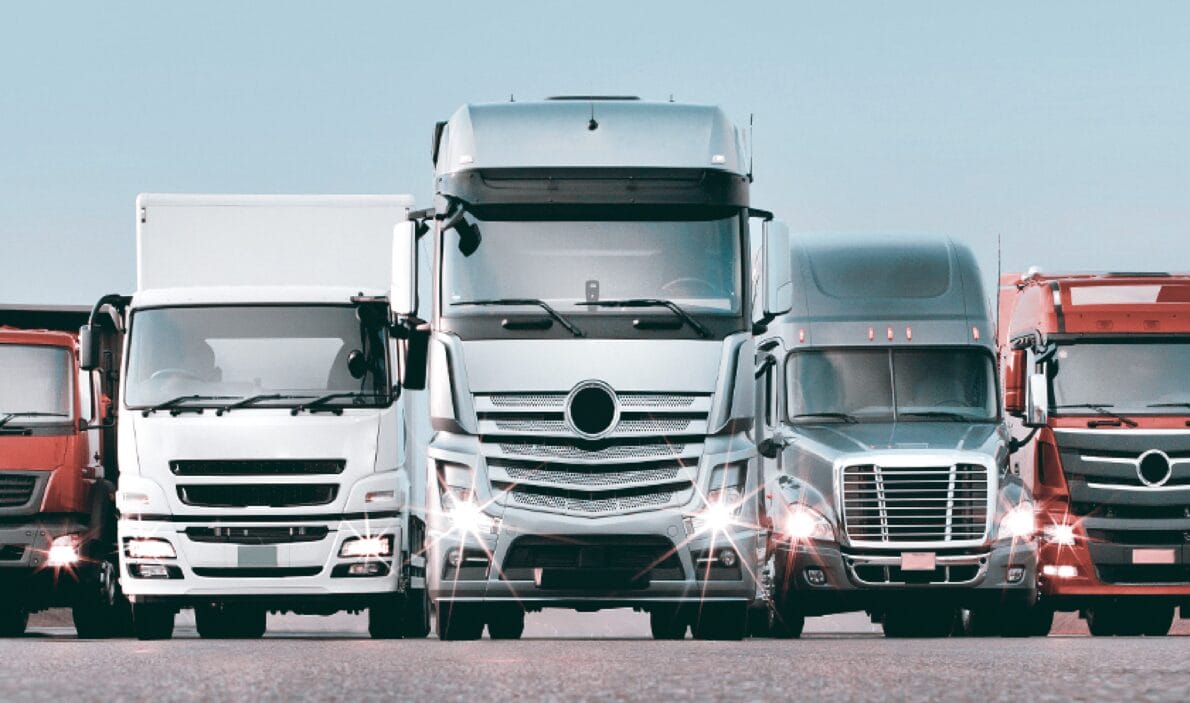
If you have traveled the roads of Brazil, you certainly noticed the vast number of trucks crossing the country. The Brazilian truck fleet is immense, but do you know who owns the largest fleet? Get ready to be surprised by the owners of the largest truck fleets in Brazil. Below is a top 5 of the largest fleets in the country, revealing the impressive number of trucks each of these giants owns, according to the video from the Fatos Rurais channel.
5th Place: JBS – A Fleet That Keeps Up With Its Global Growth
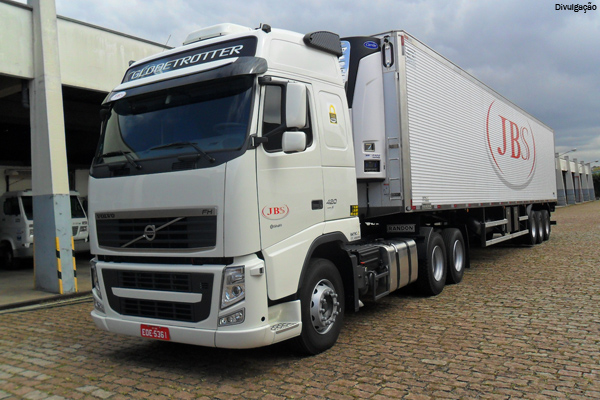
With nearly 70 years of history, JBS is one of the global leaders in the food industry, headquartered in São Paulo and present in over 20 countries. Although known for its food products, JBS maintains its own fleet to ensure the quality and safety in the transportation of its products. The company has 2,569 trucks and 1,420 road implements, used for transporting live animals, leather, dry cargo, and containers. Additionally, JBS created Nocarbon, a new company focused on renting electric trucks. Nocarbon starts its operations with a fleet of 31 electric trucks and plans to expand even further.
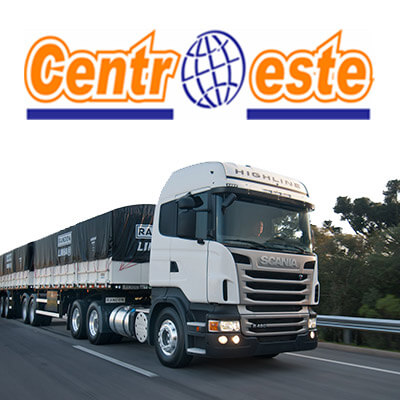
4th Place: Centro-Oeste Logística – The Major Beverage Distributor
Part of the Petrópolis Group, Centro-Oeste Logística, founded in Boituva, São Paulo, is responsible for distributing beers and energy drinks throughout Brazil. With a fleet of 2,615 trucks and 280 implements, the company stands out as the fourth largest carrier in the country, supporting the logistics of brands such as Itaipava and TNT.
-
End of an era in Brazil: beloved sedan by Brazilians is discontinued despite having a 2.0 engine with 151 hp, CVT transmission, 466-liter trunk, and up to 650 km of range.

-
New Law Proposal in Brazil Could Heavily Penalize Drivers: Dangerous Overtaking May Become a Serious Offense with Fines Increased Tenfold and a 12-Month License Suspension; Update on 2026 Progress

-
Electric Revolution: Watts W125 Motorcycle Offers 160 km Range, 90 km/h Speed, and Affordable Price Starting at $3,000
-
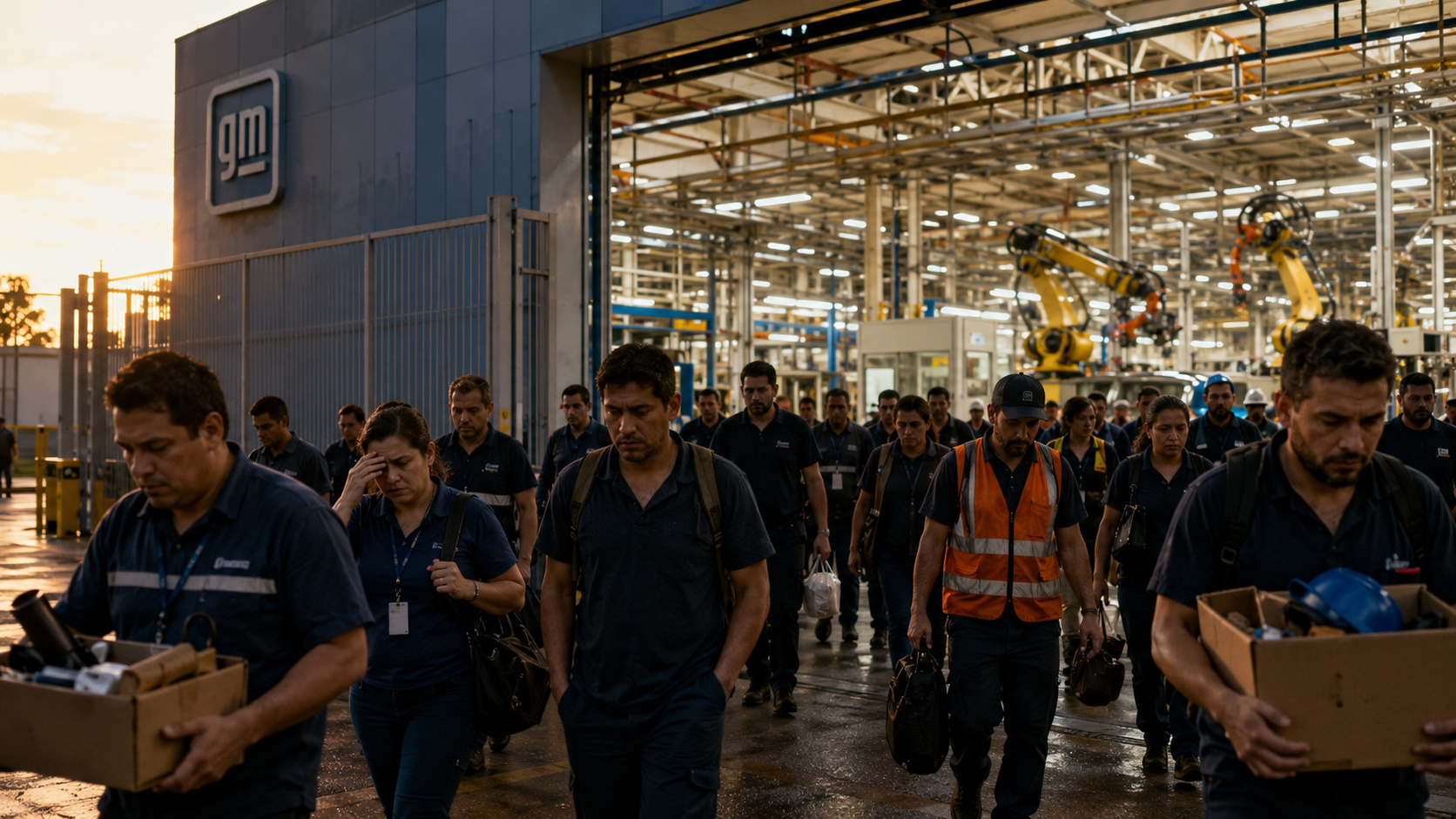
General Motors Replaces Over a Thousand Workers with 50 Cobots at Electric Vehicle Plant, UAW Union Criticizes Move Amid Industry’s Automation Push


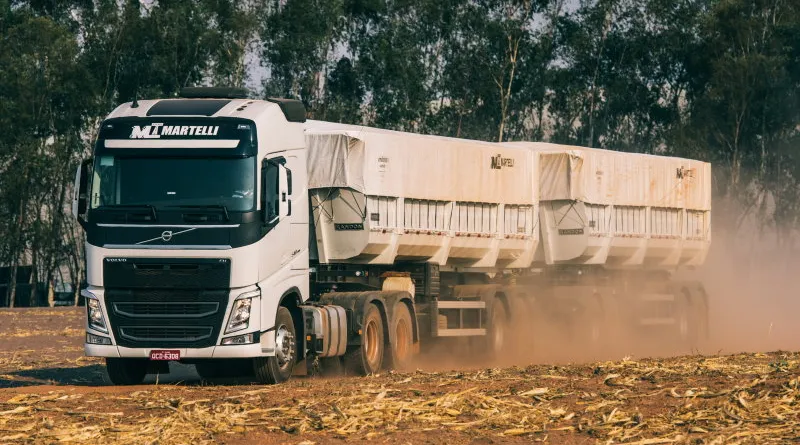
3rd Place: Martelli Transportes – The Specialist in Grain Transport
Martelli Transportes, founded in Jaciara, Mato Grosso, by businessman Luiz Martelli, is one of the largest carriers operating on the roads of Brazil with 3,500 trucks and 2,500 implements. The company specializes in transporting grains, such as soy and corn, operating extensive routes that stretch from the Center-North of Mato Grosso to the railway terminal in Rondonópolis and the port of Miritituba in Pará. Martelli is known for facing the harsh conditions of BR-163 and ensuring efficient transportation to major markets.
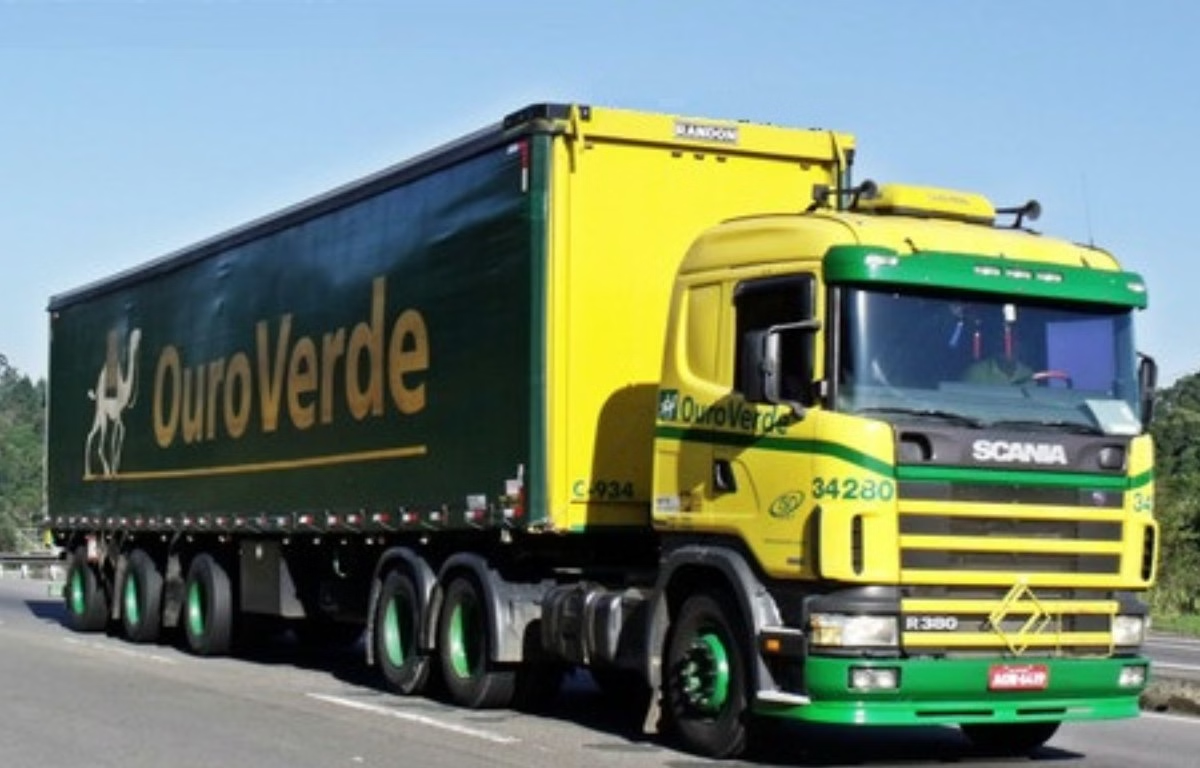
2nd Place: Ouro Verde – Specialist in Fleet Rental and Management
Founded in 1973 in Ponta Grossa, Paraná, Ouro Verde is one of the leaders in the fleet rental and management market on the roads in Brazil and Argentina. With 3,597 trucks and 2,346 implements, Ouro Verde offers integrated management services, including technological solutions and fleet maintenance. Recently, the company announced the acquisition of 100 electric trucks, with an investment of 100 million reais, as part of its electrification strategy.
1st Place: JSL – The Giant of the Roads
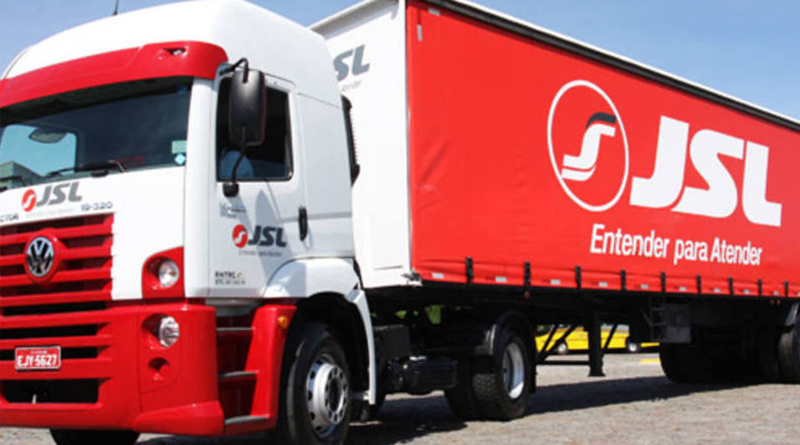
The title of the largest truck fleet on the roads of Brazil belongs to JSL. With an impressive 6,490 trucks and 4,368 implements, JSL is the largest logistics operator in the country. Founded in the 1950s by Júlio Simões, a Portuguese immigrant, JSL started with a single truck and quickly expanded. Today, the company has 210 branches in 21 Brazilian states, along with operations in Argentina, Uruguay, and Chile. With a history of rapid growth and diversification, JSL is a success story in the logistics sector.