Portuguese
  Spanish


Proposed by Deputy Luciene Cavalcante Seeks to Hold Managers Accountable Who Ignore Law 11.738/2008, Amid More Than 700 Complaints Nationwide
The non-compliance with the minimum salary for basic education teachers could be framed as administrative improbity, if Bill 961/2023 currently under review at the Chamber of Deputies is approved.
The initiative arises in the context of widespread non-compliance with Law 11.738/2008, which sets the minimum amount of R$ 4,867.77 for a 40-hour workweek.
The topic was discussed in a public hearing of the Education Commission, held on Tuesday (9), with participation from representatives of the Ministry of Education, the Federal Public Ministry, and educational entities.
-
Court Upholds Just Cause Dismissal of Employee for Posting Social Media Videos During Work Hours

-
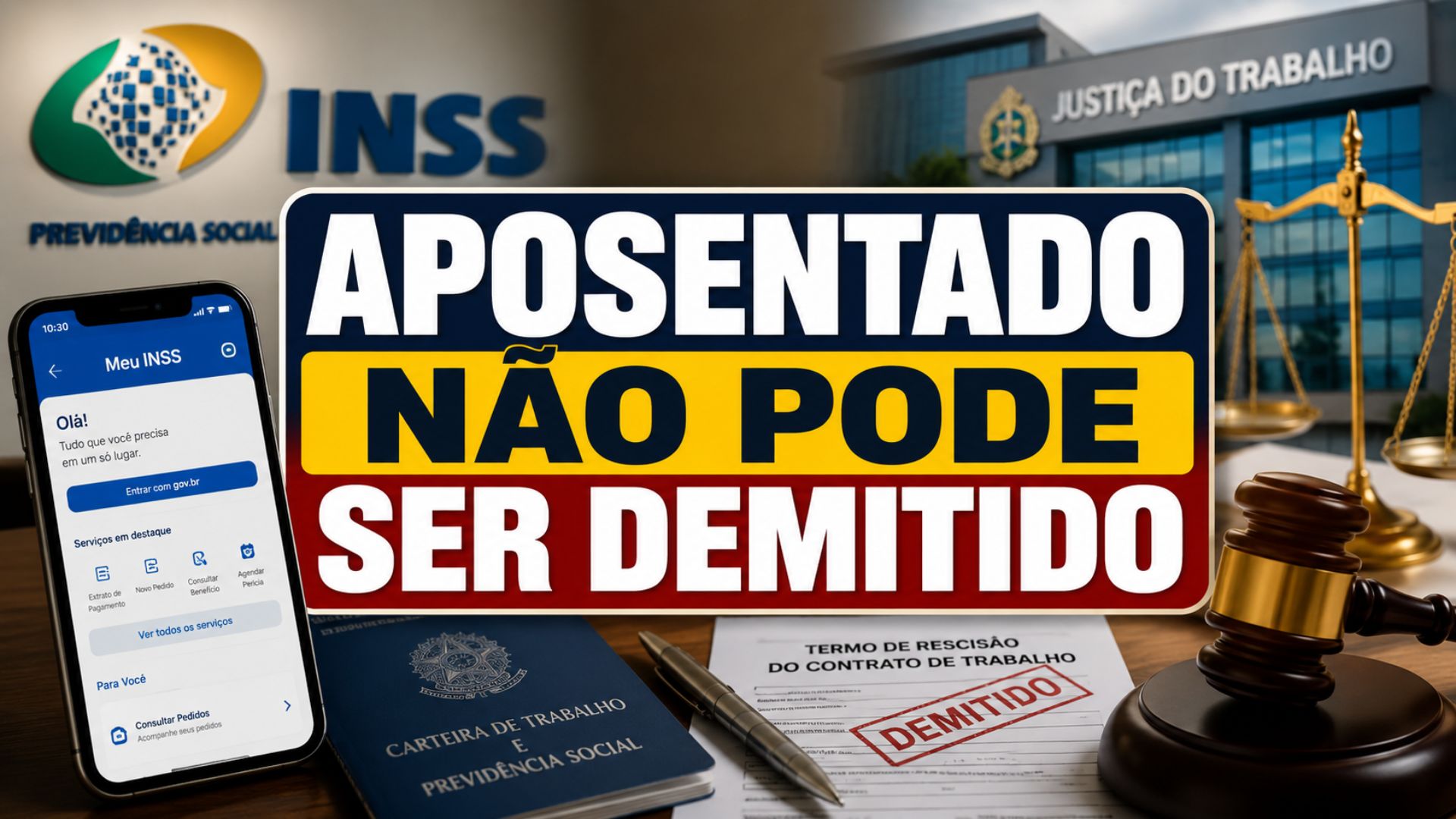
Dismissing a retired worker or one eligible for retirement constitutes ageism and creates a duty to compensate: a unanimous decision by the TRT mandates reinstatement to employment, payment of back wages, and upholds compensation of R$ 15,000 for discrimination.

-
Work less and produce more? Nobel Prize in Economics explains why shorter workdays can increase productivity

-
Unions are growing again in Brazil after more than a decade, but they face an urgent challenge to win back digital workers and maintain relevance.



The meeting addressed the need for accountability mechanisms for municipal and state managers who do not comply with the legislation.
Lack of Official Data on Non-Compliance
There is no official data on the number of municipalities that fail to implement the minimum salary, but more than 700 complaints have already been registered across the country, according to informal monitoring by a legislative observatory.
Reports indicate that various education professionals continue to receive amounts lower than those established by law.
The author of the bill, Deputy Luciene Cavalcante (PSOL-SP), argues that classifying the failure to comply with the minimum salary for teachers as improbity is essential to ensure the appreciation of the teaching profession.
Under the proposal, penalties may include fines, suspension of political rights, and a ban on contracting with the public power for up to four years.
Processing and Expected Impact
The bill was approved by the Education Commission and awaits analysis by the Constitution and Justice Commission (CCJ). If it advances, it could go to the Senate without passing through the Chamber’s Plenary, according to the commission’s procedure.
The expectation is that the measure will enhance oversight and pressure managers to respect the minimum salary, considered one of the pillars for improving the quality of public education.
Currently, about 85% of children and adolescents in the country attend public schools, reinforcing the centrality of complying with salary legislation to ensure adequate working conditions for teachers.