






 Portuguese
  Spanish
 3 min of reading


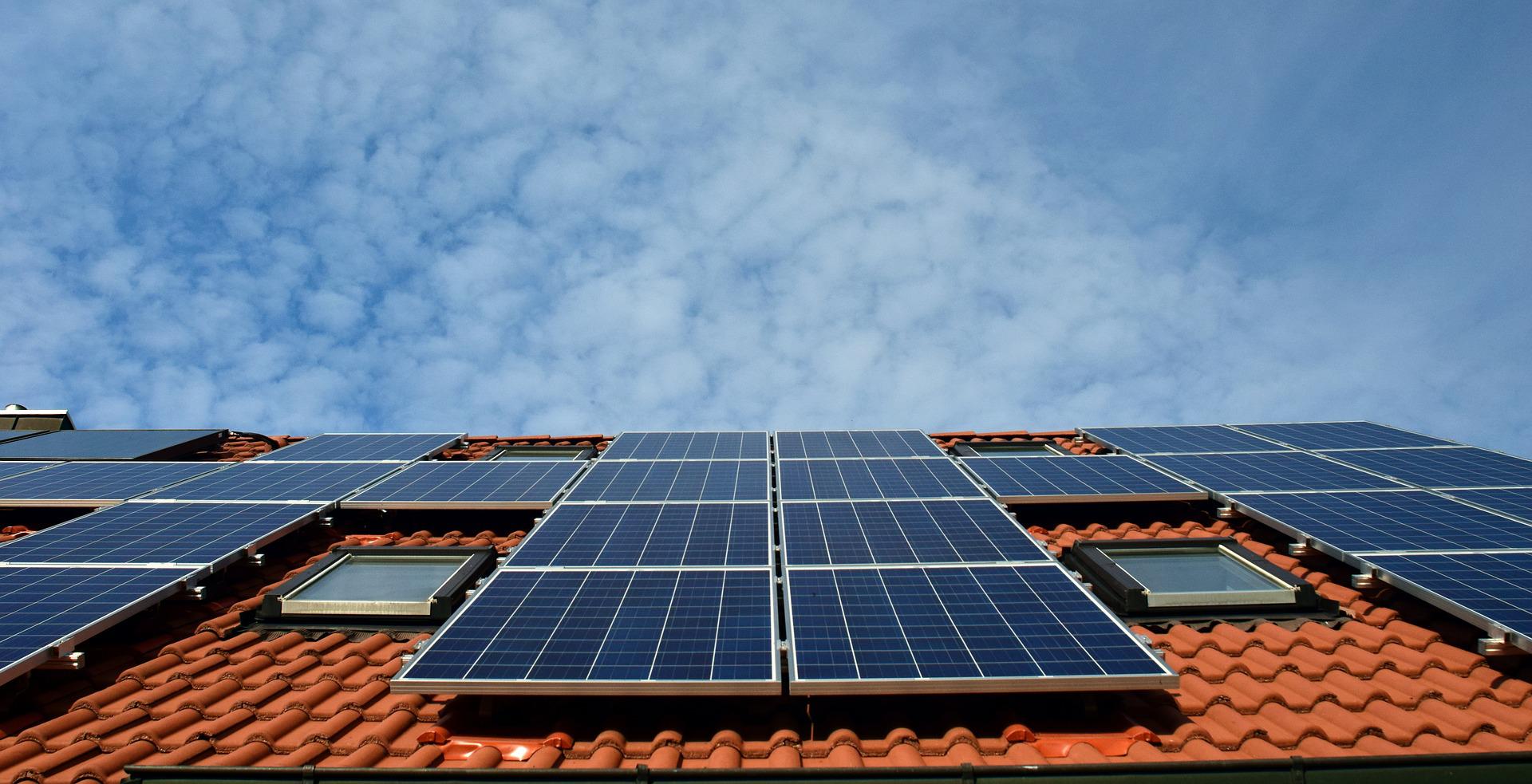
The Course for Photovoltaic Systems Installers Will Last 20 Hours and Will Be Fully In-Person in Mossoró, Rio Grande do Norte (RN).
The companies JA2 and CWSE BRASIL received support from the city hall of Mossoró, in Rio Grande do Norte (RN), for the creation of a completely free course aimed at photovoltaic systems installers, that is, for those who wish to start working with solar energy. In short, there are 120 vacancies that will open for registration between 08/22 and 09/19/2022.
Those interested in applying for the free in-person course in the city of Mossoró must submit their documents to the CTA of CWSE BRASIL COMPANY in Mossoró at Avenida Francisco Mota 55 – Rincão. To be approved for the program, it is important that applicants have already graduated from high school and attend the indicated location with a photocopy of their diploma along with copies of documents with photos.
Benefits Offered by the Free Photovoltaic Systems Installer Course
Among the benefits offered to those selected to be part of the photovoltaic systems installation course, we can mention:
-
Surprising opportunity in the railway sector: MRS offers a free course for assistant train driver and shunter in Juiz de Fora with a R$ 1,600 scholarship, specialized training, and the chance to join one of the largest railway operators in Brazil.

-
It’s official: IFMS opens spots in free courses on artificial intelligence, drones, and app creation, expanding technological education in 2026 and preparing students for areas with high professional demand and accelerated digital transformation.
-
Senai launches an unprecedented program with Petrobras and opens 2,000 spots in free courses with recognized certification, a monthly allowance of R$ 600, and training for industrial professions that continue hiring across the country.

-
Petrobras and SENAI open 480 spots in free technical courses with a scholarship of up to R$ 858, meal allowance, and training in Mechanics, Welding, Metallurgy, and Industrial Automation to meet the growing demand of the industry and the oil and gas sector.


- Completely free, so there is no need to pay anything to access the training.
- The certificate is free, unlike some institutions that require a small fee to issue the completion certificate.
- Access to coffee breaks, which occur whenever there are in-person meetings.
- The teaching materials such as books and printouts are provided free of charge for the 120 students.
- Access to job incentives, where the institution will send the resumes of unemployed professionals who take the course to companies in the region.
- T-shirt about solar energy.
When Do Classes Start?
According to the announcement by the CEO of the CWSE BRASIL, which sponsors the free classes and courses, classes are expected to start in the morning and afternoon sessions beginning on September 26, 2022. To participate, one must be over 18 years old.

For the morning classes, the lessons are scheduled to start from around 7:30 AM to 11:30 AM, while the afternoon classes are expected to begin from 1:30 PM to 5:30 PM. There are 20 hours of in-person classes at Avenida Francisco Mota, number 55. For more information, interested parties can also contact the phone numbers 84 996463781 or 84 21423565.
The Legal Framework Encourages Brazilians to Choose Solar Energy and Many Jobs Are Expected for Photovoltaic Panel Installers
The legal framework of GD is a law that states that all Brazilians who install energy by January 2023 will not need to pay ICMS taxes on everything they produce. In summary, according to specialist companies in the sector, this law is expected to encourage citizens concerned about the energy transition to install solar panels by the end of 2022, as a way to avoid tribulations, which may increase the number of job vacancies and demand for professionals who perform photovoltaic electrical installation.
Choosing solar energy is also a way to avoid the constant price increases from Aneel, which, this year, approved a project that foresaw an adjustment of at least 65% on the tax banners for the population, while the green flag was one of the only ones that did not see price adjustments in the application of fines. Despite the rise in traditional electricity costs, the inflation rate for June showed one of the largest declines since 1998, with data released this week by IBGE, the Brazilian Institute of Geography and Statistics.





Be the first to react!