Portuguese
  Spanish


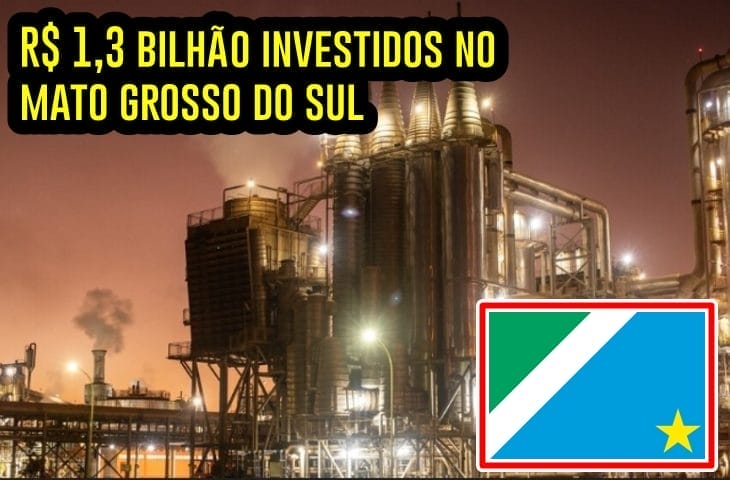

With an Investment of R$ 1.3 Billion, Mato Grosso do Sul Modernizes Ethanol Production, Boosting the Sugar-Energy Sector and Creating New Job and Income Opportunities for the State.
Mato Grosso do Sul advances in the bioenergy sector with a major investment of R$ 1.3 billion. This amount will be directed to the expansion and modernization of second-generation ethanol production at the Raízen plant, located in Caarapó, southern State.
The initiative aims to position the region as a reference in renewable energy, in addition to generating jobs and boosting local development.
The Expansion of Raízen and Second-Generation Ethanol in Mato Grosso do Sul
Part of the Cosan group, Raízen operates in the sugar-energy sector and is now betting on second-generation ethanol, a biofuel produced from the residues of the traditional ethanol process.
-
Stand-Up Paddle Outing Turns Dangerous as Man Steps on UK’s Only Venomous Snake, Ends Up Hospitalized with Severely Swollen Leg

-
Europe Sizzles: Intense Heatwave Disrupts Daily Life, Closes Schools, Strains Power Grids, and Raises Concerns Over Potential Deaths
-
Ohio Carpenter Finds 308-Gram Meteorite the Size of a Baseball After Dreaming of Its Location
-
Chinese Humanoid Robots Transition from Labs to Real Factories to Assemble Tablets: AgiBot Deploys G2 Machines at Longcheer, Aiming for 100 Robots in Electronics, Cars, Chips, and Energy by 2026


This technology allows for better utilization of raw materials, as it uses sugarcane bagasse, resulting in more sustainable production that is less dependent on new cultivation areas.
As announced, the project will increase production capacity by around 88 million liters of ethanol per year.
This expansion is strategic for the decarbonization of the production chain, reducing greenhouse gas emissions, aligned with global sustainability goals.
International Event Reaffirms the State Attractiveness
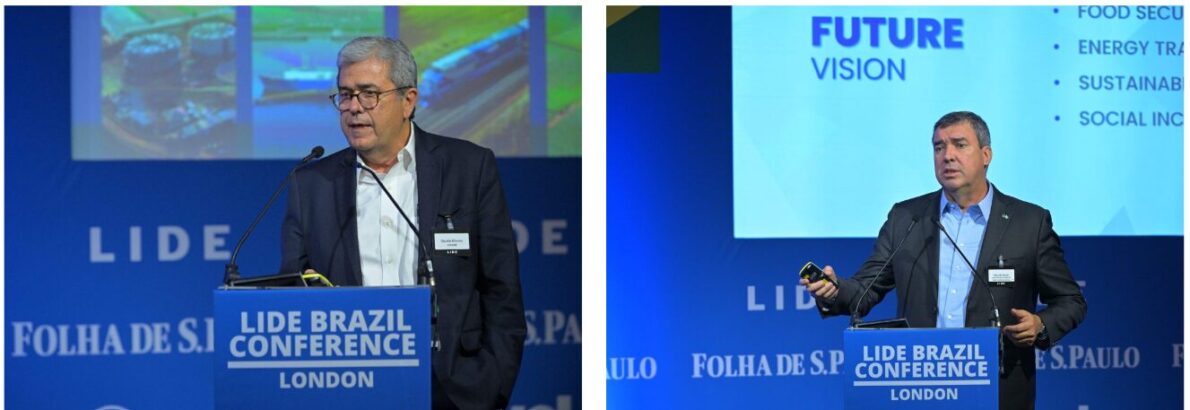
The investment announcement was made during the ‘Lide Brazil Conference’ in London, where Governor Eduardo Riedel presented investment opportunities in Mato Grosso do Sul.
Together with secretaries and representatives from the private sector, the governor highlighted the importance of second-generation ethanol for strengthening the energy sector.
Riedel emphasized the significance of this new plant for the local economy: “This project will increase the number of jobs, income for the State, income for people, and especially for the development of the municipality“, he stated.
The Potential of Second-Generation Ethanol
Second-generation ethanol (2G) represents a significant technological advance. Unlike regular ethanol, this fuel is obtained from materials that were previously discarded, such as sugarcane bagasse. This feature makes 2G ethanol a more sustainable alternative, as production can grow without the need to expand planting areas.
According to executive Claudio Oliveira, Vice President of Institutional Relations at Cosan, this type of investment demonstrates the company’s commitment to innovation and sustainability.
“We have a project for nine plants. We already have two in operation and four that are under construction. And we naturally have three more that will begin construction, one of which is in Mato Grosso do Sul”, he stated.
Modernization and Sustainability: The Benefits for the State
The expansion of Raízen in Mato Grosso do Sul is an important step towards a green economy. The production of second-generation ethanol contributes to a cleaner energy matrix, positively impacting both the environment and the economy.
Furthermore, by reusing agricultural waste, the State stands out as a national reference in bioenergy.