Portuguese
  Spanish


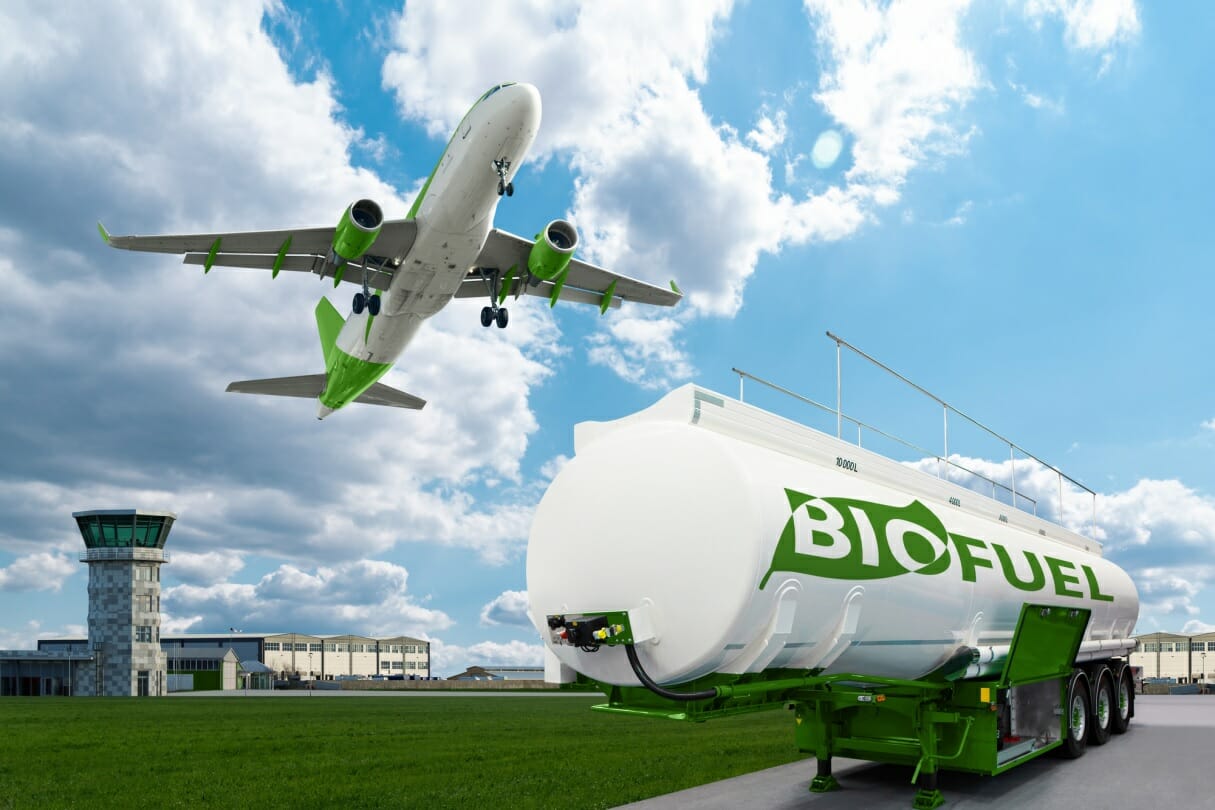

Raízen Stands Out in the Market by Achieving ISCC CORSIA Plus Certification. The Company Now Holds the Sustainability Guarantee for Its Ethanol Used in Sustainable Aviation Fuel Production.
Raízen became the first global producer to receive ISCC CORSIA Plus certification on Monday (08/21), validating its ethanol produced at the Costa Pinto bioenergy park in Piracicaba (SP). The product now has the guarantee that it meets international standards for Sustainable Aviation Fuel (SAF) production. This achievement reinforces the company’s leadership in promoting energy transition and sustainability, positioning it as an important catalyst in the search for low-carbon alternatives in the aviation industry.
Ethanol Produced by Raízen Receives ISCC CORSIA Plus Sustainability Certification
The Brazilian energy company Raízen reached a significant milestone by becoming the first global producer to receive ISCC CORSIA Plus certification for sustainable aviation fuel production from ethanol.
The certification validates the compliance of the ethanol produced at the Costa Pinto bioenergy park in Piracicaba (SP) with international SAF production requirements.
-
Brazilian scientists are simultaneously advancing two research projects on clean hydrogen and driving solutions that could transform the energy matrix, enhance industrial competitiveness, and accelerate large-scale emission reduction targets.

-
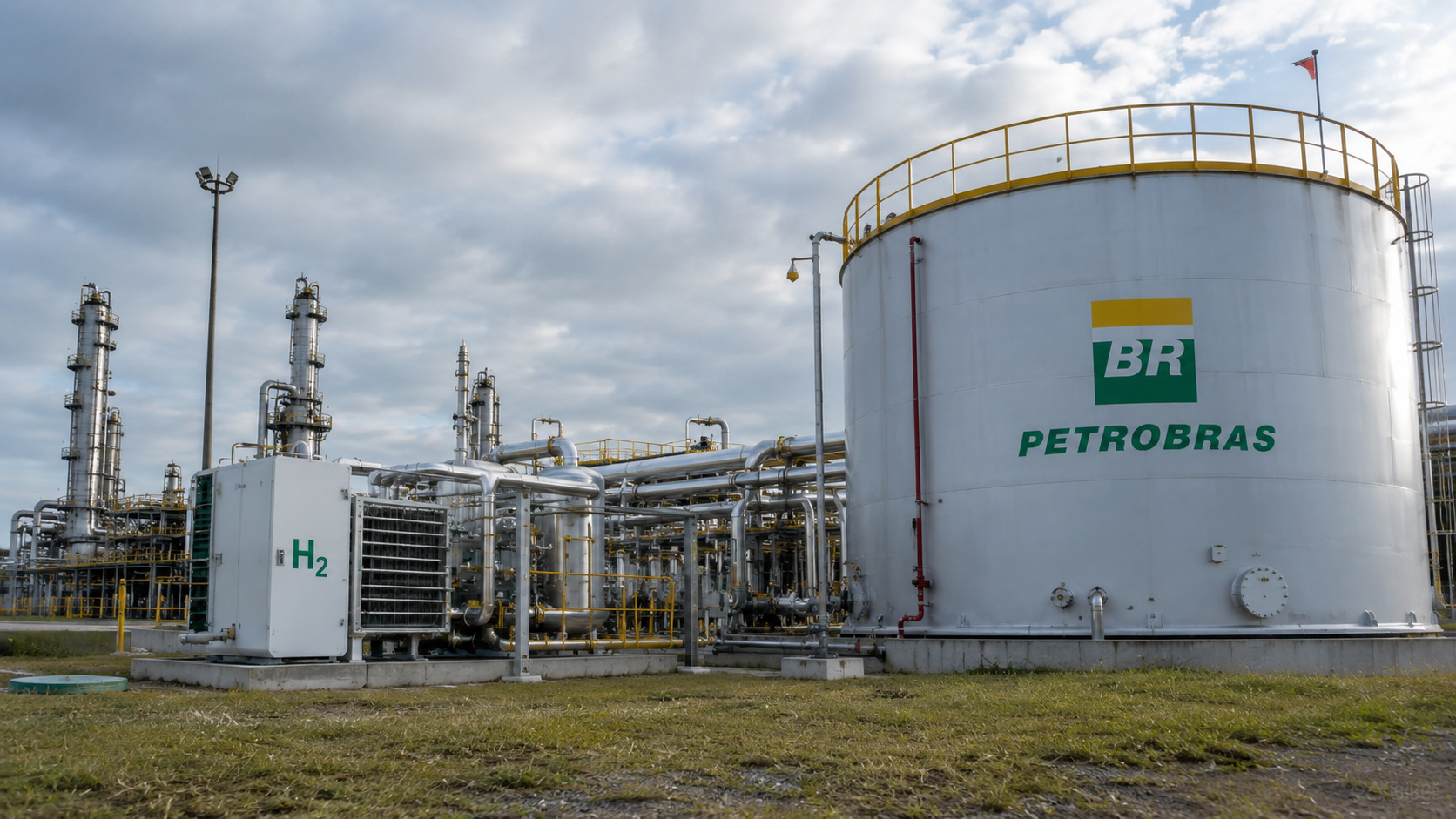
Advancement in renewable energy: A R$ 150 million project launched by Petrobras and Finep aims to create state-of-the-art electrolyzers for green hydrogen, strengthening national research and preparing Brazil to compete in a billion-dollar energy market.
-
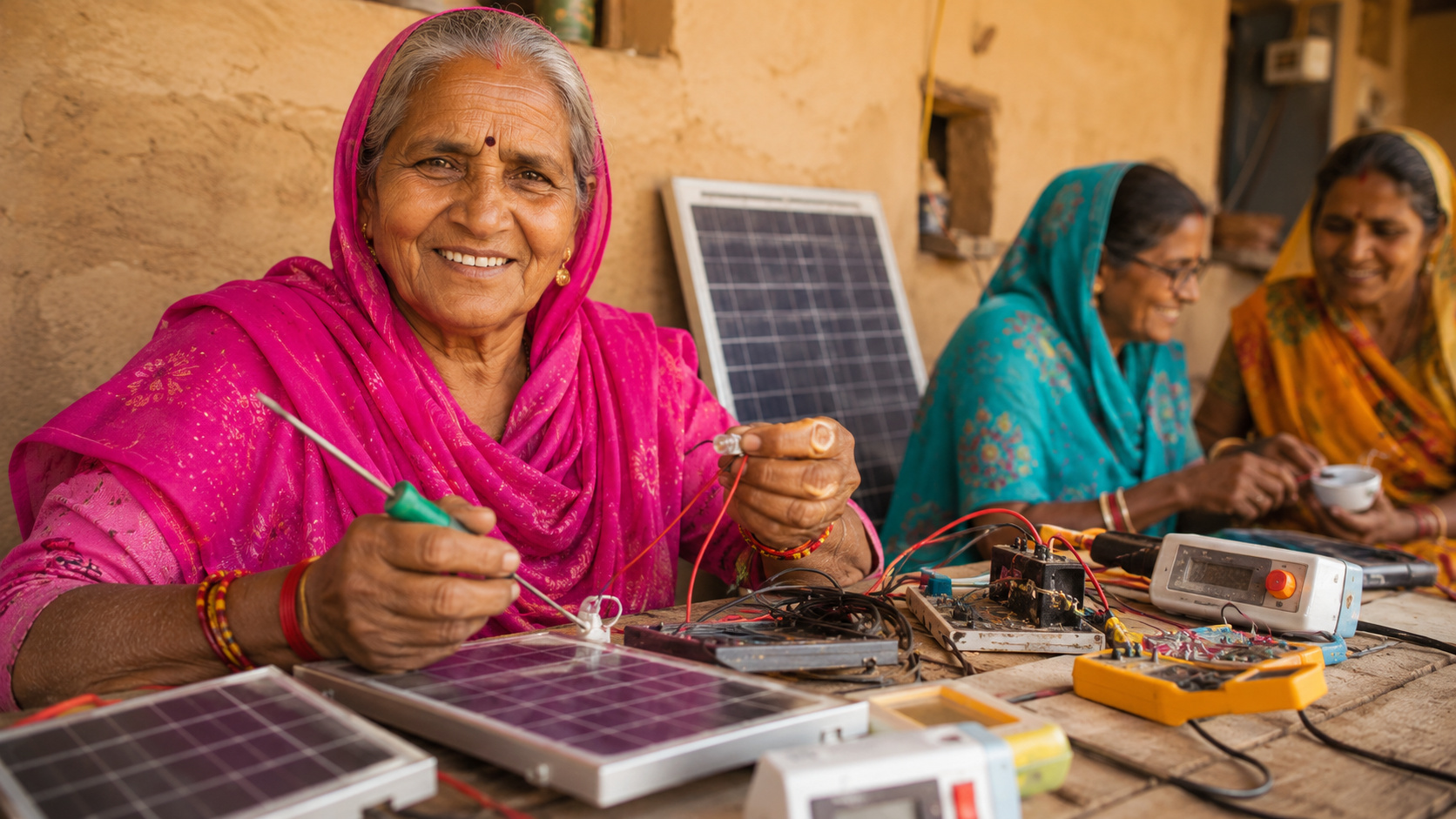
Illiterate or semi-literate grandmothers were trained to repair solar systems, open rural workshops, and light up homes that still depended on kerosene.
-
US$ 7 billion, green hydrogen, and steel with up to 95% less CO₂: the first green steel plant on the planet emerges in Sweden and targets Brazil as the next chapter



Granted by the Carbon Offsetting and Reduction Scheme for International Aviation (CORSIA), the certification reinforces Raízen’s commitment to contributing to the energy transition and decarbonization in the global market.
By receiving this pioneering certification, the company reinforces Brazil’s role as a leader in the production of advanced and sustainable biofuels.
Ethanol, produced from sugarcane, has become a crucial component in the search for cleaner and more sustainable fuel alternatives for aviation.
With productivity gains and investments in innovative processes, Raízen has achieved efficiency in ethanol production, reducing its carbon footprint and meeting rigorous international sustainability standards.
“The certification of our ethanol is proof that we are on the right path in contributing to the decarbonization of all sectors of the economy,” emphasized Francis Queen, Vice President of Ethanol, Sugar, and Bioenergy at Raízen.
He further emphasized that the sustainability certification for the company’s ethanol reflects Raízen’s efforts over the past years in the clean fuels sector.
Sustainable Aviation Fuel Becomes an Alternative to Reduce Emissions in the Sector
The use of sustainable aviation fuel presents significant potential in reducing greenhouse gas emissions in aviation.
Estimates from the International Air Transport Association (IATA) indicate that SAF can reduce emissions by up to 80% compared to fossil fuels.
ICAO has established ambitious emission reduction targets for aviation, making the use of SAF a fundamental strategy.
The demand for sustainable fuel is on the rise, with forecasts reaching about 20 million m³ by 2030.
In this scenario, Raízen’s certification and its ability to produce certified ethanol are a competitive advantage to drive the development of the global SAF market.
With a certified ethanol plant, the company is prepared to attract interest from markets that value sustainability in their operations.
Thus, the achievement of ISCC CORSIA Plus certification by Raízen highlights not only the company’s capacity to meet rigorous international sustainability criteria but also the importance of ethanol as an essential component in the production of the product.
Now, it positions itself as a leader in the energy transition and in offering sustainable solutions for aviation and other sectors challenging in terms of decarbonization in the current context.