Portuguese
  Spanish




Check Out The Updated Ranking Of The Cheapest Electric Cars In Brazil In 2025 And Discover The Models That Fit Your Budget.
The cheapest electric cars in Brazil in 2025 are increasingly attracting drivers’ attention. With more affordable prices, autonomy that meets urban use well, and advantages like lower maintenance costs, these models are starting to gain space on the streets.
According to Fenabrave (National Federation of Automotive Vehicle Distribution), from January to June 2025, 30,561 100% electric vehicles were registered, a number 2% lower than in the same period of 2024.
Despite the decline, interest remains strong, especially in compact models aimed at everyday use in cities.
-
Chery Offers Lifetime Battery Warranty and Car Replacement for Major Failures Under New Chinese Regulations

-
Nissan Discontinues Qashqai SUV Amid Cost-Cutting, Chinese Competition, and Product Line Review
-
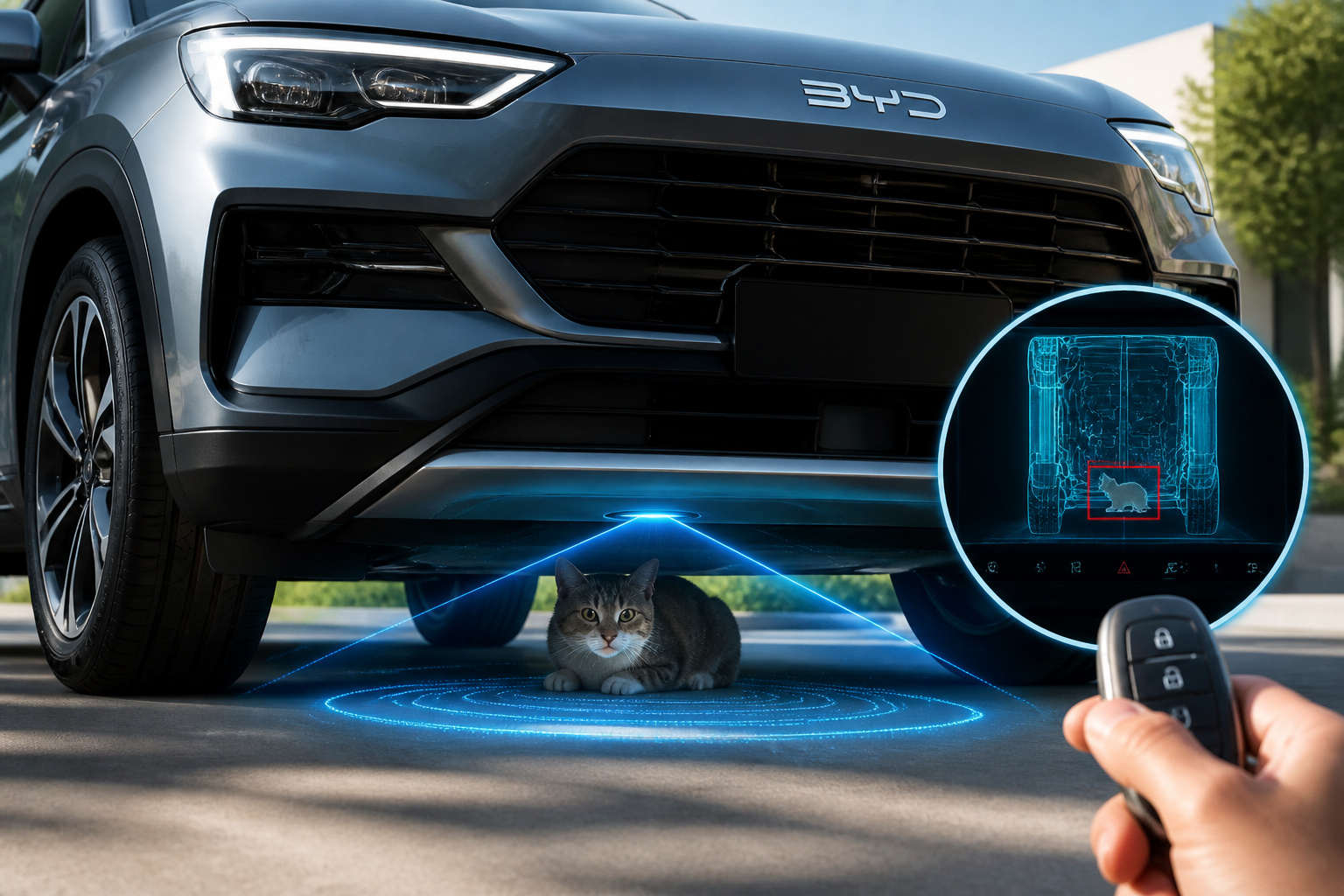
BYD Patents Revolutionary System Using Computer Vision to Detect Animals Under Cars Before Starting, Preventing Tragedies

-
BMW Completes $1.7 Billion Investment in the U.S. for Electric Vehicle Production, Positions South Carolina for New Generation as Rivals Reassess EV Race

Next, check out the updated ranking of the 5 cheapest electric cars in Brazil in 2025.
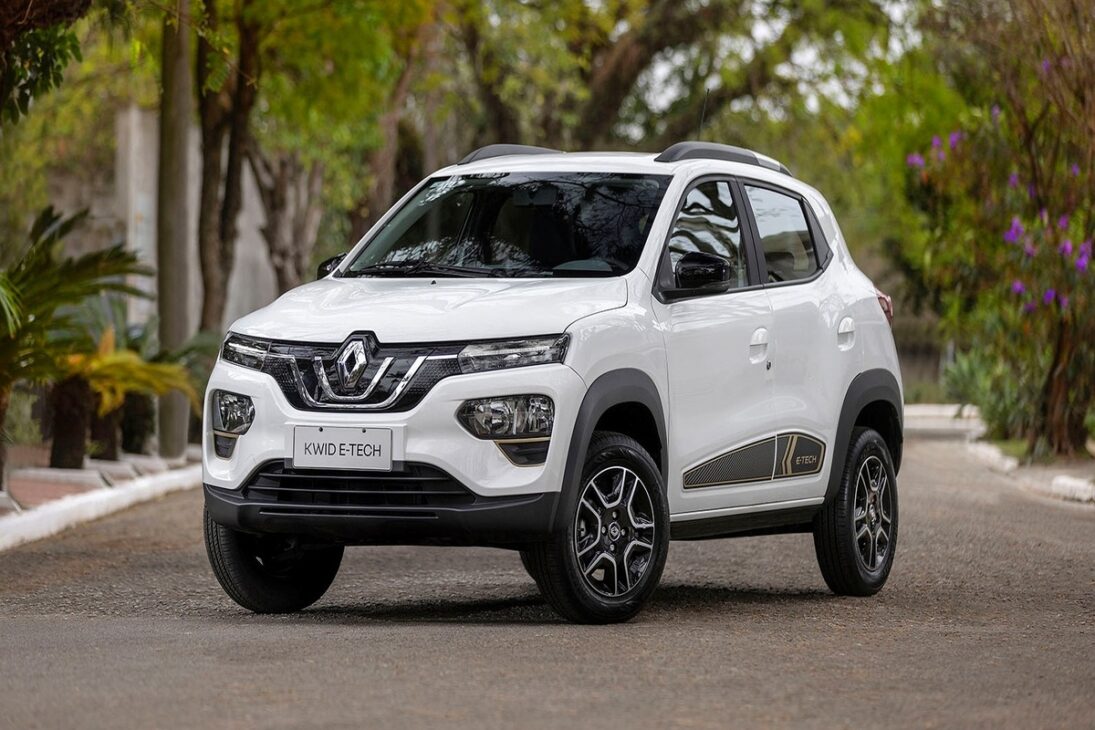
1st Place: Renault Kwid E-Tech — R$ 99,990
The standout is the Renault Kwid E-Tech, which remains the cheapest electric car in the country, costing R$ 99,990. It is the only model under R$ 100,000 in the Brazilian market.
Engine: 65 hp;
Range: up to 185 km;
Battery: 27 kWh;
Trunk: 290 liters.
With compact dimensions, it is ideal for urban use. Additionally, in states like São Paulo, the electric Kwid has benefits such as IPVA exemption and exemption from traffic restrictions.
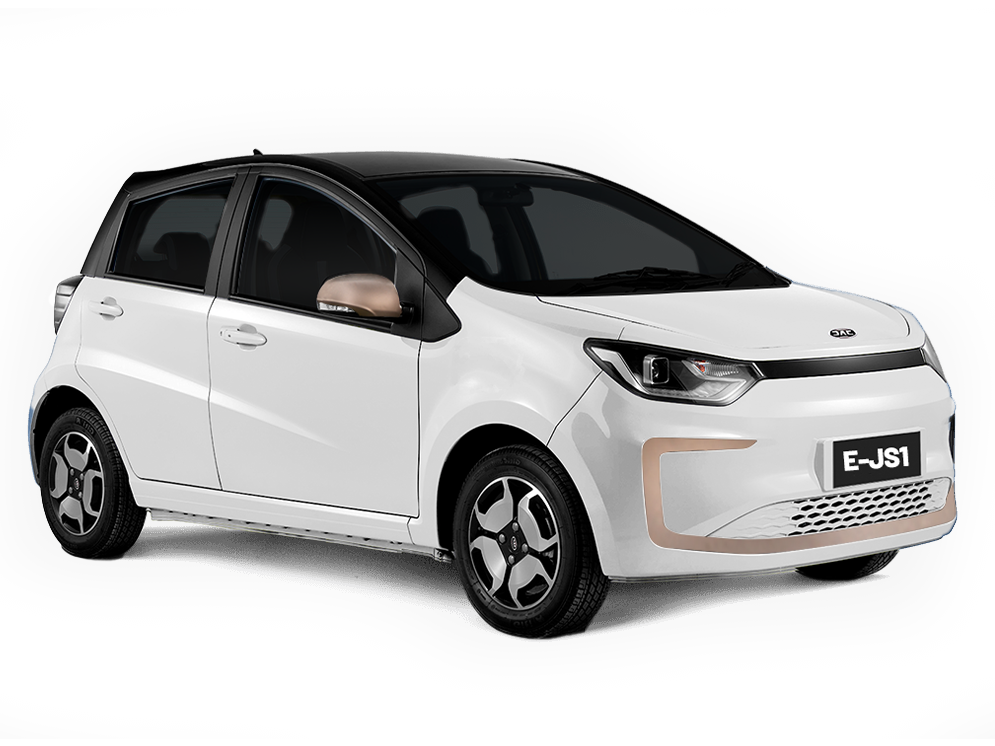
2nd Place: JAC E-JS1 — R$ 119,900
In second place is the JAC E-JS1, sold for R$ 119,900.
Engine: 62 hp;
Range: up to 161 km;
Battery: 30 kWh;
Length: 3.65 m.
Despite the lower range compared to rivals, it is a practical option for urban trips. Its competitive price and subcompact size make it an attractive alternative for those seeking economy.
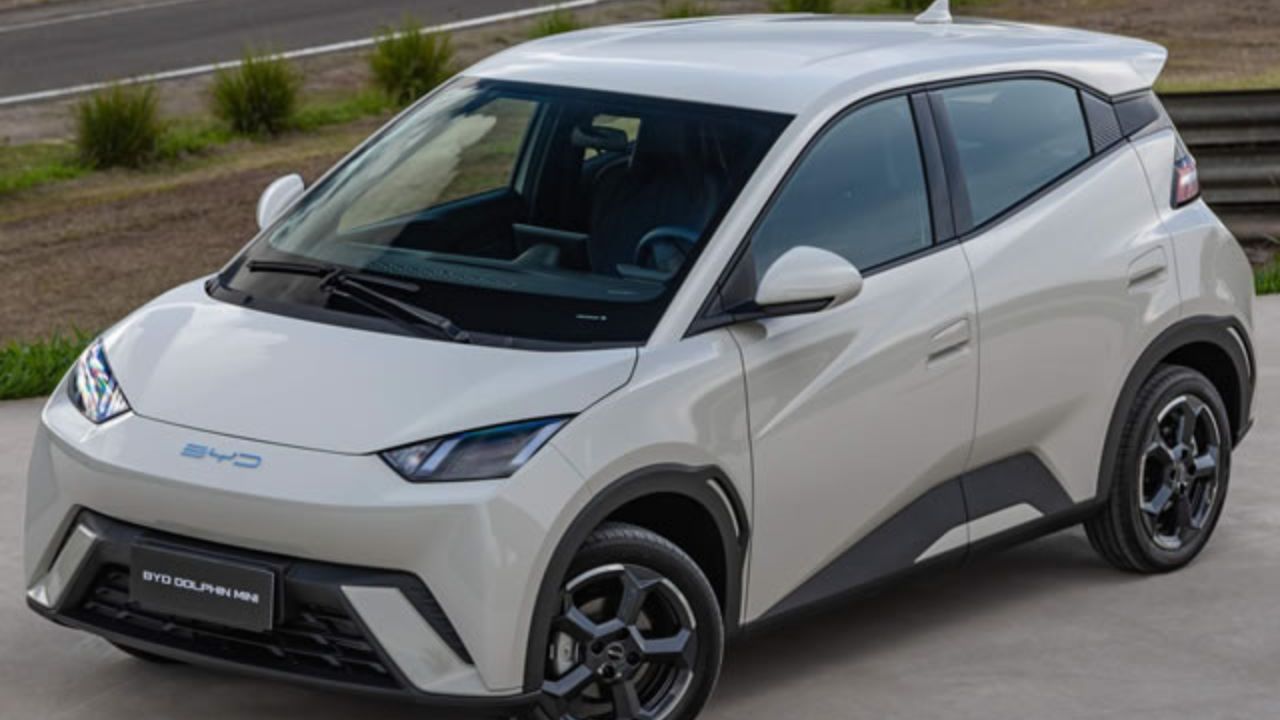
3rd Place: BYD Dolphin Mini — R$ 119,990
The BYD Dolphin Mini occupies the third place in the ranking of the cheapest electric cars in 2025. In addition to being affordable, it is the best-selling in the country, with over 16,000 units sold in 2025.
Engine: 75 hp;
Range: up to 340 km;
Battery: 38 kWh;
Trunk: 230 liters.
Compact and technological, it is one of the favorites of urban audiences, combining cost-effectiveness and modern design.
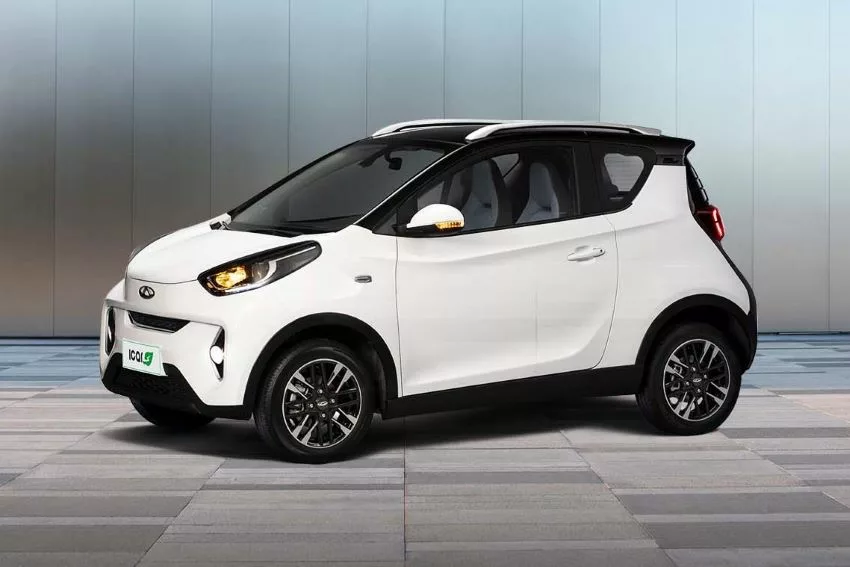
4th Place: Caoa Chery iCar — R$ 119,990
The Caoa Chery iCar also costs R$ 119,990 and bets on technology and smart solutions.
Engine: 61 hp;
Range: up to 282 km;
Battery: 30.4 kWh;
Trunk: 100 to 380 liters (with folded seats).
At just 3.20 meters long, it is a compact car, but offers features such as fast charging in 36 minutes and a 10.25-inch multimedia center.
5th Place: BYD Dolphin — R$ 149,990
Closing the ranking, the BYD Dolphin costs R$ 149,990 and is the most spacious on the list.
Engine: 95 hp;
Range: up to 400 km;
Battery: 44.9 kWh;
Trunk: 344 liters.
With good performance, it goes from 0 to 100 km/h in 10.9 seconds and reaches a top speed of 160 km/h. It is a balanced option for those who need space without sacrificing efficiency.
/i.s3.glbimg.com/v1/AUTH_cf9d035bf26b4646b105bd958f32089d/internal_photos/bs/2023/i/u/Y6RhJBSZu5wBqzisBngw/link-1-.jpg)
Cheapest Electric Cars In 2025: Is It Worth It?
The data shows that, despite the decline in registrations, the cheapest electric cars in Brazil continue to attract drivers looking for economy and sustainability. Among the advantages are:
Low Maintenance, as they have fewer parts than combustion cars;
Zero Pollutant Emissions, reinforcing sustainable mobility;
Superior Energy Efficiency, with up to 90% energy utilization;
Tax Exemptions in some states, making the purchase even more advantageous.
However, the choice between electric or hybrid depends on the driver’s profile. Those who only drive in urban areas benefit more from electric vehicles, while those who travel frequently may prefer a hybrid.