Portuguese
  Spanish


With 83.1 Million Tons Processed, State Establishes Itself as the Second Largest Producer of Sugarcane and Foresees Strategic Adjustments for 2025/2026
On May 13, 2025, Siamig (Minas Gerais Sugar-Energy Industries Association) presented the results of the 2024/2025 harvest. According to the entity, Minas Gerais processed 83.1 million tons of sugarcane, marking a record volume since the beginning of the historical series. This performance positions the state as the second largest national producer, behind only São Paulo. Despite the prolonged drought and the wildfires between September and December 2024, the industry maintained productive stability through technology and planning.
Sugar Production Shows Modest Growth Amid Challenges
According to technical data from Siamig, sugar production reached 5.6 million tons, an increase of 3.2% compared to the previous harvest. Mills allocated more than 50% of the crushed cane to sugar production, maintaining sector consistency even under unfavorable weather conditions. In March 2025, Emater-MG officially recorded the end of the harvest, indicating stable productivity in most producing regions.
Hydrated Ethanol Shows Advancement, While Anhydrous Declines
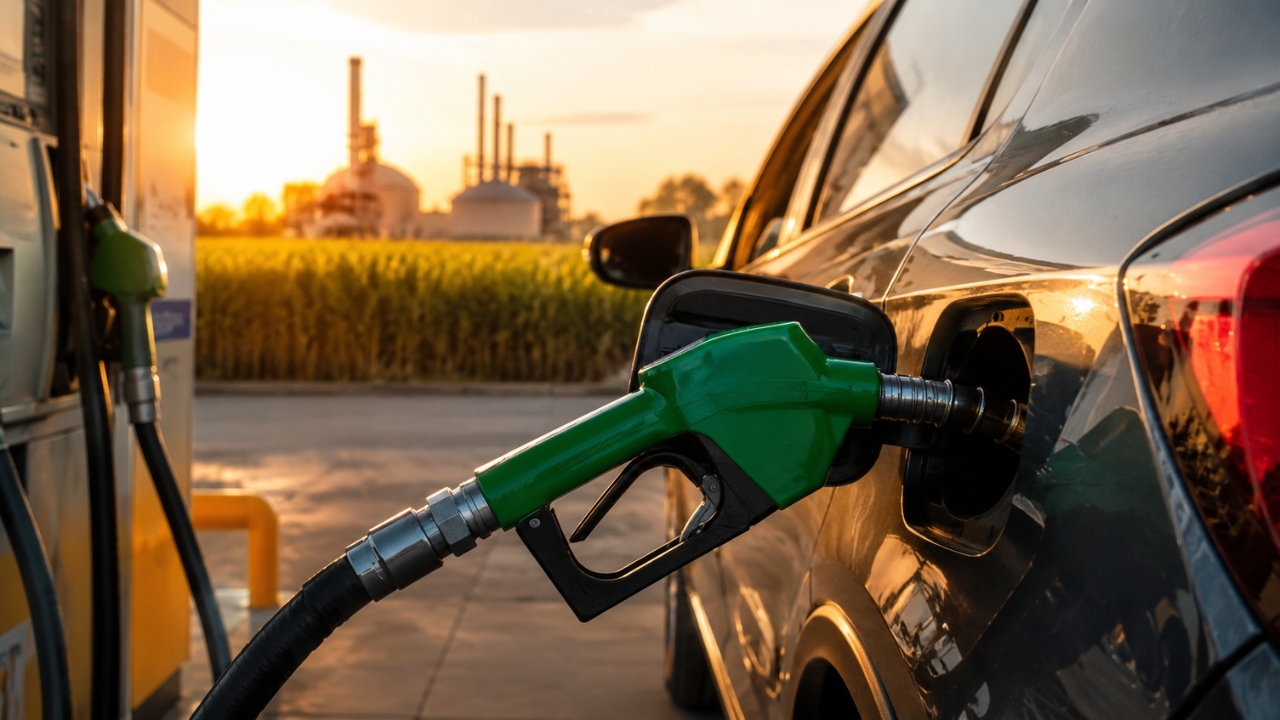
The total ethanol production was 3.4 million cubic meters, according to Siamig. Of this total, 2.2 million cubic meters corresponded to hydrated ethanol, which grew by 13.9% compared to the previous cycle. In contrast, anhydrous ethanol experienced a contraction of 9.3%, reaching 1.2 million cubic meters. The recovery of hydrated ethanol partially compensated for the decline of anhydrous, reflecting changes in domestic market demand.
-
Brazil on Track for Record 40.7 Billion Liters of Ethanol in 2026/27 Season, Driven by Corn Ethanol
-
Petrobras Approves $1.2 Billion Refinery in Brazil to Produce Aviation Fuel and Diesel from Plants

-
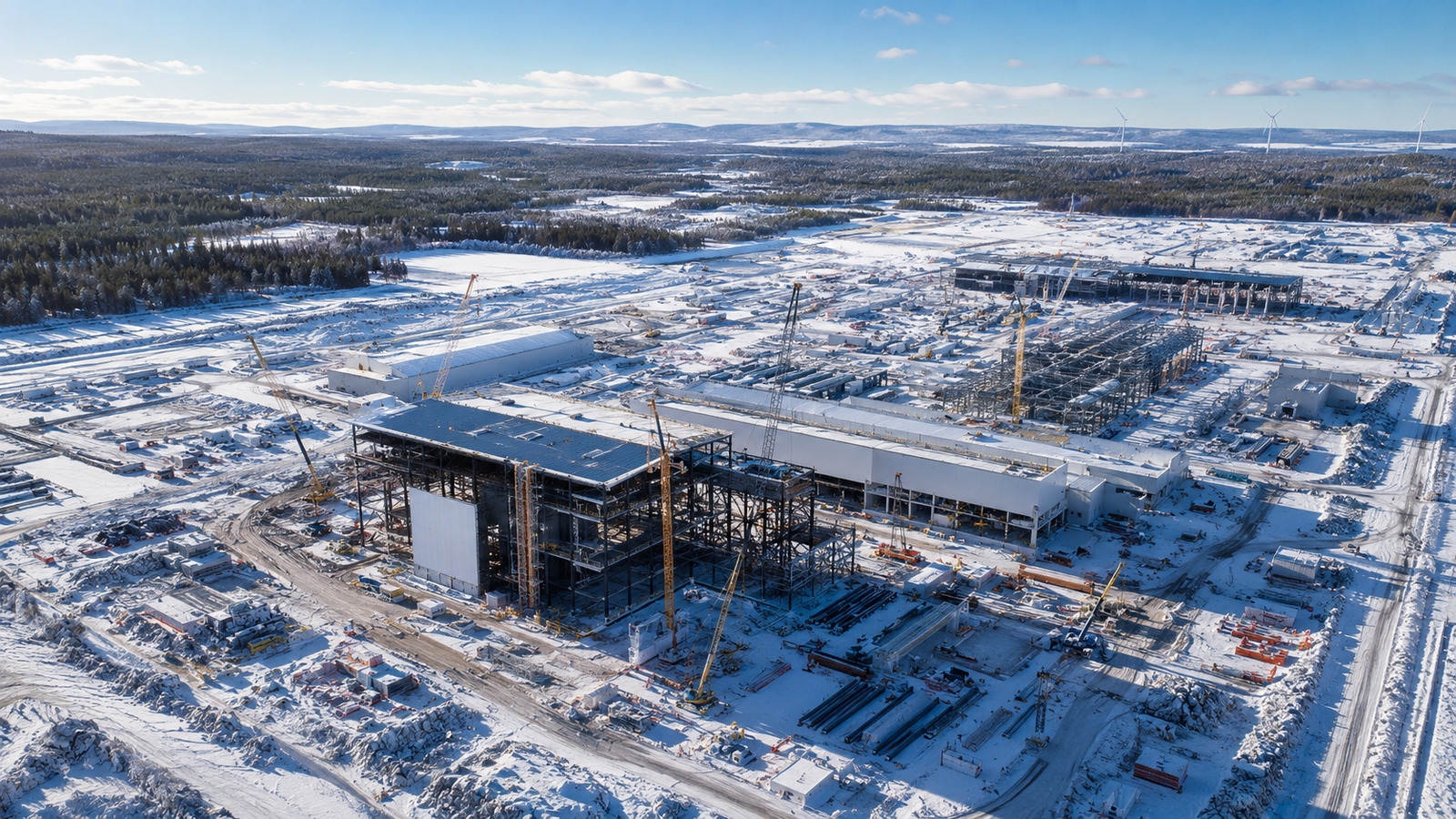
US$ 7 billion, green hydrogen, and steel with up to 95% less CO₂: the first green steel plant on the planet emerges in Sweden and targets Brazil as the next chapter

-
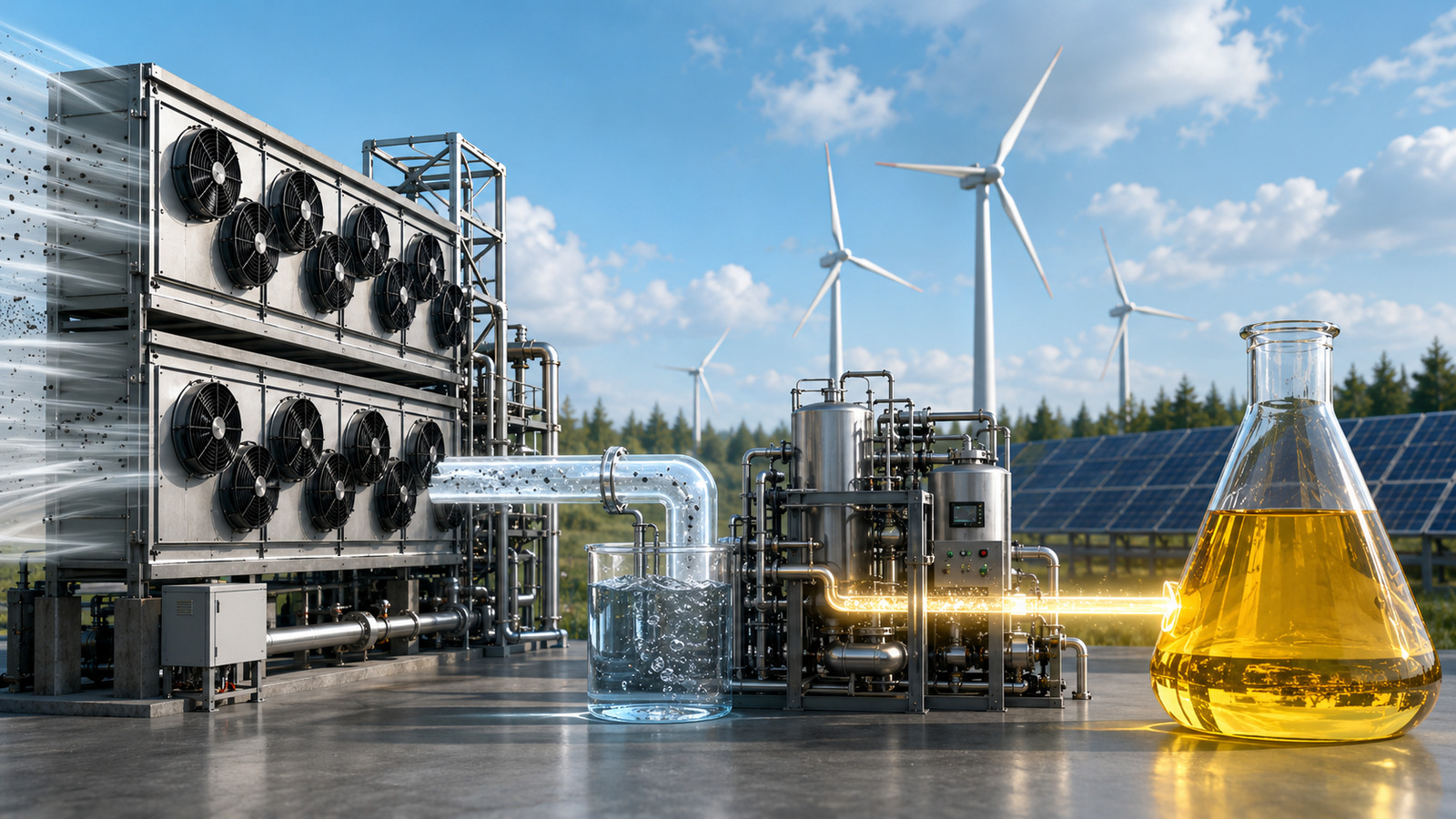
Swedes manage to create synthetic fuel with CO₂, water, and renewable energy, compatible with current engines, but face a huge problem: the energy expenditure is still double the return.

Weather Conditions Required Industry Adaptation
Between September and December 2024, Minas faced over 100 days without significant rainfall, according to the National Institute of Meteorology (Inmet). Additionally, Civil Defense recorded incidents of fires in sugarcane regions. Despite this, the sector managed to adapt using localized irrigation, agricultural automation, and weather forecasting applied to harvesting. These measures minimized losses and avoided structural impacts on the harvest.
Projections for 2025/2026 Are Moderate and Technical
For the 2025/2026 harvest, Siamig estimates a processing of 77.2 million tons, a decrease of 7.1% compared to the previous cycle. According to the association, the impact will be due to the drought accumulated at the beginning of 2025. In contrast, the planted area is expected to grow by 9.8%, reaching 1.23 million hectares, according to Emater-MG estimates. This expansion suggests a trend of gradual recovery and continuity in sector investments.
Production Division Indicates Balance Between Sugar and Ethanol
Data for 2025/2026 indicate that 52.4% of the cane will be allocated to sugar, while 47.6% will be allocated to ethanol. The estimated production is 5.32 million tons of sugar and 3 billion liters of ethanol, maintaining levels similar to the previous harvest. Experts from the Sugarcane Industry Union (Unica) indicate that the mix strategy considers market volatility and the search for supply stability.
Minas Gerais Sugar-Energy Sector Boosts Jobs and Economy in Sugarcane Producing Regions
According to IBGE, the sugar-energy sector is present in 110 municipalities in Minas Gerais and has 28 active industrial units. Together, these hubs employ approximately 190,000 people directly and indirectly, positively impacting the local economy. The multiplier effect of the production chain also strengthens the logistics, maintenance, transport, and agricultural inputs segments.
Ethanol Remains a Clean Solution Generated by Sugarcane Processing in Minas Gerais
According to the National Agency of Petroleum (ANP), ethanol emits up to 90% less CO₂ than gasoline, reinforcing its role as a low environmental impact alternative. The expansion of biofuel usage is part of national decarbonization and energy security goals. In this context, Minas Gerais contributes with a diversified matrix, associating productivity with sustainability in a proven way.