






 Portuguese
  Spanish


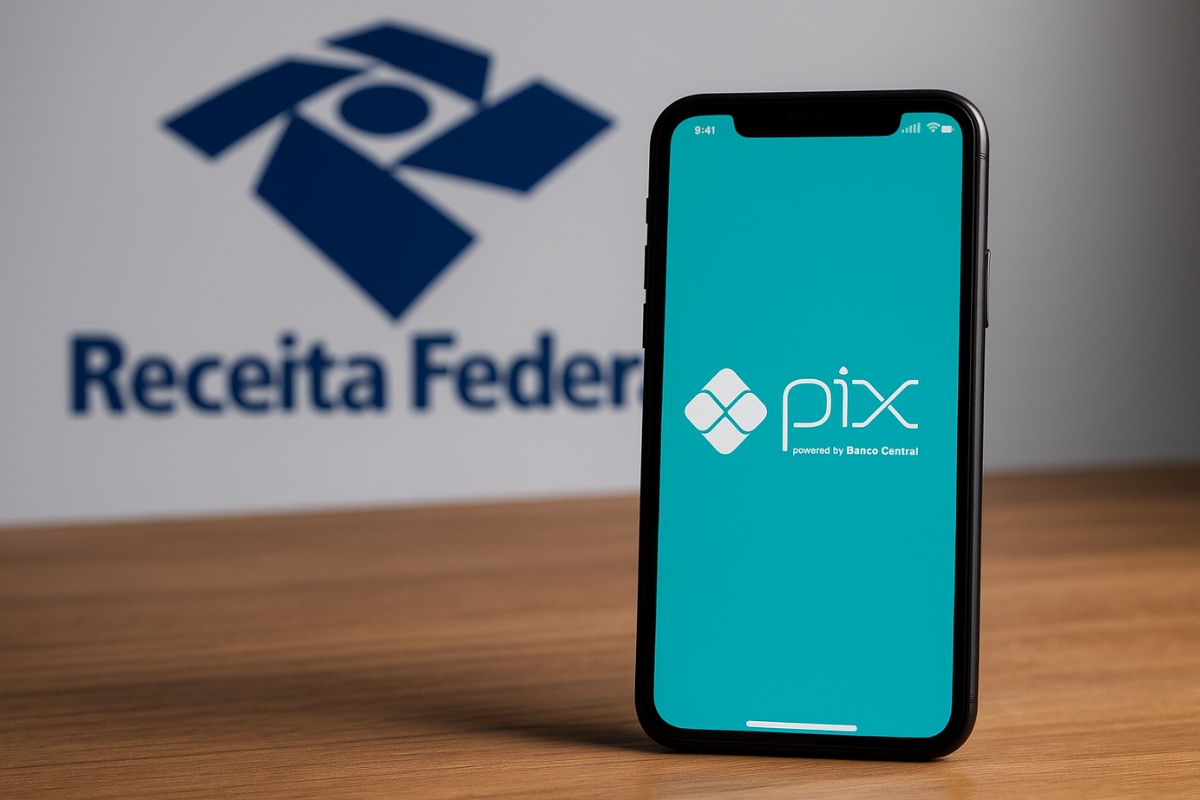


The Federal Revenue Service Denied Rumors Claiming to Monitor Pix, Reinforcing That Bank Secrecy Remains Protected by Law. The Agency Warns About Scams Using Fake News to Steal User Data
The Federal Revenue Service has once again alerted the public this week about the circulation of false messages on social media claiming that the agency would be monitoring all transactions made via Pix. According to the official statement, there is no system for automatic surveillance nor the sharing of banking information between financial institutions and the Revenue Service without a court order.
The note emphasizes that the false content uses the name of the Federal Revenue Service to spread fear and misinformation. In some cases, the messages come with forged screenshots of news portals, simulating a supposed direct control over amounts sent and received via Pix.
Revenue Reinforces: Bank Secrecy Is Guaranteed
The agency clarifies that financial transactions remain protected by bank secrecy, guaranteed by the Federal Constitution. The Revenue Service can only access specific information in situations formally authorized by the Judiciary, such as in criminal investigations or tax administrative processes.
-
Seniors Over 60 Can Travel for Free Across Brazil: Elderly Statute Ensures Two Free Bus Seats and 50% Discount When Full for Low-Income Passengers

-
Detran RJ starts requiring a toxicological test for those obtaining their first driver’s license in the car and motorcycle category starting June 29; see who will be affected.

-
Florida takes TikTok to court and accuses the Chinese giant ByteDance of ignoring the law that bars minors under 14, while parents and authorities demand more protection for children on social networks.
-
Chamber approves constitutional amendment reducing the age of criminal responsibility from 18 to 16 years; what now?




Furthermore, the institution reinforced that automatic data sharing does not exist and that no financial institution forwards Pix transaction reports to the government without a court order.
“It is important for taxpayers to always verify information through our official channels and not to forward messages of dubious origin,” states the Revenue Service’s note.
Origin of Fake News and Risks to Users
The misleading messages began circulating in WhatsApp groups, Telegram, and social media after the introduction of new digital oversight measures. The content suggested that the Revenue Service was imposing automatic fines based on the value of transfers via Pix — something that the agency deems completely false.
According to digital security experts, these fake news stories generally have two main objectives: to steal users’ personal data and to generate collective panic. Often, the messages contain fraudulent links that lead to fake pages asking for CPF and banking passwords to “check for pending issues” with the Revenue Service.
How to Protect Yourself from Digital Frauds
The Federal Revenue Service advises the public to consult information exclusively through official channels, such as the website gov.br/receitafederal and the agency’s verified social media accounts. No employee contacts anyone via WhatsApp, emails, or SMS to request banking information or passwords.
The Federal Police and the Central Bank itself also have teams that monitor misinformation campaigns related to Pix and digital financial systems.
An Alert Amidst Digital Distrust
Brazil has already surpassed the mark of 160 million Pix users, according to the Central Bank, making it the most popular payment method in the country. However, this popularity has also made it a target for scams and misinformation campaigns, used by criminals to capture data and exploit fears of oversight.
The Federal Revenue Service reinforces that there is no type of mass surveillance over individual transactions and that bank secrecy continues to be a fundamental right of citizens. The institution concludes the note by asking users to not share alarmist messages, even when they appear to be “official.”








