Portuguese
  Spanish


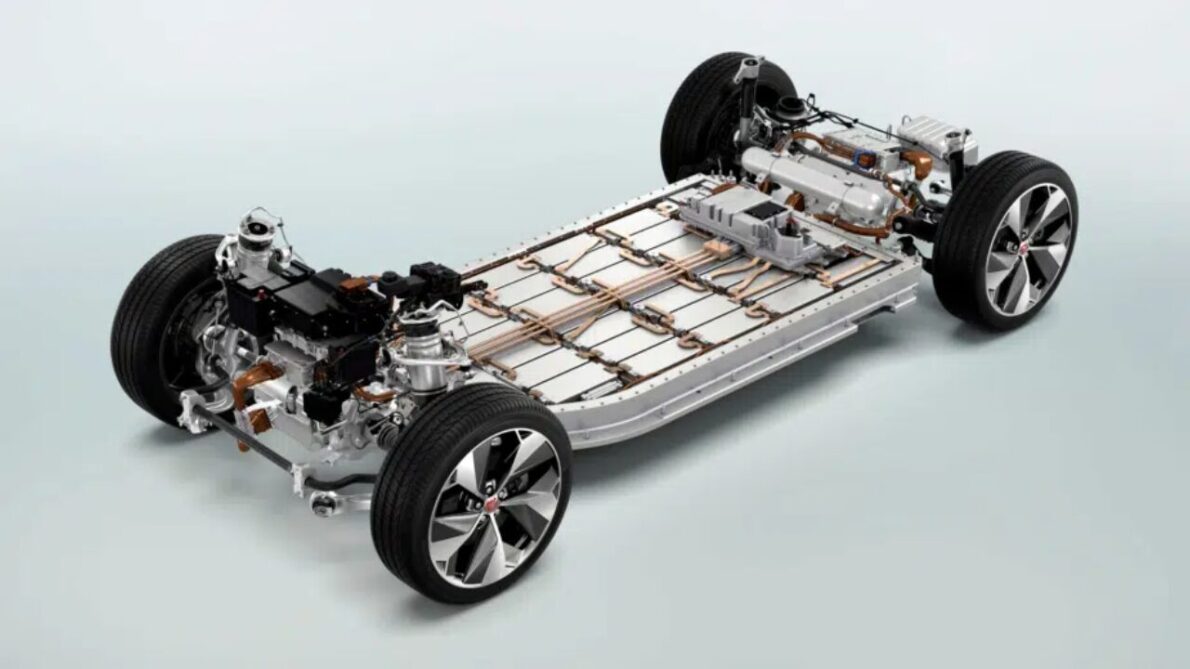

Re-Teck, Energy Source, and Lorene Are Ready to Lead Lithium Battery Recycling in Brazil, Catering to the Growing Automotive Market.
The recycling of lithium batteries has become a central issue in the discussion about the sustainability of electric and hybrid vehicles. In Brazil, three companies are at the forefront of this process: Re-Teck, Energy Source, and Lorene. These companies are already recycling batteries from cell phones and laptops and are preparing to meet the growing automotive market.
The Role of Companies in Lithium Battery Recycling
Re-Teck, Energy Source, and Lorene are the main players responsible for recycling lithium batteries in Brazil.
These companies have experience in handling batteries from devices such as cell phones and laptops, which provides them with a solid foundation to deal with lithium batteries used in electric vehicles.
-
2027 Toyota Corolla Cross Unveiled: New Design, Enhanced Fuel Efficiency, Reduced Maintenance Costs, Advanced Technology, Connected Services, and Up to 10-Year Warranty

-
Fiat Cronos Precision 2018: Affordable Sedan with Spacious Trunk and Reliable Maintenance
-
Volkswagen to Cut Production by 1 Million Cars by 2030, Reducing Jobs and Platforms, Focusing on More Profitable Models

-
Toyota Launches First 100% Electric Car in Brazil: bZ4X with 343 HP, All-Wheel Drive, 361 km Range, Priced at $419,990 BRL, Limited to 99 Units




According to the Brazilian Electric Vehicle Association (ABVE), these companies are ready to meet the specific demands of the automotive sector when necessary.
Marcelo Cairolli, Infrastructure Director of ABVE and Vice President of Latin America Business for Re-Teck, highlights that lithium batteries have been present in Brazil for at least 25 years.
Re-Teck has been operating in the country since 2016 and has been preparing to expand its operations into the automotive sector as demand grows.
Lithium batteries, which equip the majority of electric and hybrid cars, have a lifespan that varies from 10 to 15 years.
Therefore, the market does not yet demand large-scale recycling of these batteries, but preparation for the future is essential.
The Need for Lithium Battery Recycling
The recycling of lithium batteries is crucial not only for waste management but also for environmental sustainability.
ABVE emphasizes that, although it is not yet an imminent issue, the recycling of these batteries will become increasingly relevant as the number of electric and hybrid vehicles in Brazil grows.
The recycling process involves shredding the batteries and separating the materials into three main categories: plastics, aluminum scrap and copper, and precious metals like lithium, cobalt, and nickel.
The waste of precious metals is especially valuable in the international market.
They are known as “Black Mass” due to their appearance of black metallic powder. After separation, these metals are reused in the manufacturing of new batteries, which helps to reduce the need for mining new resources.
The recycling of these metals is an almost infinite process, allowing lithium, nickel, and cobalt to be reused multiple times.
Impact of Electric Vehicles Inclusion in Selective Tax
The recent proposal to include electrified vehicles in the Selective Tax, also known as the “Sin Tax,” has raised concerns among industry professionals.
ABVE released a statement to clarify the importance of lithium battery recycling and the benefits of electric vehicles.
Ricardo Bastos, ABVE President, argues that electric and hybrid vehicles have a significant positive impact on the environment.
They reduce or eliminate pollutant emissions, decrease noise pollution, and help in reducing greenhouse gases.
Bastos states that it makes no sense to include these vehicles in the Selective Tax, given their role in promoting more sustainable mobility.
Preparation for the Future of Recycling
The recycling of lithium batteries in Brazil is well underway, with Re-Teck, Energy Source, and Lorene leading the way.
Although the current demand for lithium battery recycling is still limited due to the durability of these batteries, the sector is preparing for the future.
Recycling not only helps to manage waste efficiently but also reduces the need for new resources and contributes to a more sustainable production cycle.
With the expected growth in the number of electric and hybrid vehicles, recycling capacity will become increasingly important.
The preparation of Brazilian companies to meet this future demand is a positive step towards a more sustainable future and the preservation of natural resources.