Portuguese
  Spanish


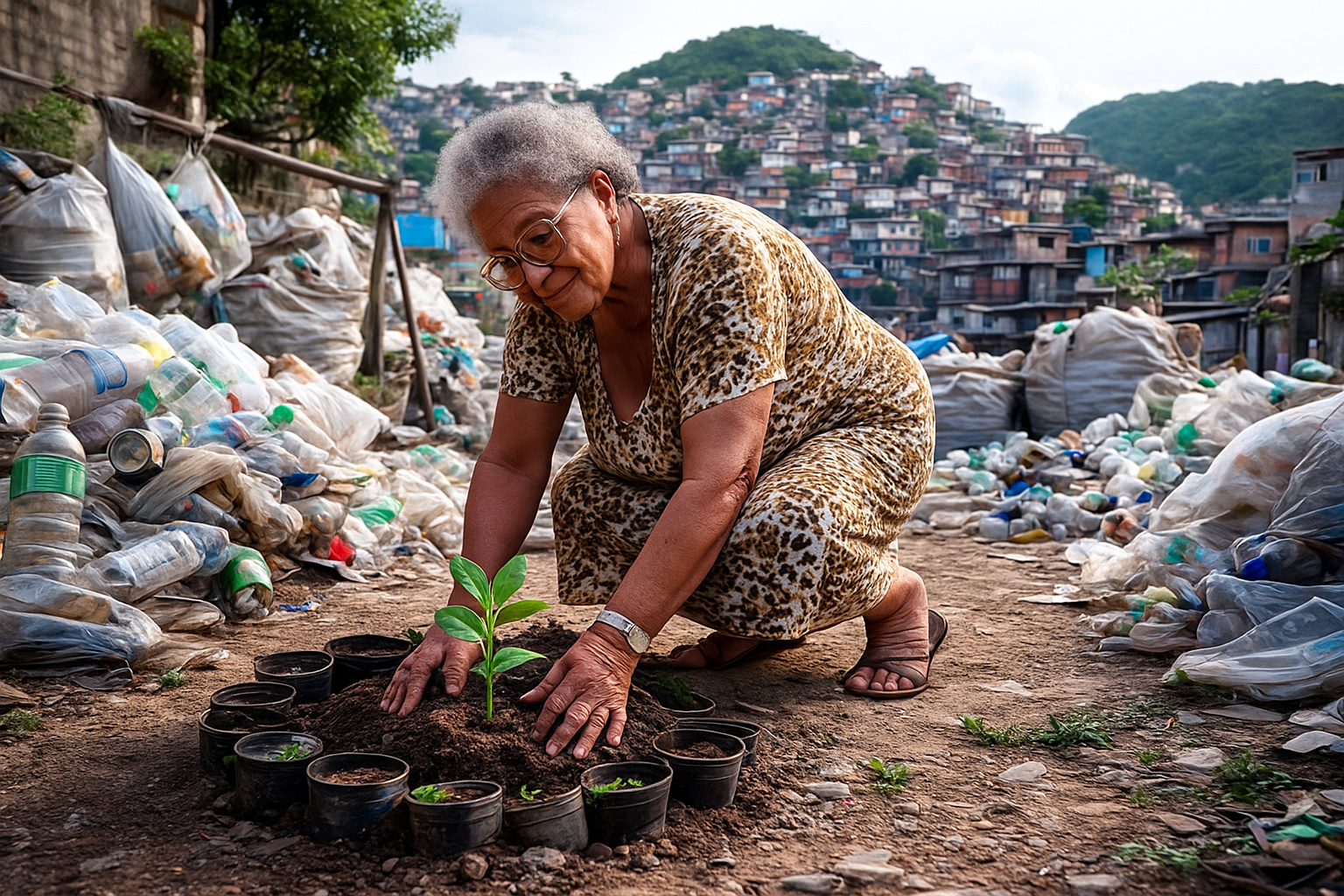

Between Recycled Plastic, Oil Turned Into Soap, Gardens Sprouting in the Alleys, and a Handmade Ecopoint, the Woman Who Overcame a Difficult Childhood Reorganizes the Hill of Alemão with Hard Work, Simple Life, and Community Hope
Among repurposed PET bottles, used oil transformed into soap, gardens sprouting in narrow alleys, and an ecopoint assembled with her own hands, the woman from Pernambuco who grew up among other people’s houses and overcame deep losses transforms a hard routine, old suffering, and community strength into a living project of environmental reorganization in the Hill of Alemão, uniting memory, recycling, manual labor, and daily resistance.
Born in the interior of Pernambuco, Josefa faced a childhood marked by displacements, rejections, and early labor from an early age. Between moves, relatives’ houses, and periods in the city and countryside, she learned to plant, sell vegetables, carry responsibility, and survive the harshness that permeated her life.
As soon as she grew up, and after difficult years, she moved to Rio. In the Hill of Alemão, she found a challenging environment. Still, she decided to transform every possible corner. Among gray staircases, open ditches, and narrow streets, she saw opportunities for planting, recycling, color, and reorganization.
-
Green Roofs on Homes Gain Popularity for Reducing Heat, Noise, and Rain Impact in Brazil

-
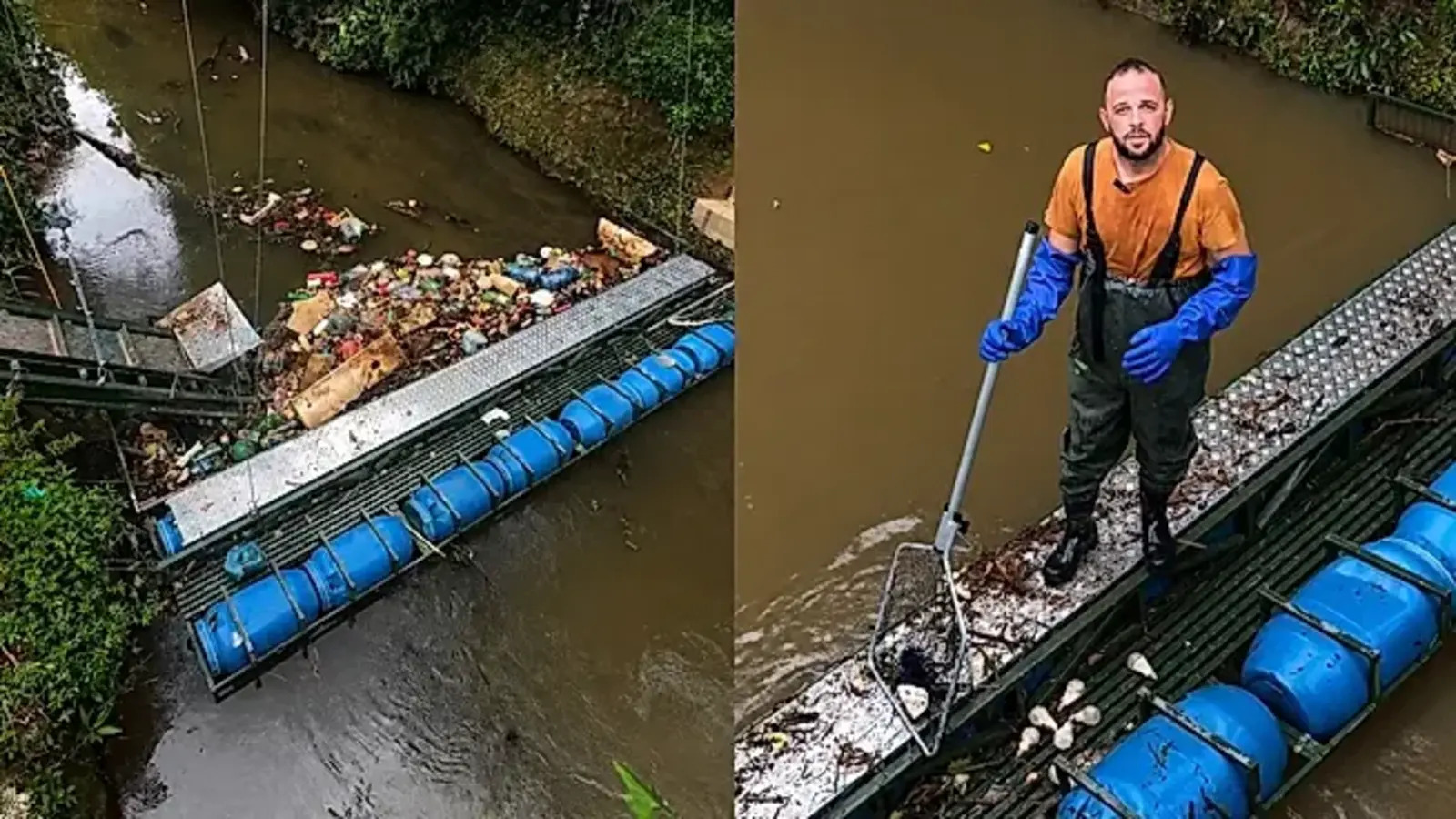
Brazilian promises his children to save a river, creates an eco-barrier in his backyard, has already removed more than 40 tons of trash from the water, and even inspires the idea in other states of the country.

-
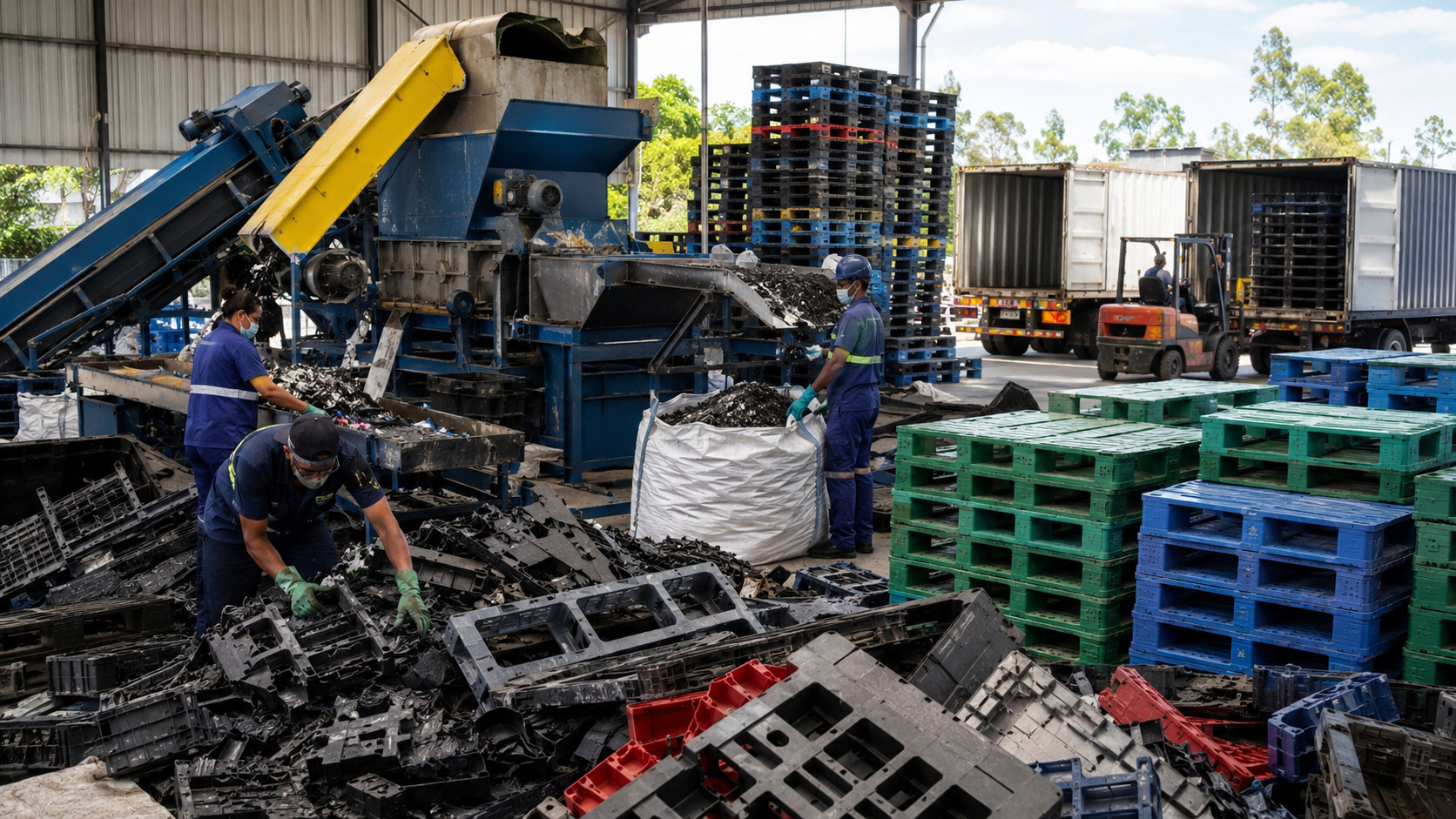
How a Brazilian company created a system that transforms broken pallets of any brand into new assets, recycles 80 tons of plastic per month, and found a profitable solution to a problem that challenges industries across the country.
-
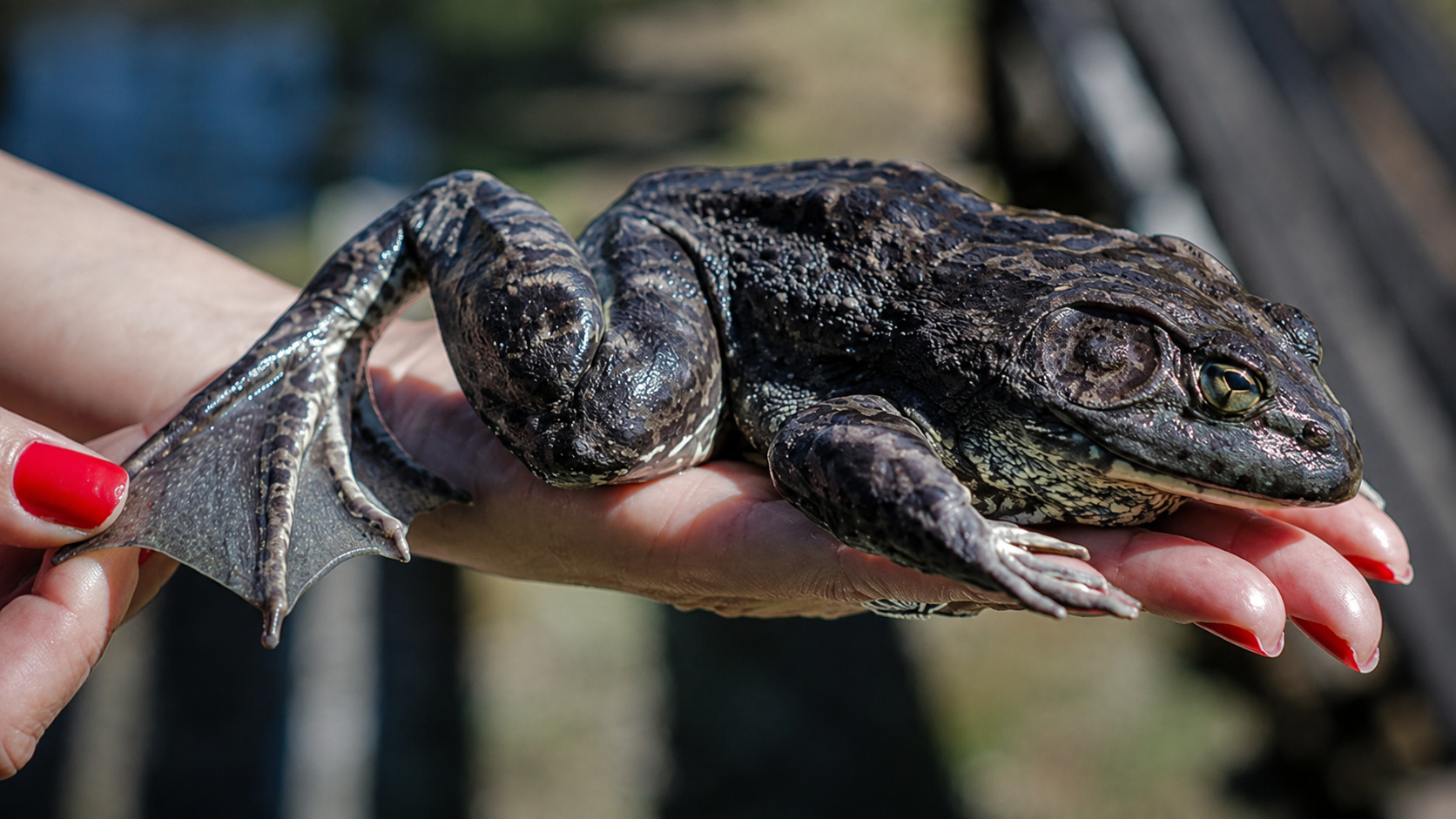
Invasive bullfrog capable of devouring other amphibians and laying up to 20,000 eggs is found in Florianópolis, raising an alert about the threat to native fauna.

The Work Routine of the Woman Who Transforms Recycling Into Community Life
As the day begins on the hill, Josefa already separates plastics, bottles, and waste left by the residents, as she understands that everything can be repurposed. The work is manual, constant, and exhausting. Nevertheless, she continues.
Early in the morning, she checks the materials left at the ecopoint. Although it is heavy to carry so many bags, she does everything with patience. She collects, sorts, cleans, and organizes, knowing that each item can turn into a workshop, crafts, or soap to teach children and women.
Next, she tends to the community garden. She opens space in the compacted soil, separates seedlings, and guides those who wish to learn. She plants cilantro, lettuce, and kale with her own hands, as she believes that cultivation transforms the street and the community.
After the garden, it’s time for the used oil, which becomes soap in workshops taught for women and children. She saves the oil brought by neighbors, filters it, and mixes the ingredients. Each produced bar carries history, care, and environmental education.
The children participate in everything. They collect PETs, help in the garden, learn to make soap, transform discarded items, and discover possibilities within the hill itself. Josefa prepares everything without financial support. Still, she continues.

Ecopoint, Workshops, Garden, and Biodigester Made with Self-Effort
The difference in Josefa’s work is the sum of various sustainable initiatives created only with what the community offers:
- Ecopoint assembled with pallets, reorganizing waste that previously filled ditches.
- Soap workshops, teaching women to transform used oil into a useful product.
- Craft workshops with PET bottles, creating objects and activities for children.
- Community garden, that arises in abandoned spaces of the hill.
- Cleaning mutirões, which reduce garbage in the streets.
- Biodigester made by self-initiative, turning organic waste into gas for domestic use.
Each initiative arises from observation, need, and the will to change the community without expecting external help.
Difficult Childhood, Deep Losses, and Daily Choice for Transformation
Josefa’s journey begins with pain. She lived between three different houses, faced suffering, and even situations of violence. Still a child, she helped in agriculture, brought food to workers, sold vegetables, and dealt with daily struggles.
Later, as an adult, she faced the deepest mourning: the loss of her daughter, a victim of a serious illness. Even so, she found the strength to carry on. In Alemão, she decided to transform her pain into social movement.
She created activities for children, occupied empty houses to offer workshops, cleaned abandoned spaces, and sought building materials door to door to erect the ecopoint. She built everything with her own hands, without financial support and without rest.
The House on the Hill, the Preserved Tradition, and the Future Project
The house where she lives represents the affectionate center of her work. There, she keeps recyclable materials, organizes workshops, welcomes children, and plans the next environmental actions.
The space is simple but vibrant. It is there that she tends to the biodigester, the plants, the seeds, and the collected materials. It is there that she reinvents her own story, connecting a painful past with community hope.
She sees the future in the present. She believes that each PET bottle helps. That each child learning to recycle represents a new path. She believes that each resident can transform the hill.
For Josefa, the true paradise is this set of hard work, simple life, and hope that springs from each community initiative.
And you, do you believe that a life transformed by recycling and collective care can change an entire hill?