Portuguese
  Spanish



Electric Car Sales In Brazil Poised To Exceed 200 Thousand Registrations In 2025, Driven By Chinese Automakers And São Paulo’s Leadership In The Electrified Market.
The sale of electric cars in Brazil continues at a strong pace and could reach a historic milestone by the end of 2025. According to data from the Brazilian Electric Vehicle Association (ABVE) and news published by Olhar Digital on Monday (09/08), the expectation is that the country will surpass the mark of 200 thousand registrations this year, exceeding the 2024 result by up to 21%, when 177,358 electrified vehicles were sold.
In the most likely scenario, the market is expected to reach 215 thousand units by December, consolidating the expansion of the segment and demonstrating the growing strength of electrified vehicles against traditional models.
Highlight On Plug-In And Pure Electric Vehicles
The month of August brought relevant numbers that reinforce this trend. Among the 20,222 light electrified vehicles sold during the period, 77.5% were plug-in models (which require external charging) and 22.5% were non-plug hybrid models.
-
Chery Offers Lifetime Battery Warranty and Car Replacement for Major Failures Under New Chinese Regulations

-
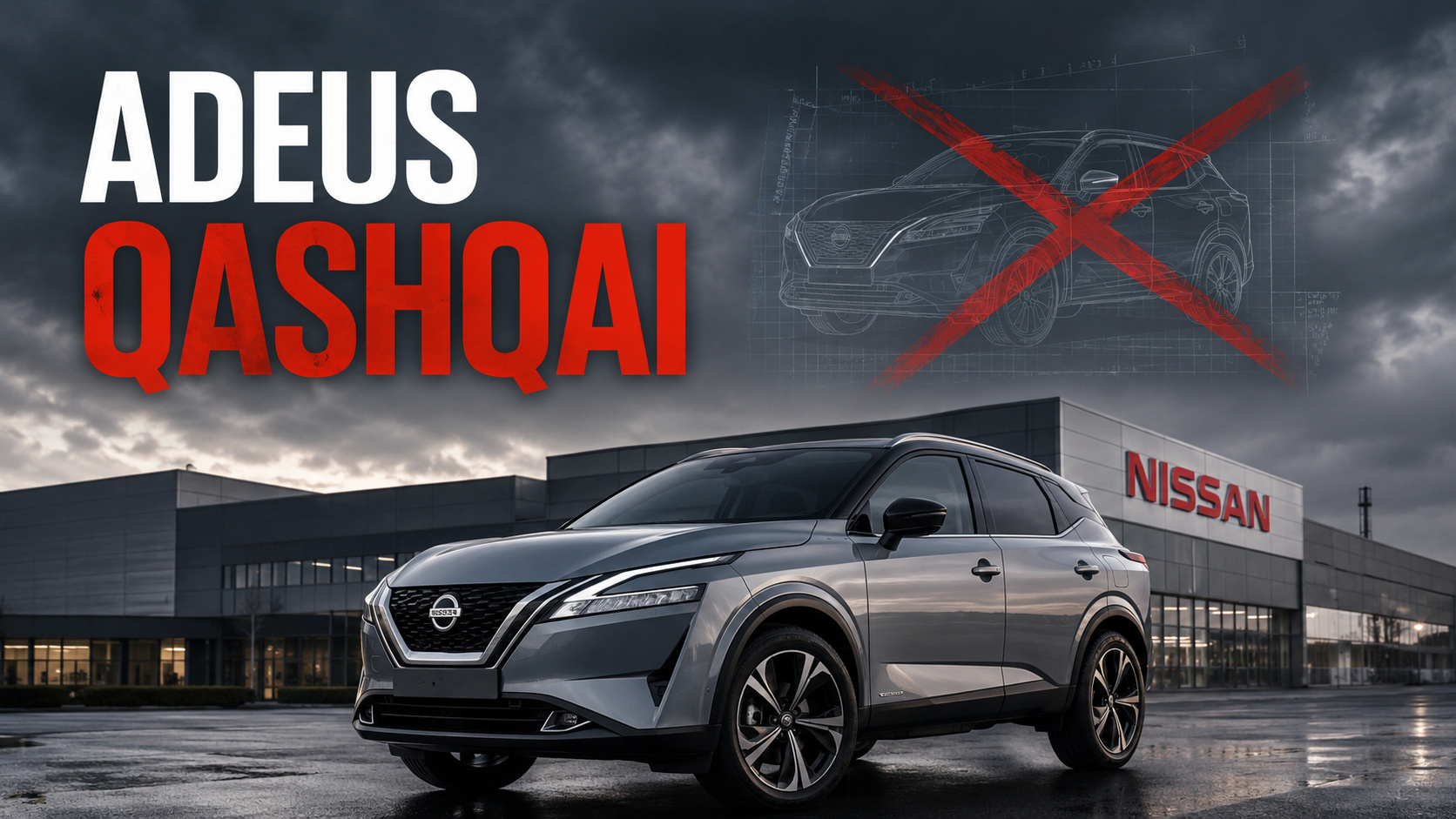
Nissan Discontinues Qashqai SUV Amid Cost-Cutting, Chinese Competition, and Product Line Review
-
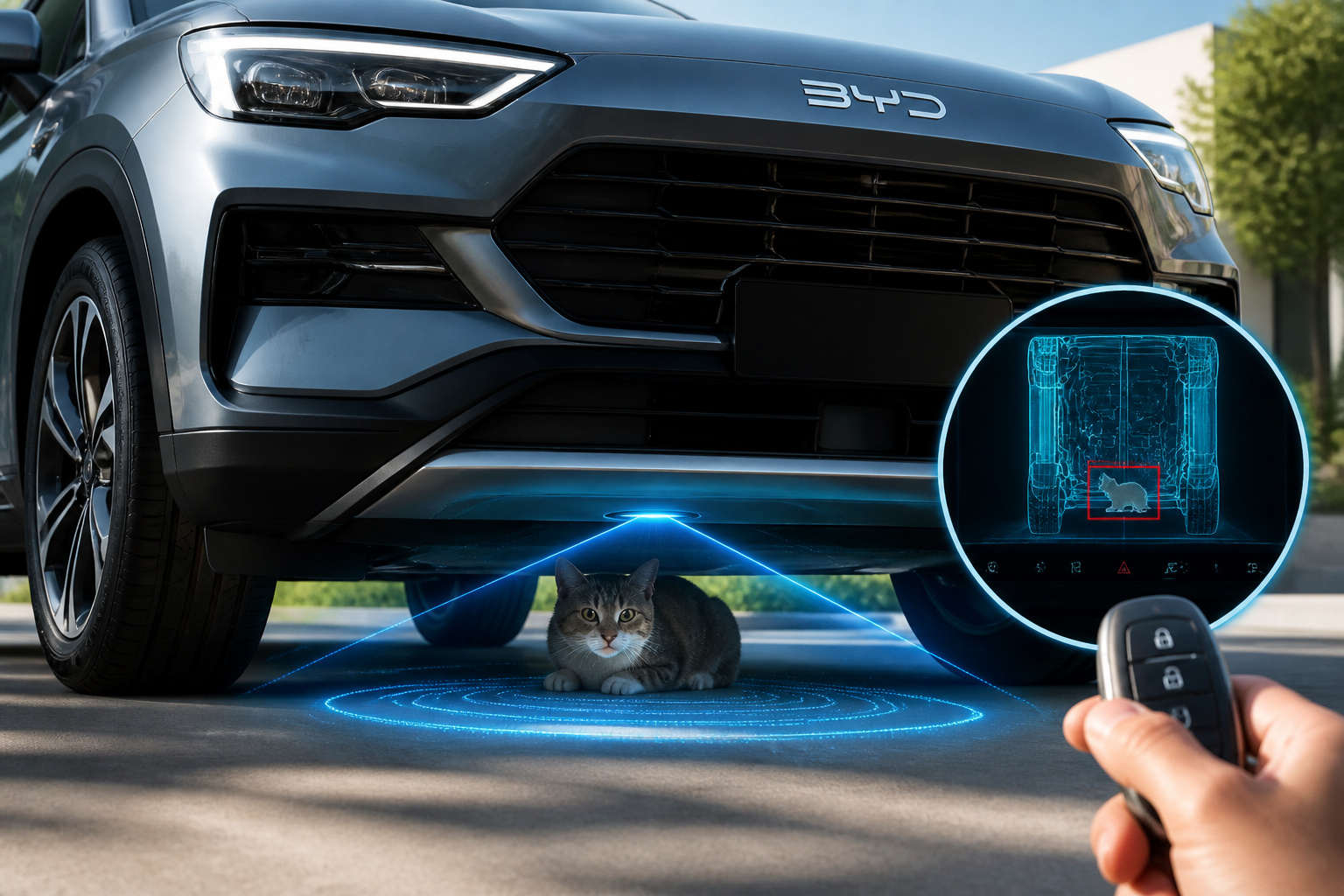
BYD Patents Revolutionary System Using Computer Vision to Detect Animals Under Cars Before Starting, Preventing Tragedies

-
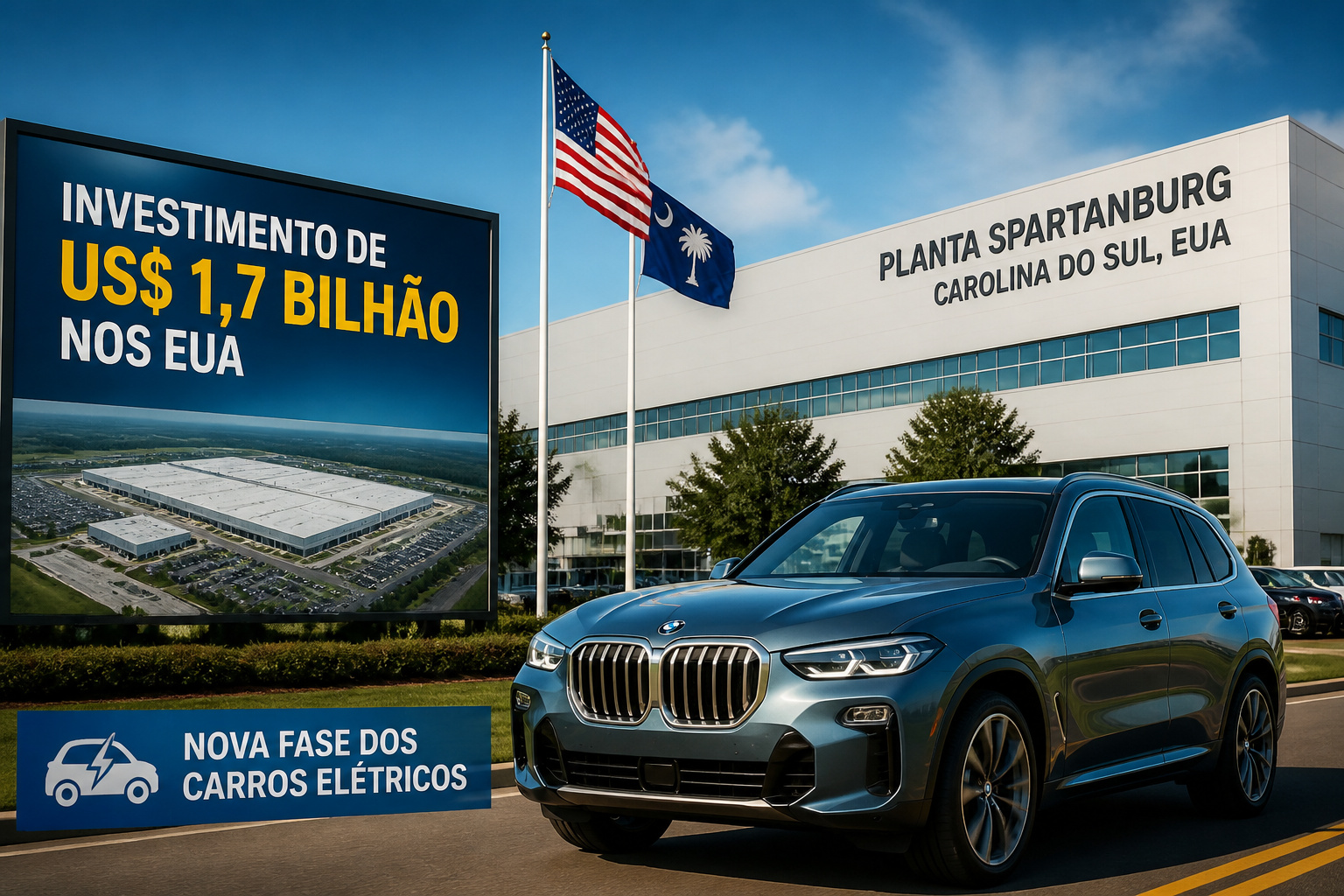
BMW Completes $1.7 Billion Investment in the U.S. for Electric Vehicle Production, Positions South Carolina for New Generation as Rivals Reassess EV Race
Plug-in hybrids stood out, totaling 8,057 units, equivalent to 40% of the market. Meanwhile, 100% electric vehicles recorded yet another monthly record, with 7,624 vehicles registered, representing 38% of total electrified sales.
For the ABVE, the advancement of plug-in models holds special significance. “The growth of plug-in vehicles suggests that this segment has still grown despite the uncertainties caused by the national debate on the new regulations from the Fire Departments regarding the installation and operation of electric charging equipment in building garages,” the entity assessed.
São Paulo Leading In Electric Car Sales
Among Brazilian states, São Paulo maintained a prominent position. In August alone, 6,487 light electrified vehicles were registered, accounting for 32.1% of national participation.
Other states that stood out include:
- Federal District: 2,010 units (9.9%)
- Santa Catarina: 1,243 units (6.1%)
- Rio de Janeiro: 1,234 units (6.1%)
- Minas Gerais: 1,204 units (6%)
Additionally, flex hybrids (HEV Flex) saw significant growth. In August, 2,245 vehicles were sold, a figure 118% higher than in July. This was the best performance for this category in 2025, with the Southeast Region leading sales by a wide margin.
According to the ABVE, this demonstrates that non-plug hybrids still play an important role in areas where electric charging infrastructure is in the expansion phase.
Share Of Electrified Vehicles In The National Market
Based on accumulated figures, electrified vehicles now represent 9.4% of the Brazilian automotive market. Although this figure is still far from that of leading countries in the energy transition, it is an important milestone for Brazil.
“The sector continues to expand, with consumers increasingly aware of less polluting technologies,” highlighted the ABVE.
Chinese Investments Boost Electric Car Sales
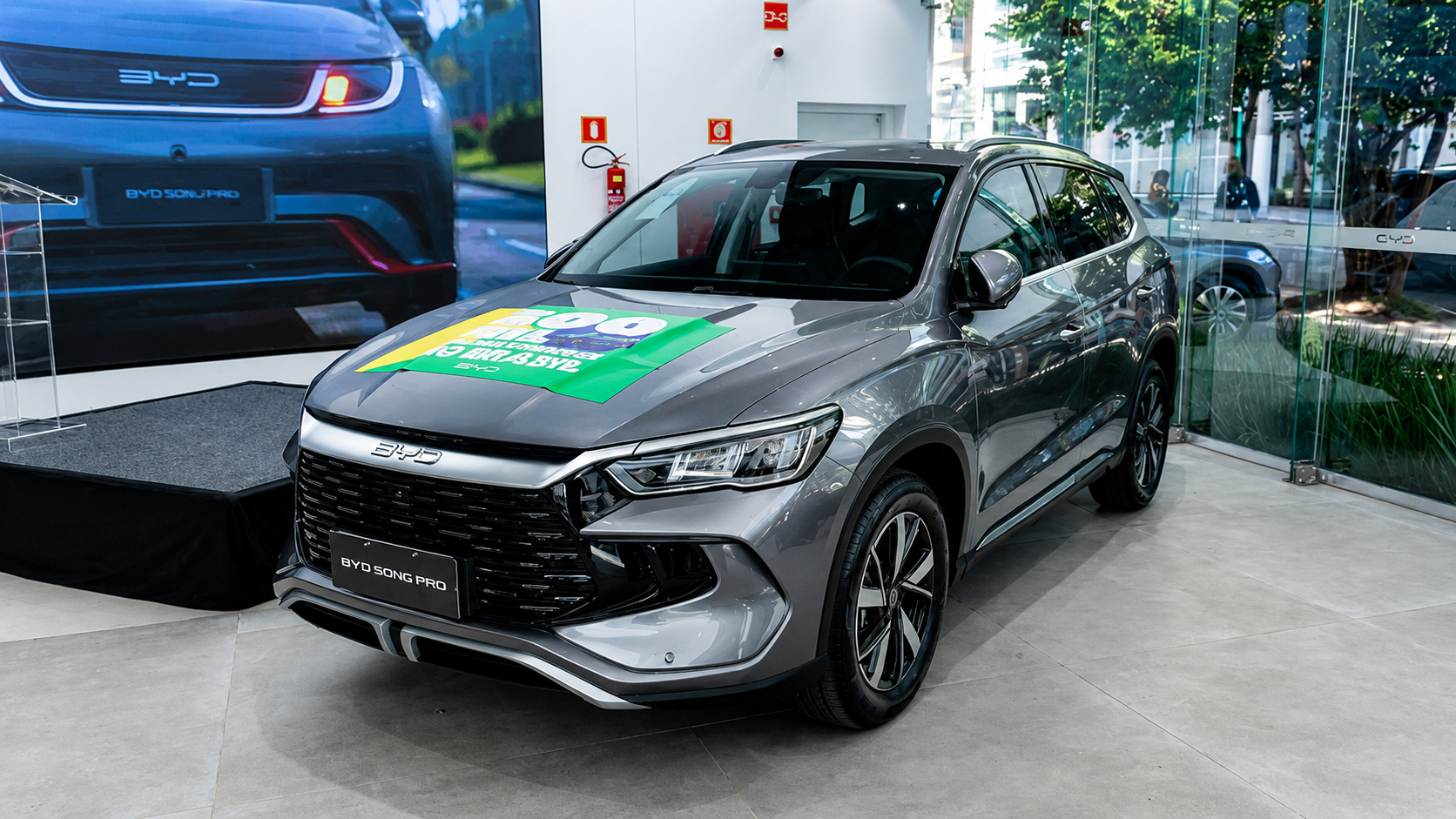
Another decisive factor for this growth lies in the investments from Chinese automakers in Brazil. Two new factories were inaugurated in 2025: BYD in Camaçari (BA) and GWM in Iracemápolis (SP).
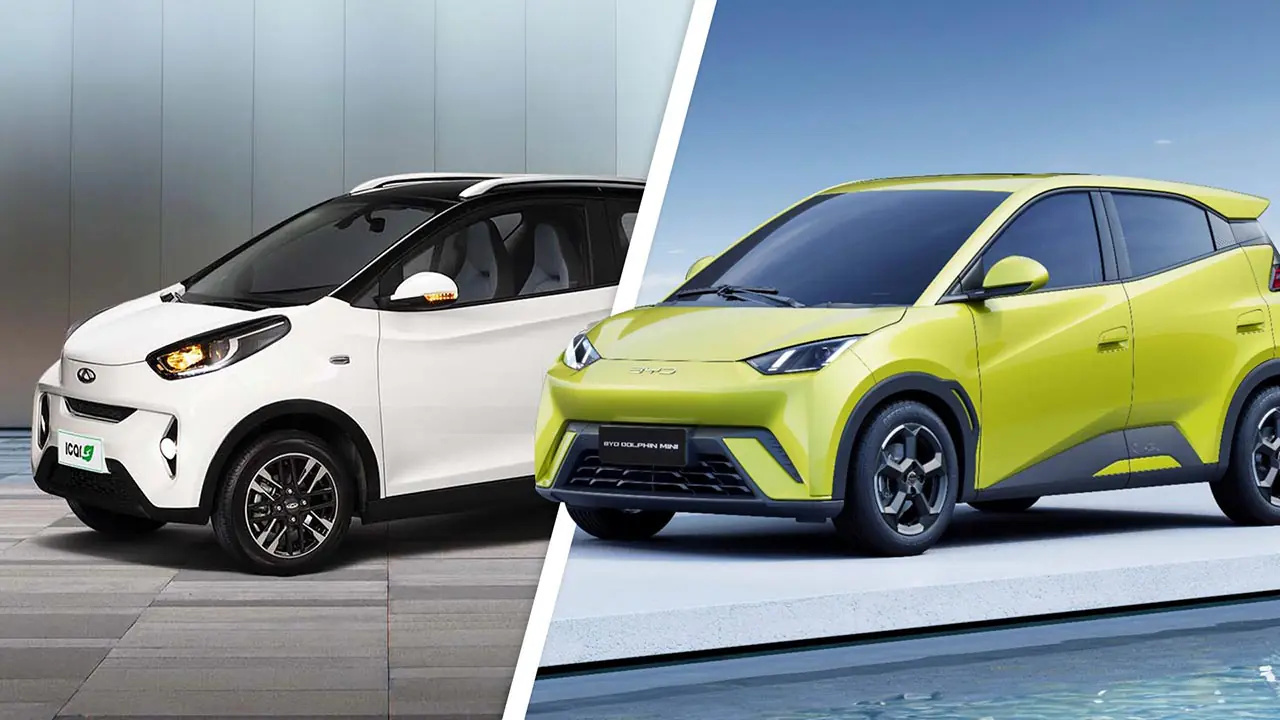
In addition, new brands began operating in the country, expanding the diversity of available models and offering more options to consumers. This movement strengthens the production chain and contributes to the gradual decrease in prices, increasing accessibility.
Despite high interest rates and increased import taxes on electric vehicles, sales have not slowed down. On the contrary, they remain strong.
“The market remains robust. If the most likely scenario is confirmed, we will see sales increase by over 20% in 2025 compared to the previous year, which represents a growth three times faster than the overall average for the Brazilian automotive market,” stated Ricardo Bastos, president of the ABVE.
These results confirm that the sale of electric cars in Brazil is expanding rapidly and is set to become one of the main drivers of transformation in the automotive industry in the coming years.