






 Portuguese
  Spanish


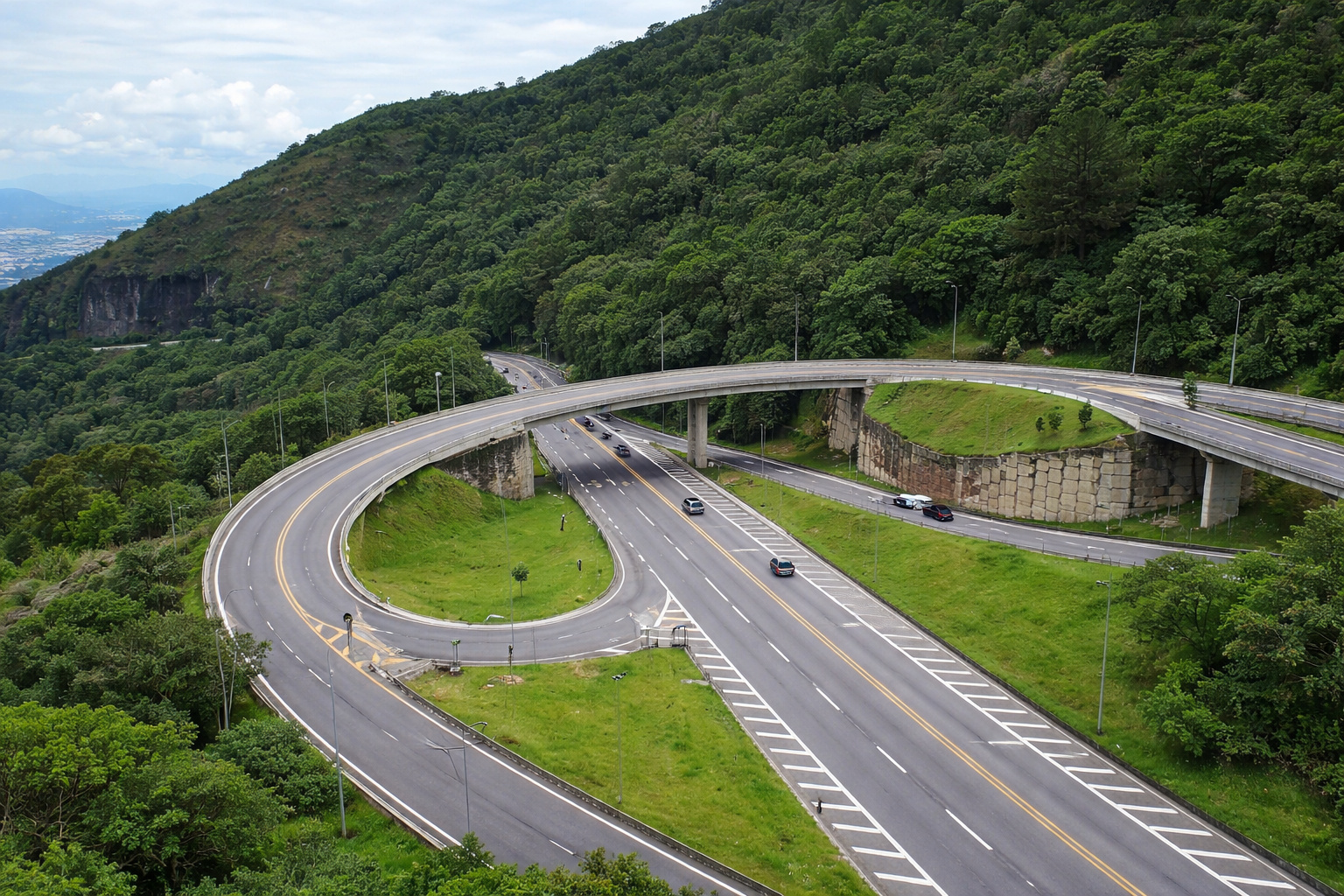

The project combines technology, connectivity, and sustainability and repositions the role of highways in national mobility
A significant transformation in road infrastructure was recently announced in São Paulo, attracting attention from the mobility sector. The modernization of the Floriano Rodrigues Pinheiro Highway consolidates a new concept of smart highway in Brazil. The proposal integrates connectivity, innovation, and environmental commitment into a single project. This movement demonstrates that the state seeks to align technological development with new urban and environmental demands. Thus, the initiative reorganizes the way roads are planned and used in the country.
Connectivity and technology redefine the experience on the roads
The modernization directly bets on digital transformation and expands the functionality of the highway. Along the entire route, drivers will have access to Wi-Fi and continuous 4G coverage. This connectivity strengthens real-time communication and increases safety. Sensors and intelligent systems will integrate into the infrastructure and allow for more precise interaction between vehicles and the road. The advancement prepares the environment for the arrival of autonomous vehicles and expands the role of the highway in traffic control. The road ceases to be just a space for circulation and begins to act as a active agent in mobility.
Sustainability gains highlight with the use of recycled materials
The project reinforces its environmental commitment with innovative solutions. The use of so-called green asphalt stands out as one of the main differentiators, being produced from recycled tires and reducing the volume of waste discarded. The paving presents greater durability, and the noise caused by vehicles tends to decrease. This set of benefits demonstrates how sustainability has been integrated into the project in a planned manner. The reforestation of nearby areas amplifies environmental gains, as the planting of native vegetation helps to contain erosion and offset carbon emissions. In this way, the environmental impact of the highway is reduced in a concrete manner.
-
The Port of Itaqui closes the best first semester in history with over 17 million tons and takes off as the locomotive of the Northern Arc.

-
Brazil’s North-South Railway to Auction Two Grain Terminals in Central Tocantins

-
AI-powered traffic cameras in São Paulo now issue fines for cellphone use and seatbelt violations around the clock

-
Free Upgrade to Professional Driver’s License Categories in Over 130 Locations in Brazil, Including Exams and Courses




Expanded infrastructure improves mobility and safety
The project includes important structural improvements that expand the scope of modernization. The construction of bike lanes increases transportation options, while new overpasses and additional lanes enhance traffic flow. These interventions strengthen safety and make the highway more efficient. The inclusion of different modes of transport broadens the service of the road, allowing drivers, cyclists, and local communities to benefit. This model reinforces regional integration and improves mobility more broadly.
Charging stations and clean energy anticipate industry trends
The installation of charging points along the highway accompanies the growth of electric vehicles in Brazil and encourages the transition to cleaner energy sources. The project responds to current demands and anticipates trends in the automotive sector. The highway becomes part of a more modern and sustainable system, aligned with the advancement of electric mobility. In this way, the road infrastructure adapts to technological and energy changes.
Smart highway redefines the role of infrastructure in Brazil
The investment in the Floriano Rodrigues Pinheiro Highway represents more than a modernization project, as it symbolizes a change in how road infrastructure is conceived. The integration of technology, sustainability, and regional development establishes a new standard for the country. Roads begin to take on more complex functions within mobility and cease to be merely thoroughfares. This model is likely to influence future projects and redefines the role of highways in Brazil.








