






 Portuguese
  Spanish
  3 min of reading
  0 comments


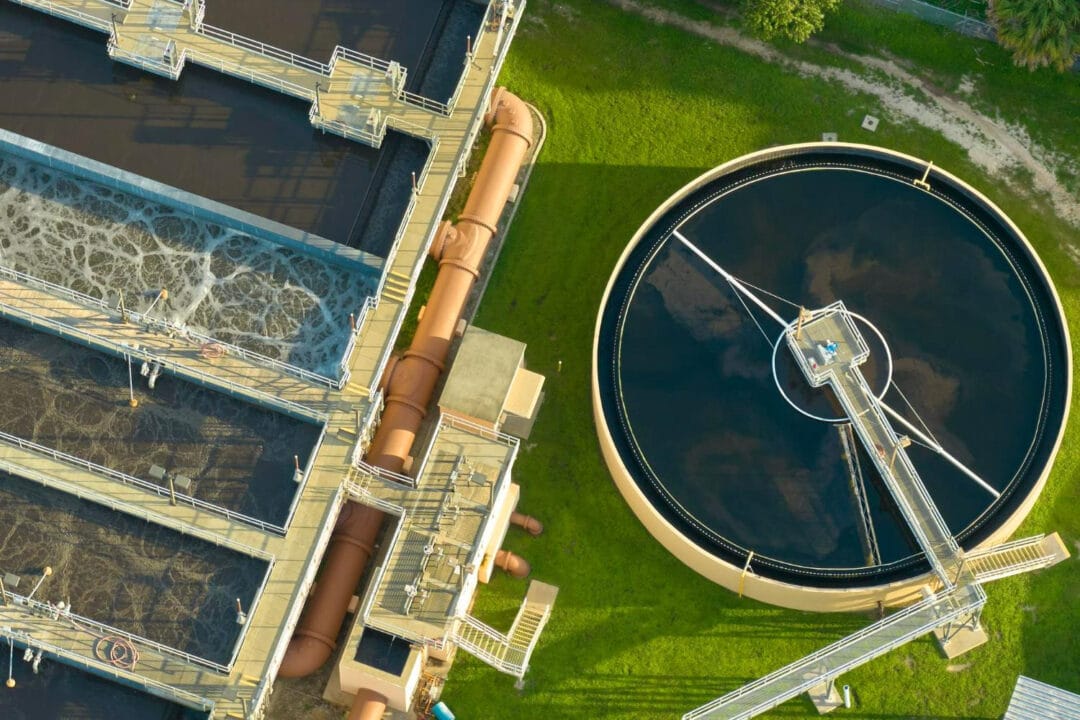
Companies Generate Waste and Effluents That Can Pose Risks to the Environment and Public Health
Data from the Brazilian Association of Waste and Effluent Treatment Companies (Abetre) estimates that less than half of the total industrial effluents produced are treated properly before being discarded into nature. The agency points out that around 60% of the waste generated by Brazilian industries is dumped into bodies of water and sewage systems without any treatment.
This scenario brings a series of issues for nature, public health, and the well-being of the population in general. According to the Regional Council of Engineering and Agronomy of Santa Catarina (Crea-SC), industrial effluents and solid waste can cause imbalances in fauna and flora, death of aquatic organisms, and soil infertility, in addition to bringing health problems to humans with the presence of various diseases.
The risks can be minimized with proper disposal actions for these materials. It is worth noting that the treatment of effluents and waste is mandated by Brazilian legislation, according to the guidelines of the National Environment Council (Conoma) of the Ministry of the Environment.
-
“Japanese Kicks with electric four-wheel drive” uses the e-POWER 4WD system, priced at approximately R$ 97,500 without taxes, and a technology not available in SUVs sold in Brazil: meet the Nissan Kicks e-POWER 4WD in Japan.
-
Researchers present a hydrogen ion battery capable of storing energy in two different forms, an innovative solution that promises to increase the autonomy of renewable systems and simplify energy transport.
-
Researchers present a hydrogen ion battery capable of storing energy in two different forms, an innovative solution that promises to increase the autonomy of renewable systems and simplify energy transport.
-
Researchers present a hydrogen ion battery capable of storing energy in two different forms, an innovative solution that promises to increase the autonomy of renewable systems and simplify energy transport.
To keep everything in order, industries must follow the recommendations of the legislation, public agencies, and associations related to health and the environment. Companies that use septic tank systems for the disposal of their waste must also pay attention to the septic tank cleaning service, which should be performed regularly to avoid risks to the environment.
What Are Industrial Effluents and Waste?
Industrial effluents are the liquid or gaseous materials generated during the manufacturing process. These items may contain toxic substances harmful to health and the environment. For this reason, the handling of effluents must be done correctly before they are released into nature.
When the disposal of these materials is done correctly, there is a lower risk of environmental impact, avoiding burdens for industries that would have to deal with the issues of pollution. Conversely, serious problems can occur for aquatic species, vegetation, soil, and the population.
Industrial waste, on the other hand, consists of leftover production that often has a mixed composition, and its disposal must be controlled to avoid risks to the environment.
Industrial Effluents Can Be Disposed of Correctly
For both types of materials, handling must be done in a controlled manner, respecting all specifications present in Brazilian legislation, recommended norms, and public and/or official agencies.
As they go through different production processes in industries, both effluents and waste can have various chemical, physical, and biological residues. To avoid risks to the environment and public health, it is highly recommended to dispose of them through companies specialized in managing the entire treatment process.
In the case of effluents and waste related to sewage, for example, companies that have septic tanks can hire a drain cleaning service, as many operate in residential, commercial, and industrial properties for cleaning and maintaining tanks.
When proper handling occurs, industries gain a series of benefits beyond pollution reduction. The treatment of waste and industrial effluents allows for a decrease in water contamination, a factor that, according to the Ministry of Health, can lead to diseases such as amoebiasis, giardiasis, gastroenteritis, typhoid fever, and cholera.
Additionally, water contamination can also cause water imbalance and threaten the life of aquatic creatures. Atmospheric pollution is also less likely to occur when these materials are disposed of correctly.
It is important to remember that industries are the main contributors to atmospheric pollution. Careful handling of these wastes and effluents reduces the harmful consequences of these organizations.
The benefits also reflect positively on the finances and reputation of large factories. Proper disposal of these materials leads to cost reduction and savings on potable resources. Moreover, a company that cares about such actions is also recognized by society.
Awareness and concern for the environment can help create a positive image in the sector. Many public agencies, clients, and suppliers value factories that pay attention to sustainability and seek measures that reduce impacts on nature.




Be the first to react!