Portuguese
  Spanish


Studies link lack of physical activity to accelerated brain aging, while regular exercise helps circulation, stimulates neural connections, and can reduce memory-related risks
Recent studies indicate: lack of physical activity is associated with faster memory decline. Sedentary lifestyle and memory are linked by mechanisms involving reduced cerebral circulation, poorer oxygenation of neurons, and a reduction in important substances for learning, focus, and cognition during aging.
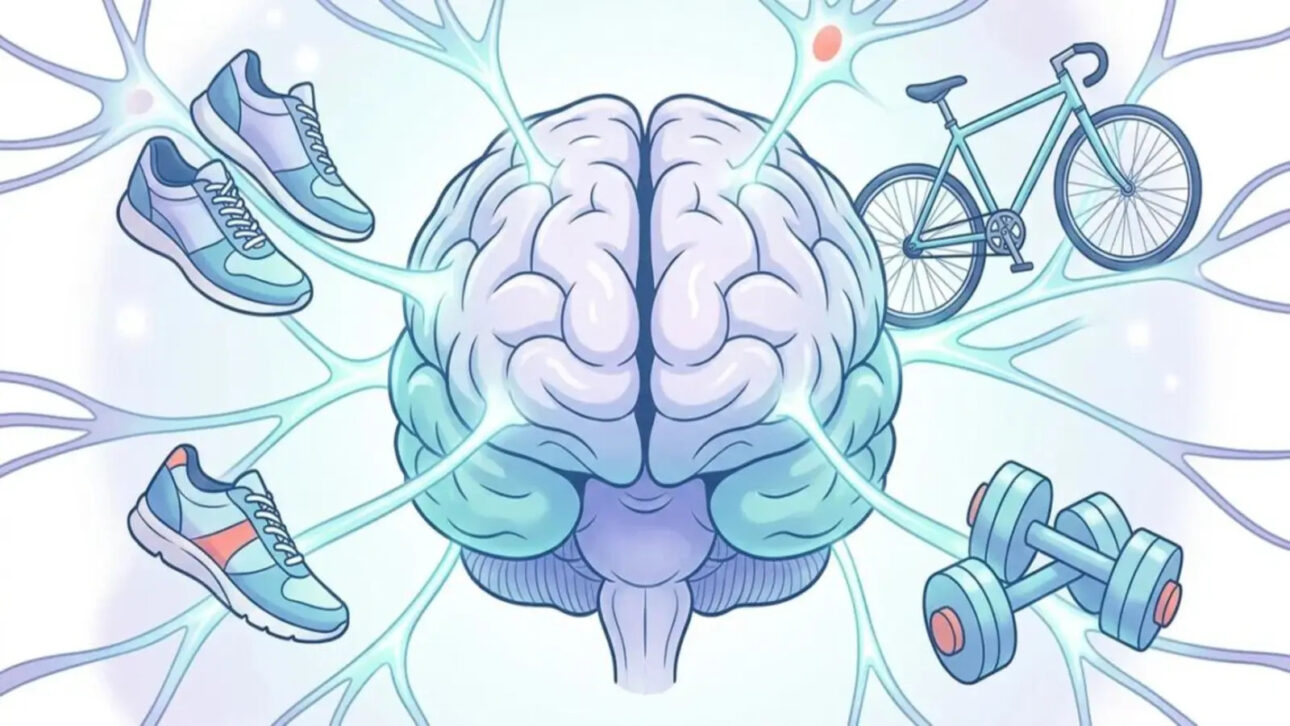
How lack of movement affects the brain
The absence of an active routine reduces blood flow to the brain. With less circulation, neurons receive less oxygen, which can impair processes related to memory and cognitive functioning.
Sedentary behavior also affects the production of essential substances for memory, such as noradrenaline and dopamine.
-
Storm Chasers Get Too Close to Oklahoma Tornado, Record 128.8 mph Winds, and Attempt Drone Launch to Measure Pressure and Speed in Dangerous Operation

-
Iranian Scientists Develop Artificial Brain in Lab Using Living Human Neurons Capable of Learning and Forming Neural Networks

-
UK Selects Abandoned Nuclear Island for Rolls-Royce Reactors to Test Mini-Plant Viability Over 60 Years

-
12-Year-Old Indian Girl Invents FreshPaper, a Spice-Inspired Sheet That Extends Fruit Freshness by Four Times, Now Patented in the U.S.




Over the years, this set of factors can contribute to more accelerated brain aging.
In addition to the direct impact on the brain, lack of physical activity is related to conditions that also impair cognition, such as obesity, hypertension, and diabetes. Therefore, small daily steps can have a positive and lasting effect.
Exercises stimulate neural connections and protect memory
During exercise, the body releases growth factors, including BDNF. This substance stimulates the formation of new connections between neurons and helps protect regions related to memory, such as the hippocampus.
Aerobic activities are considered especially protective. The effect of movement also appears in mood, focus, and learning ability at different life stages, not just in old age.

Studies Associate Physical Activity with Lower Cognitive Risk
The systematic review with meta-analysis “Does physical activity prevent cognitive decline and dementia?”, published in BMC Public Health and indexed in PubMed, reinforces the relationship between movement and brain health.
According to the study, people with higher levels of physical activity showed a 35% reduction in the risk of cognitive decline and about 14% in the risk of dementia compared to less active people.
The authors highlight that the effects remained consistent even in studies with follow-up longer than 10 years. This data reinforces the importance of physical activity as a continuous habit to preserve cognition.
Habits that Help Protect the Mind
It is not necessary to be an athlete to gain benefits. The recommendation presented in the material is to combine aerobic, strength, and balance exercises throughout the week, respecting individual pace and limitations.
Mind protection also depends on other care, such as sleeping between 7 and 9 hours per night, stimulating the brain with reading and games, maintaining social ties, adopting a diet rich in vegetables, fish, and olive oil, controlling blood pressure, cholesterol, and blood sugar, avoiding smoking and excessive alcohol consumption.
In cases of frequent forgetfulness, difficulty concentrating, or significant decline in mental performance, the guidance is to seek a neurologist or geriatrician for proper evaluation and follow-up.
This article was prepared based on information from Tua Saúde and the systematic review with meta-analysis “Does physical activity prevent cognitive decline and dementia?”, published in BMC Public Health and indexed in PubMed, with data, numbers, and statements preserved as per the material consulted.