Portuguese
  Spanish


The reduction of waters in the Vajiralongkorn Dam exposed part of a forgotten station in Kanchanaburi, reigniting interest in one of the most tragic railways of the 20th century, built under extreme conditions by prisoners of war and Asian workers.
An impressive scene caught the attention of historians, tourists, and locals in western Thailand: an old railway station linked to World War II reappeared after being hidden underwater for decades.
The structure is the Nithe station, part of the so-called “Death Railway”, one of the darkest works of the 20th century. The site reappeared after the water level dropped in the Vajiralongkorn Dam reservoir in the province of Kanchanaburi, revealing remnants that had been submerged for over 40 years.
What seemed to be just a dry area at the bottom of a reservoir turned into a rare window to a past marked by tracks, war, forced labor, and thousands of deaths.
-
Neon Blue Glow in Brazilian Waters Captivates Locals and Goes Viral, Unveiling Rare “Sea Fire” Phenomenon

-
Forgotten Map Leads Diver to Shipwreck with Gold, Rare Jewels, and Secrets Hidden for Nearly 350 Years
-
Furong: The 2,000-Year-Old Chinese City Built on a 60-Meter Waterfall Becomes a Global Tourist Phenomenon

-
YouTube Inventor Dubbed “Real-Life Tony Stark” Builds Robotic Legs for Father’s Day, Creating a Wheelchair That Conquers Stairs and Rough Terrain


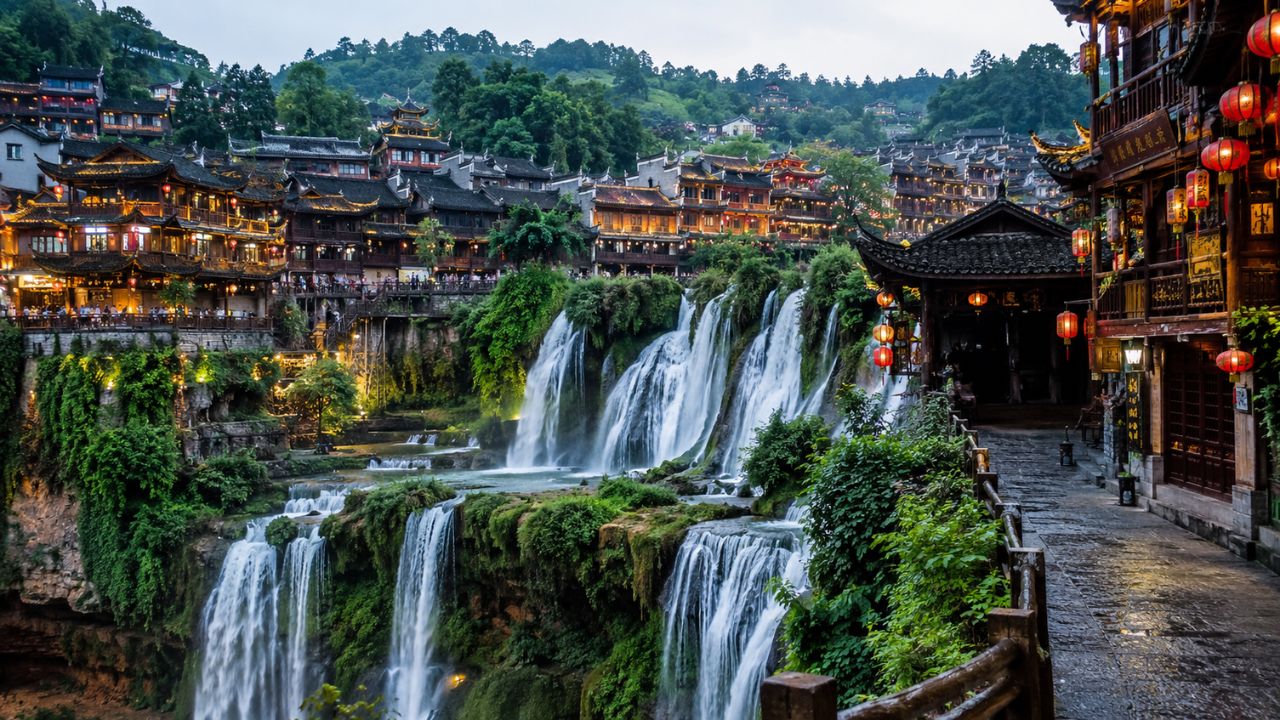

The water receded and revealed a forgotten railway station at the bottom of the reservoir
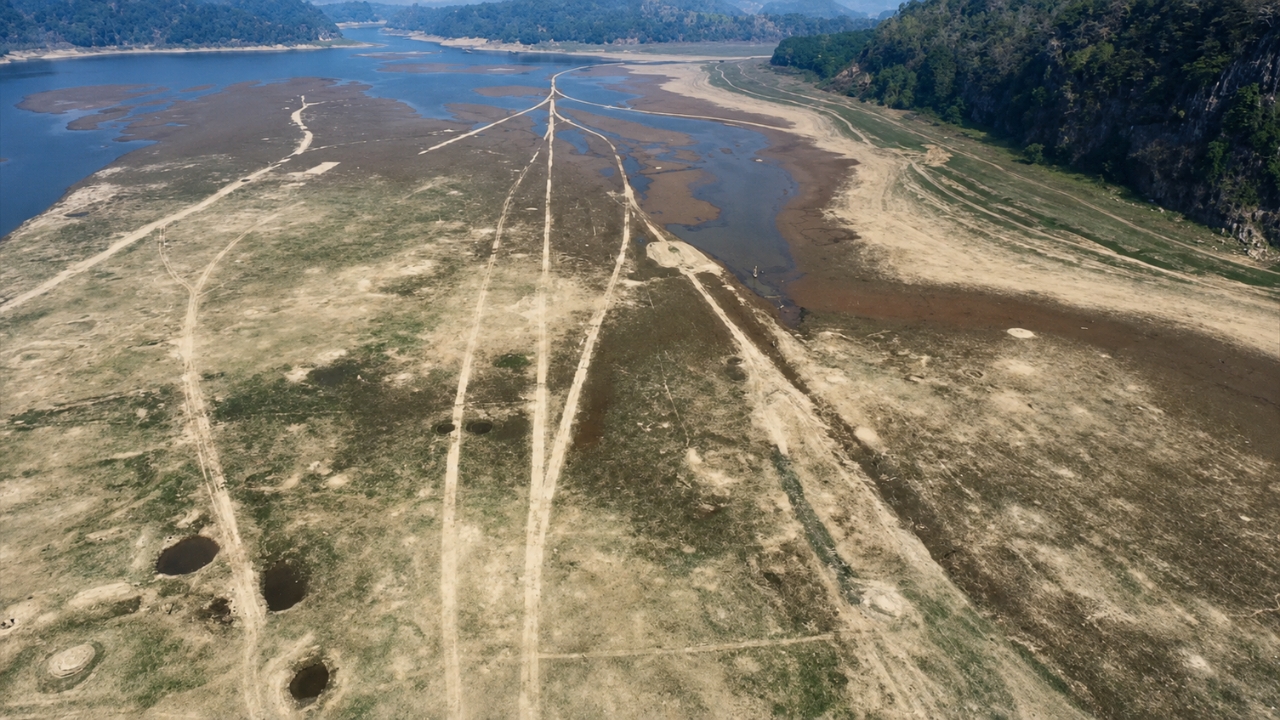
The Nithe station was submerged for decades in the waters of the Vajiralongkorn Dam reservoir. With the reduction of the water level during maintenance work, parts of the old railway yard resurfaced.
The reappearance was surprising because the site is not a common ruin. It was part of the historic railway built during the Japanese occupation in Southeast Asia, in the midst of World War II.
Researchers are now racing against time to record, map, and study what remains of the station before the reservoir fills up again. The concern is that, with the end of dam maintenance and the arrival of the rainy season, the structure will disappear once more underwater.
This urgency has turned the site into a kind of “temporary excavation,” where each track, each piece of metal, and each mark on the ground can help reconstruct a forgotten part of history.
The connection with the feared “Death Railway”
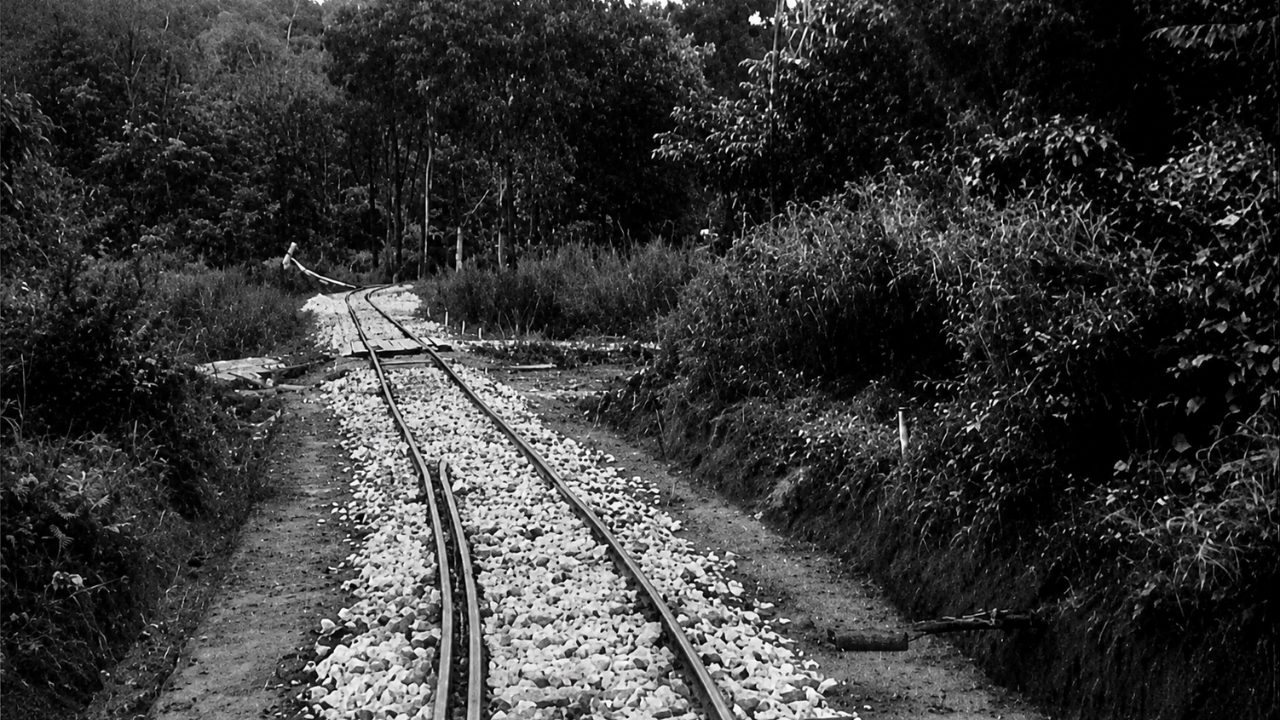
The Death Railway connected the former Siam, now Thailand, to Burma, today Myanmar. The route was about 415 kilometers long and was built between 1942 and 1943 to serve as a strategic supply route for Japanese forces.
The grim name did not arise by chance. The railway was erected under brutal conditions by allied prisoners of war and a large number of Asian workers. They faced diseases, starvation, mistreatment, exhausting workdays, and extremely difficult terrain, with jungles, rivers, slopes, and mountainous areas.
Historical estimates indicate that tens of thousands of people died during the construction. The Associated Press cites more than 12,500 allied prisoners and about 75,000 Asian workers killed in the process.
Therefore, the reappearance of the Nithe station is not just an archaeological curiosity. It is also a physical reminder of one of the most tragic railway projects in modern history.
Researchers use old maps, aerial photos, and metal detectors
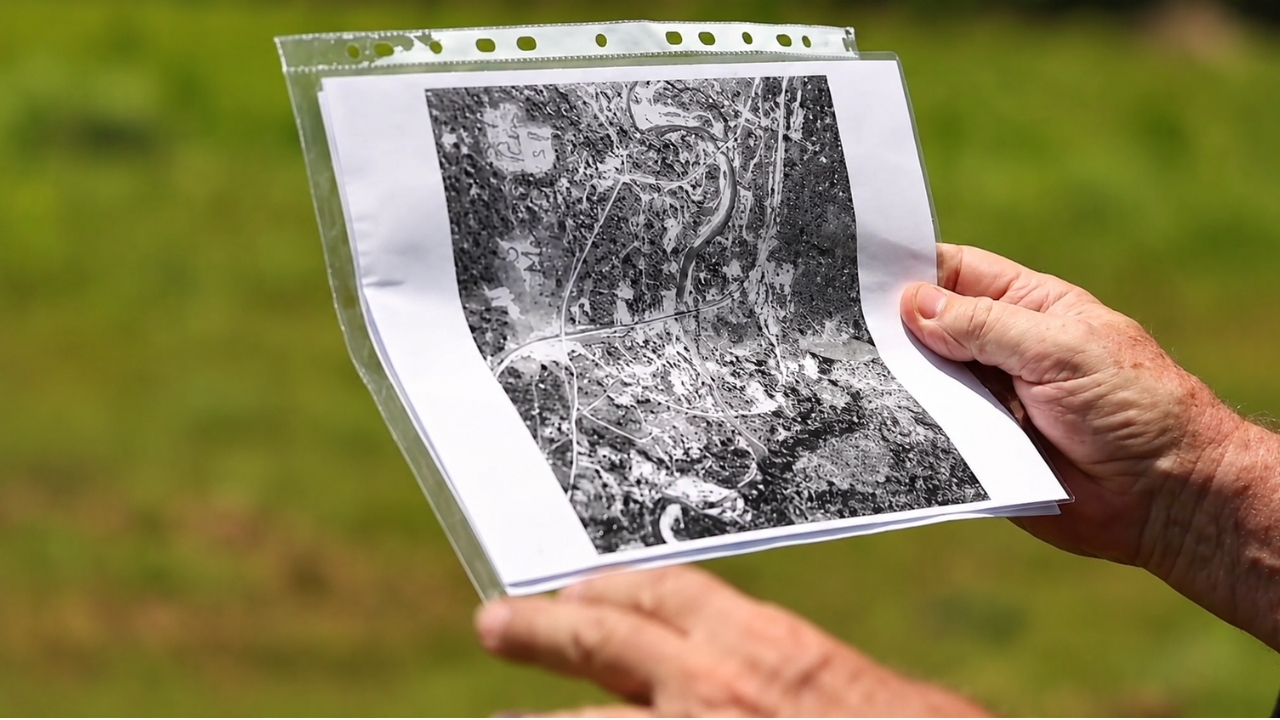
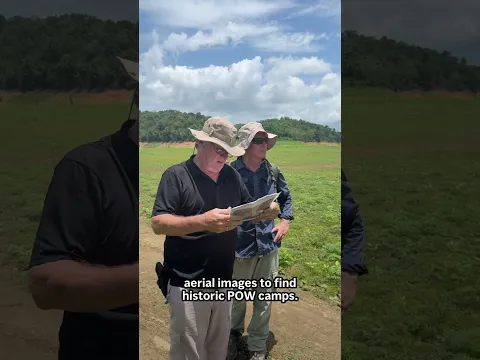
With the station temporarily exposed, researchers went to the region to analyze the terrain. Among them are Martyn Fryer, an independent Australian researcher, and Andrew Snow, associated with the Thailand-Burma Railway Centre.
The investigation combines simple technology and historical documents. Aerial photos from the wartime, old maps, and records preserved in British archives help identify the layout of the station and possible areas linked to former prisoner camps.
On the ground, metal detectors revealed traces such as railroad spikes, fastening pieces, and other fragments associated with the old line. Small objects, which might go unnoticed by a common visitor, gain enormous importance in the hands of researchers.
Each item found helps confirm where the tracks were, how the station was organized, and what role Nithe played within the railway’s logistics.
A place that mixes tourism, memory, and historical pain

The region of Kanchanaburi is already known for its connection to the Death Railway. Sections of the line still exist, and places like the bridge over the River Kwai and the Hellfire Pass attract visitors interested in World War II history.
But the Nithe station has a different appeal. It was hidden underwater, away from public view, and reappeared unexpectedly. This creates a powerful image: a ghost station emerging from the bottom of a reservoir after more than four decades.
The case also attracted curious onlookers, tourists, and descendants of people connected to the railway’s construction. For many, walking through the site is not just observing ruins; it is stepping on ground where thousands of lives were marked by war.
On social media, images and accounts of the station’s reappearance gained significant attention, increasing interest in the site and the railway’s history.
The station may soon disappear again
The most dramatic point of this discovery is that it may be temporary. With the normalization of the reservoir level and the advance of rains in Southeast Asia, the Nithe station may become submerged again.
This increases the pressure on researchers and historical institutions. The time to document the site is short, and everything indicates that nature may once again hide the traces it just revealed.
Even so, the reappearance has already left a mark. It reignited the debate on historical preservation, war memory, and the role of submerged structures as silent archives of the past.
A discovery that turns low water into a historical alert
The return of the Nithe station to the surface shows how natural or technical events, such as the drop in a reservoir’s level, can reveal entire chapters of history.
What emerged in Thailand was not just an old station. It was a concrete piece of the Death Railway, a project built under extreme suffering and linked to one of the most violent phases of the 20th century.
While researchers try to map the site before the water returns, the reappeared station becomes a powerful symbol: even decades later, the past continues to find ways to resurface.