Portuguese
  Spanish


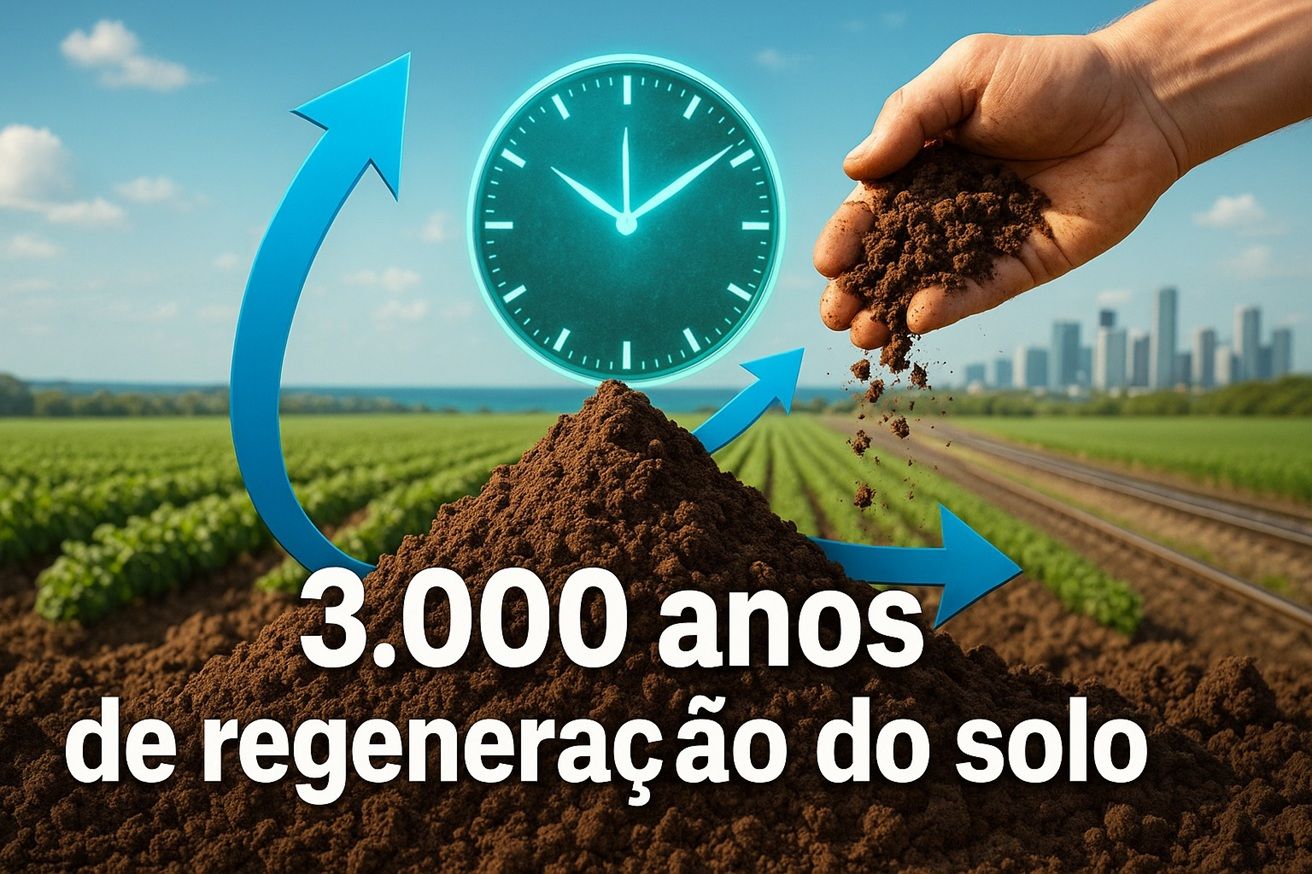

In A World Seeking Quick And Effective Solutions For The Climate Crisis And Environmental Degradation, A German Startup Promises To Revolutionize The Way We Restore Soil. Using Hydrothermal Technology, Humify Transforms Agricultural Waste Into Artificial Humus Capable Of Accelerating Processes That Would Take Thousands Of Years, Offering Immediate Benefits For Agriculture And The Environment.
Humify, a German startup founded in 2023, has developed a method capable of accelerating natural soil regeneration processes that would take up to 3,000 years, completing them in just weeks.
The innovation uses a hydrothermal process of high pressure and temperature, transforming organic waste into artificial humic substances.
These substances improve fertility, increase microbial biodiversity, and capture CO₂, helping to restore degraded ecosystems.
-
Brazilian Engineers Lead $200 Million Project to Bring Water from São Francisco River to Transform Supply in Northeastern Cities

-
Brazilian University Tests Recycled Plastic Component for Homes, Aiming for More Sustainable Single-Family Housing Construction
-
Apple, Samsung, and Sony Warn: Wet Bluetooth Earbuds Can Be Damaged if Stored Before Fully Drying
-
Brazil Develops AI-Driven Technology to Measure Brain Pressure Non-Invasively, Detecting Nanometric Deformations in Real Time to Aid Early Medical Intervention


The proposal combines applied science and circular economy, converting agricultural waste into high-value fertilizers.
How Artificial Humification Works
The process created by Humify combines heat of around 200 °C, moderate pressure, and water to decompose and reconfigure organic waste. The result is a dark concentrate rich in polymers that mimic natural humus.
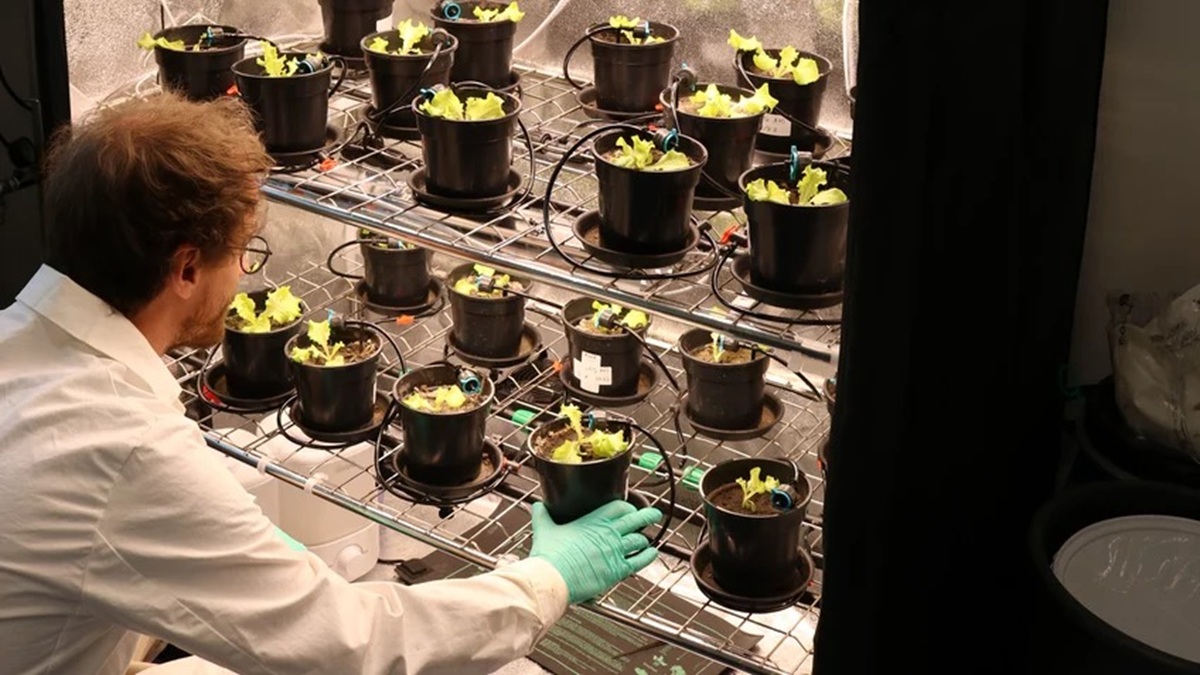
When applied to the soil, this material improves the retention of water and minerals, stimulates microbial life, and promotes the sequestration of atmospheric carbon. Field trials indicate productivity gains of up to 20% in crops such as lettuce and corn.
Pilot Plant And Production Capacity
The company is already planning a pilot plant with a capacity of 3,000 tons annually, which could result in the capture of up to 150,000 tons of CO₂ per year.
The input is produced from different agricultural and agro-industrial waste, such as biogas digestates and pruning residues.
In addition to productivity gains, the use of the product has shown visible benefits in restoration projects, with recovery of trees and degraded vegetation.
© HUMIFY
Impact On Carbon Sequestration
The application of just one ton of these substances per hectare can sequester up to 50 tons of carbon in the soil in one year. This represents a significant advance in mitigating climate change and recovering degraded areas.
The technology also reduces the dependence on synthetic fertilizers, which require a large amount of energy to produce and can cause pollution.
Challenges In Scaling Production
One of the main obstacles for Humify is to reduce the energy consumption of the process. The company is working on heat recovery systems to keep the technology competitive against other carbon capture solutions.
Another area of innovation involves creating mobile units capable of processing biomass directly on farms. This would avoid transportation and loss of organic matter, as well as allow production in remote regions.
Social And Environmental Benefits
The large-scale adoption of this technology could restore degraded soils, improve agricultural resilience against droughts, and reduce pollution associated with chemical fertilizers.
There is also potential for creating skilled jobs in rural areas, especially with the installation of plants in cooperatives and agro-food industries.
Application Possibilities
The model proposed by Humify can be integrated into different initiatives:
- Biogas plants can transform digestates into enriched humus, closing energy and agricultural cycles.
- Agricultural cooperatives can install humification units to process waste and return fertilizer to the fields.
- Regenerative agriculture programs can use the product to reduce nitrogen fertilizers and strengthen the soil.
- Arid and impoverished soils can be revitalized, increasing the retention capacity of water and nutrients.
- Urban and peri-urban areas can be restored, with improvements in carbon sequestration and environmental quality.
Global Growth Outlook
The global demand for such solutions is high, with up to 2 billion hectares needing regeneration. The European market for humic compounds is growing driven by ecological transition policies, creating opportunities for Humify’s expansion.
If the company can scale up, it could become a key player in restoring soils, capturing carbon efficiently, and promoting more sustainable and resilient agricultural systems.