






 Portuguese
  Spanish
  4 min of reading
  0 comments


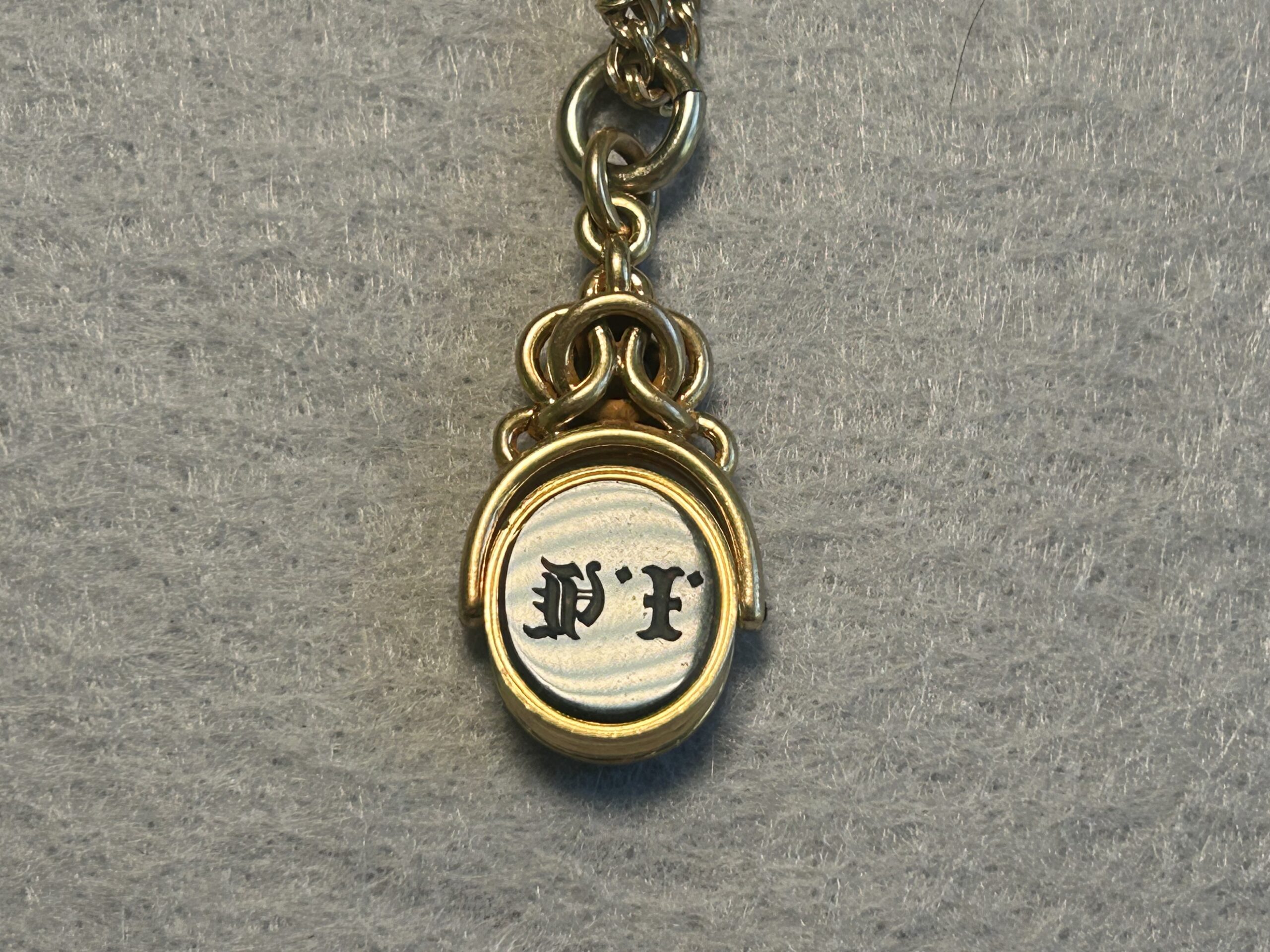
Object of Herbert Ingram, British Politician Who Died in the 1860 Disaster, Recovered from Lake Michigan and Delivered to Museum in Hometown.
A pocket watch, recovered from a deadly shipwreck in Lake Michigan, has finally been returned to the UK, 165 years after the accident that claimed its owner’s life. The object belonged to Herbert Ingram, a journalist and British politician from Boston, Lincolnshire. In 1860, Ingram died aboard the Lady Elgin, a steamship that sank after colliding with another vessel.
The Wreck of the Lady Elgin
The wreck of the Lady Elgin is considered one of the worst maritime disasters in the history of the Great Lakes. More than 300 passengers lost their lives in the accident.
Many of them were Irish-American soldiers from the Wisconsin Union Guard militia unit.
-
An abandoned weapons factory that still contains ammunition and military vehicles has been discovered.

-
Businessman puts modern 1,100 square meter fortress in Russia up for sale for $550,000, featuring high walls, archer towers, a 1.2-hectare plot, and an isolated location on the banks of the Don River.
-
Small shops in the interior of São Paulo have been around for up to 70 years, maintaining credit accounts, preserving artisanal preserves, and showing how small rural businesses have turned customers into friends, families, and guardians of stories that remain alive even after the advance of sugarcane, the end of coffee plantations, and the arrival of large commercial chains.

-
Chinese students build a 6.06-meter remote-controlled paper airplane, achieve a flight of almost 15 minutes, and turn a school pastime into an engineering project to attempt a world record.


The group was traveling after the governor of Wisconsin had confiscated their weapons. With the trip, they intended to raise funds for the purchase of new muskets and participate in a political rally in Chicago.
During the return to Milwaukee, the ship encountered severe weather and low visibility. In the early hours of September 8, 1860, the wooden schooner Augusta collided with the Lady Elgin.
The Augusta suffered little damage and continued on its journey. The Lady Elgin sank quickly, in just thirty minutes, off the northern coast of Illinois.
The Discovery of the Ship
It was not until 1989 that the Lady Elgin was located, near Highland Park. The discovery was made by Harry Zych, a private salvager.
At the time, a recent U.S. law, the Abandoned Shipwrecks Act of 1988, declared that abandoned vessels would be owned by the state. However, Zych argued that the Lady Elgin had never been legally abandoned, successfully obtaining property rights over the wreck in court.
As a result, the Lady Elgin became one of the few privately-owned shipwrecks in the world and the only one with this status in the Great Lakes, according to the Chicago Tribune.
The Finding of the Watch
In September 1992, divers exploring the wreck site discovered a gold pocket watch. The object was accompanied by a chain and a wax seal.
They kept the watch for years until they decided last year to contact Valerie van Heest, an archaeologist and historian who had studied the wreck in the 1990s.
Van Heest, a resident of Holland, Michigan, co-founded the Michigan Shipwreck Research Association and authored a book on the 150th anniversary of the Lady Elgin disaster, as reported by Steve Weinman from Divernet. She also curated an exhibit at the Chicago Maritime Museum on the subject.
Confirmation of Origin
To authenticate the origin of the watch, Van Heest enlisted the help of a watch expert. The case of the object bore the manufacturer’s name: John Bennet Company, Cheapside, England, known for producing high-quality watches in the 19th century. In addition, the wax seal featured the initials “HI,” carved in sardonyx stone.
As Herbert Ingram was the only passenger on board with those initials and also the only foreigner, identifying the owner was possible.
Ingram, who was also a Member of Parliament, often authenticated documents with a personalized wax seal, which further strengthened the connection to the watch.
Van Heest told BBC News that upon examining the item, she quickly realized that the object did not belong to America. Her desire became to return the watch to Ingram’s hometown, which has a statue of him in the town square.
The Return to England
Van Heest acquired the watch and donated it to the city of Boston, England. Coincidentally, the Boston Guildhall museum was preparing an exhibit about Ingram, titled “Herbert Ingram: Illustrating the News.” Ingram was also the founder of the Illustrated London News, the city’s first illustrated periodical.
When delivering the watch, Van Heest explained to WXMI that the return was the right action. “It reminds people that shipwrecks have affected families and shows that, 165 years later, we still care. People care about the lives lost.”
Sarah Sharpe from the Boston City Council expressed her excitement about the return of the artifact. “Since then, I have been absolutely thrilled,” she told BBC News. “Herbert Ingram was one of our most influential people.”





Be the first to react!