






 Portuguese
  Spanish
  3 min of reading
  0 comments


RenovaBio and the E30 Regulation: The Future of Biofuels in Brazil
The biofuels sector in Brazil is facing significant changes with the new regulation of the RenovaBio program and the introduction of E30, which requires a 30% ethanol blend in gasoline.
This way, these measures strengthen sustainability in the Brazilian energy matrix. Moreover, they reduce carbon emissions and boost the renewable energy sector.
According to the website Biomassa BR, RenovaBio was created in 2017 and took effect in 2019, establishing targets for reducing the carbon intensity of fossil fuels.
-
US$ 7 billion, green hydrogen, and steel with up to 95% less CO₂: the first green steel plant on the planet emerges in Sweden and targets Brazil as the next chapter

-
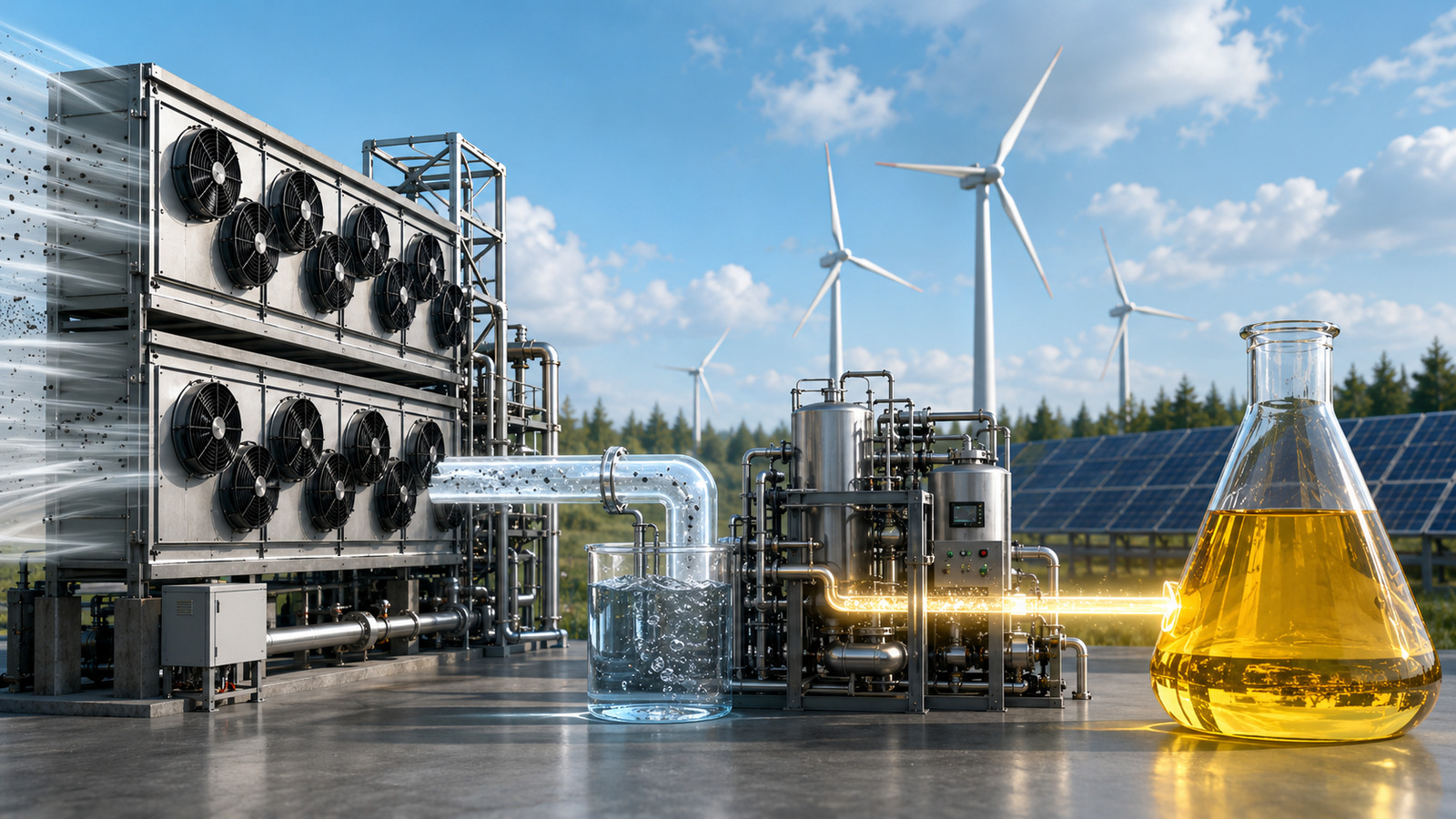
Swedes manage to create synthetic fuel with CO₂, water, and renewable energy, compatible with current engines, but face a huge problem: the energy expenditure is still double the return.
-
Brazil begins to transform wheat, residues, sweet potatoes, and soy molasses into ethanol, in a new phase of biofuels that seeks to utilize leftovers from the field and industry to fuel flex-fuel cars.

-
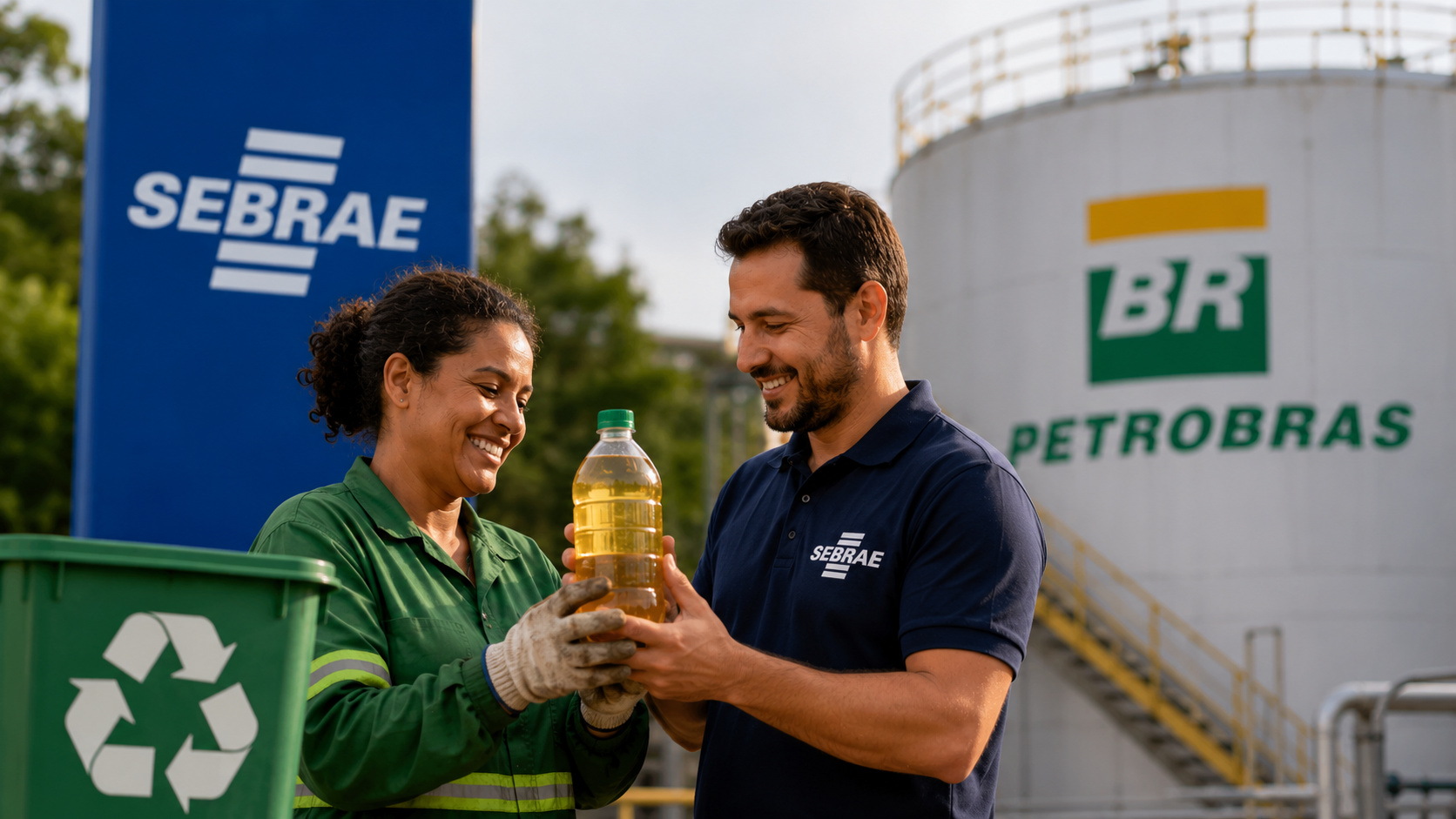
Sebrae and Petrobras join forces in Ceará to include waste pickers in the circular economy and strengthen the biofuel chain, creating new income opportunities and expanding the sustainable use of waste with a direct impact on regional development.


The E30 is part of an energy transition plan that began in 2024, which anticipates gradual changes in the country’s fuel matrix.
What Is RenovaBio?
The RenovaBio program encourages the use of biofuels in Brazil and contributes to meeting the goals of the Paris Agreement.
Additionally, the program sets decarbonization targets for fuel distributors and uses Decarbonization Credits (CBIOs) as an economic incentive for producers of ethanol, biodiesel, and biomethane.
This way, the new measures increase the transparency and efficiency of the program, ensuring that the biofuels sector grows sustainably.
<pThus, distributors that do not meet their targets will face stricter penalties.
According to the website Ministry of Mines and Energy, in 2023, the government adjusted the rules to enhance oversight over the CBIOs and ensure greater fairness in the market.

How Does E30 Impact the Economy and the Environment?
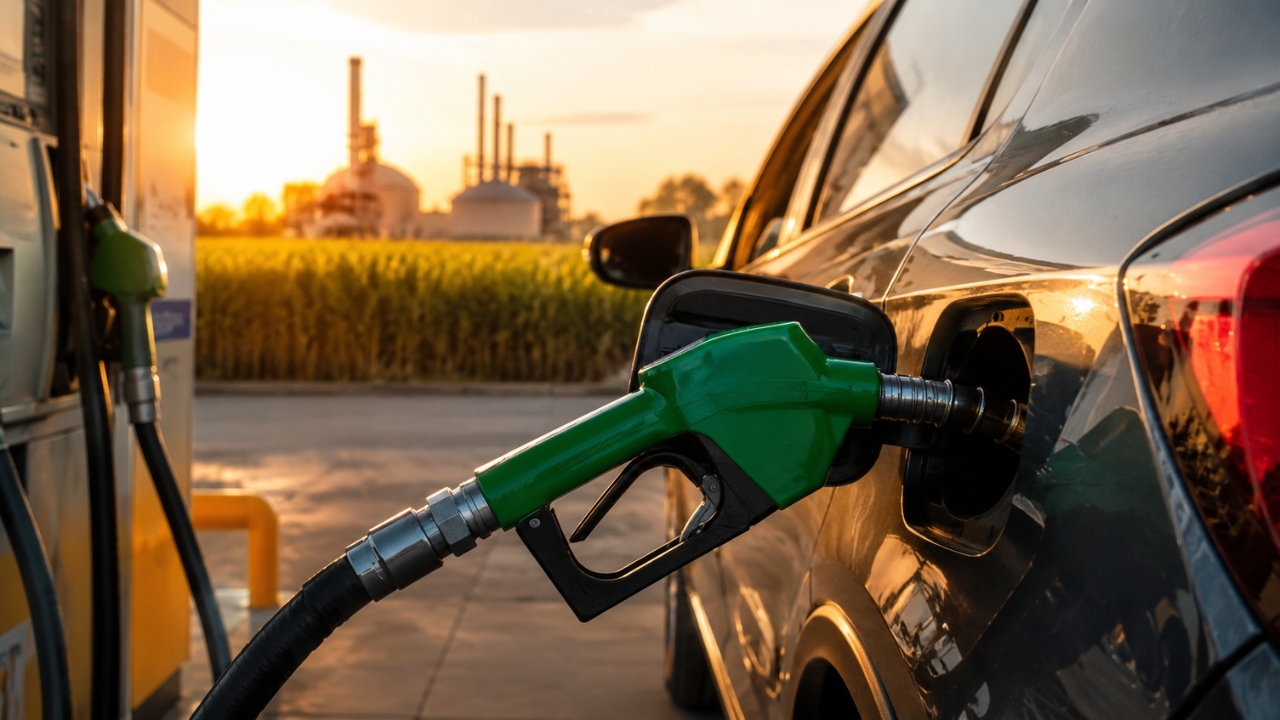
The E30 regulation requires gasoline to contain 30% ethanol, which represents a significant increase compared to the previous blend.
Thus, this measure brings several benefits:
- Reduction of Dependence on Fossil Fuels – Increased use of ethanol decreases the need to import oil, making Brazil more self-sufficient.
- Lower Emission of Pollutants – Ethanol, being a renewable biofuel, emits less CO₂ when burned. Consequently, this reduces environmental impacts.
- Increased Demand for the Sugar-Energy Sector – The rise in ethanol production drives sugarcane harvesting. Additionally, it generates more jobs.
- Stimulus for Innovation – The need to improve biofuel production encourages new investments in research and technology.
According to the National Petroleum Agency (ANP) website, the introduction of E30 will follow a gradual schedule until 2026, when the blend will be applied to the entire national fleet.
New Investments in the Biofuels Sector
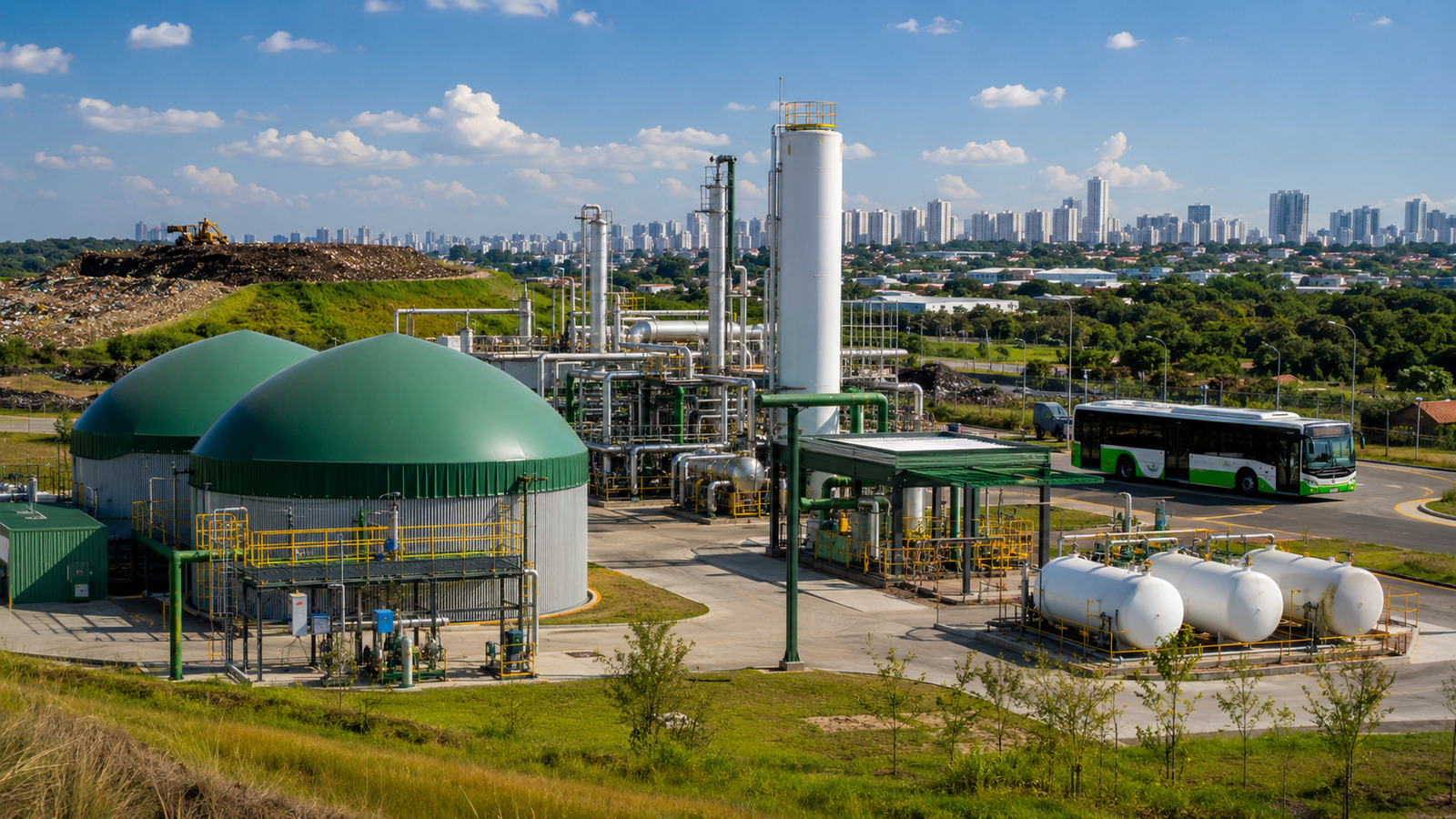
The government announced new investments in the production of biomethane and e-methanol, which strengthens the energy transition.
Furthermore, Pernambuco will host the first e-methanol plant in Brazil, consolidating the country at the forefront of sustainable fuel production.
According to the Federal Government website, the biomethane plant in Pernambuco will begin operations in 2025.
This way, it is expected that the production of this biofuel will significantly reduce carbon emissions in the industrial and logistics sectors.
The biofuels sector in Brazil has great growth potential.
Thus, measures such as E30 and the modernization of RenovaBio ensure the country’s leadership in this market.
Therefore, companies in the sector should monitor these changes to maintain competitiveness and contribute to a more sustainable future.
The Future of Biofuels in Brazil
The regulation of E30 and the new guidelines from RenovaBio promote advancements for the biofuels and renewable energy sector.
This way, Brazil is moving towards a cleaner economy.
Additionally, it reduces dependence on fossil fuels and fosters innovation in the sector.
According to the Agência Brasil website, the government aims to increase the use of renewable fuels by 2030, with projections that ethanol and biomethane will play an even more significant role in the energy matrix.
For more information on energy policies, ethanol, and biomethane, keep following our updates on the biofuels market in Brazil.







-

1 person reacted to this.