





 Portuguese
  English
  Spanish
  5 min of reading
  0 comments


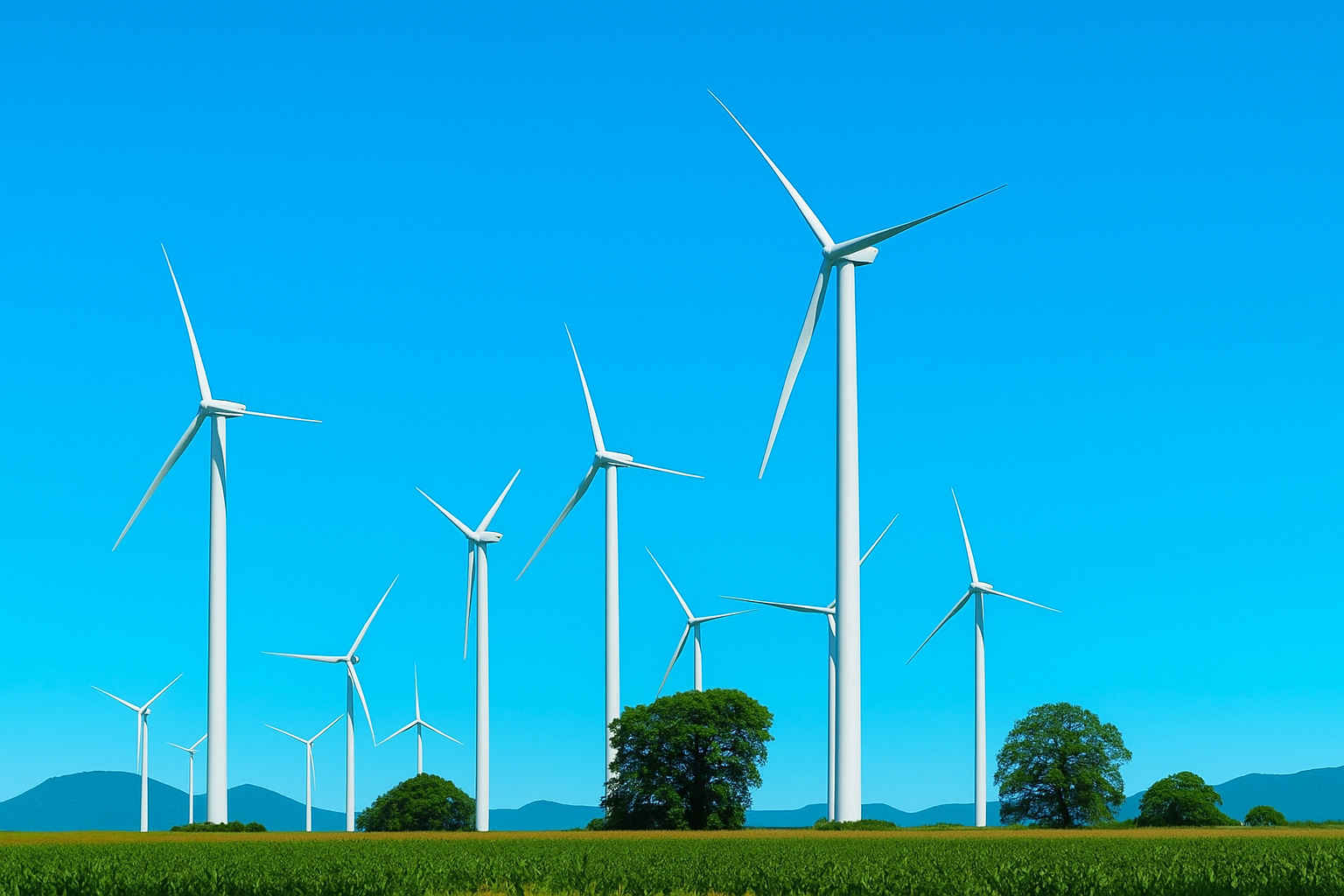
Despite The Record In Renewable Energy, The World Still Faces Great Challenges To Meet The Global Climate Goals By 2030.
The Advancement Of Renewable Energies Marked A Historic Moment In 2024. According To The International Renewable Energy Agency (IRENA), The World Added 582 Gigawatts (GW) Of New Renewable Capacity, The Largest Increase Ever Recorded In A Single Year.
However, Despite This Achievement, The World Still Cannot Fully Meet The Global Climate Goals.
Therefore, It Is Essential To Understand That Growing Alone Is Not Enough; It Is Necessary To Act In A Coordinated And Strategic Manner.
-
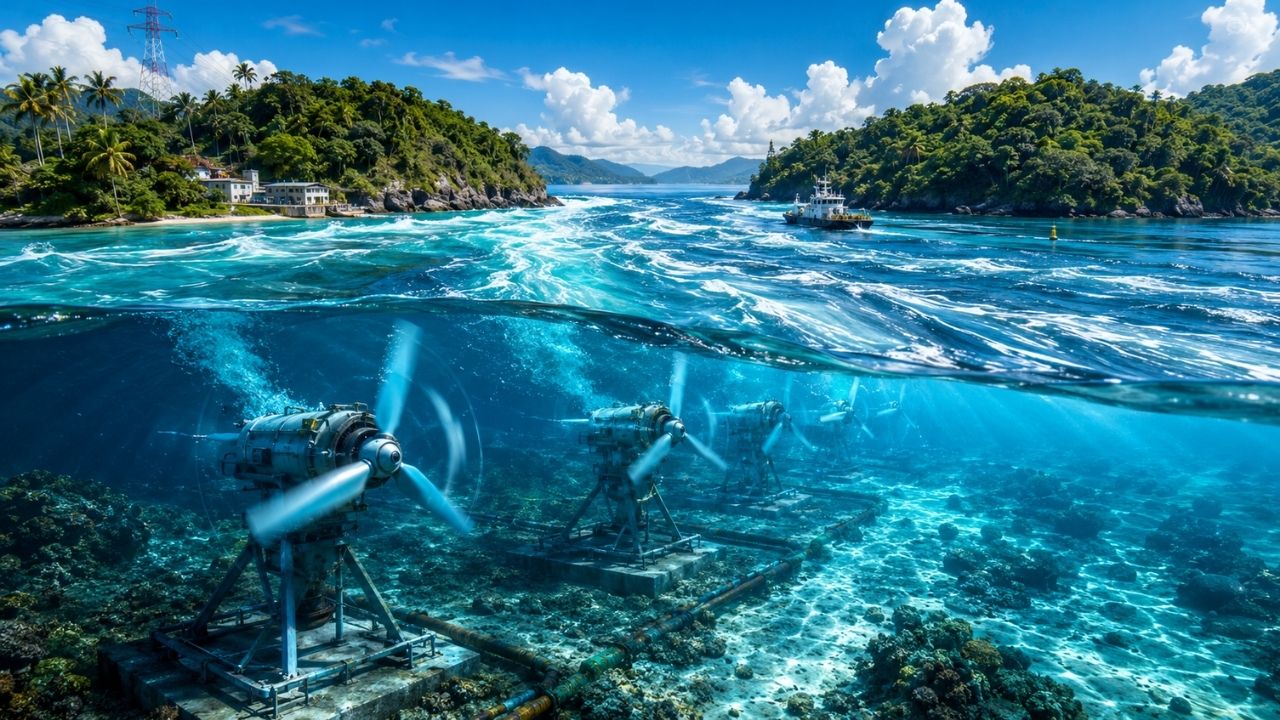
Forget common renewable energy: HydroWing prepares a 10 MW project in Indonesia to transform ocean currents into predictable electricity, using turbines installed on the seabed in a region where the funnel effect between islands increases tidal potential.

-
The world could operate on clean electricity by 2050, but a study indicates that this would require up to 20 TW of renewable energy, more than 9 million hectares for solar, and strong cooperation between countries.

-
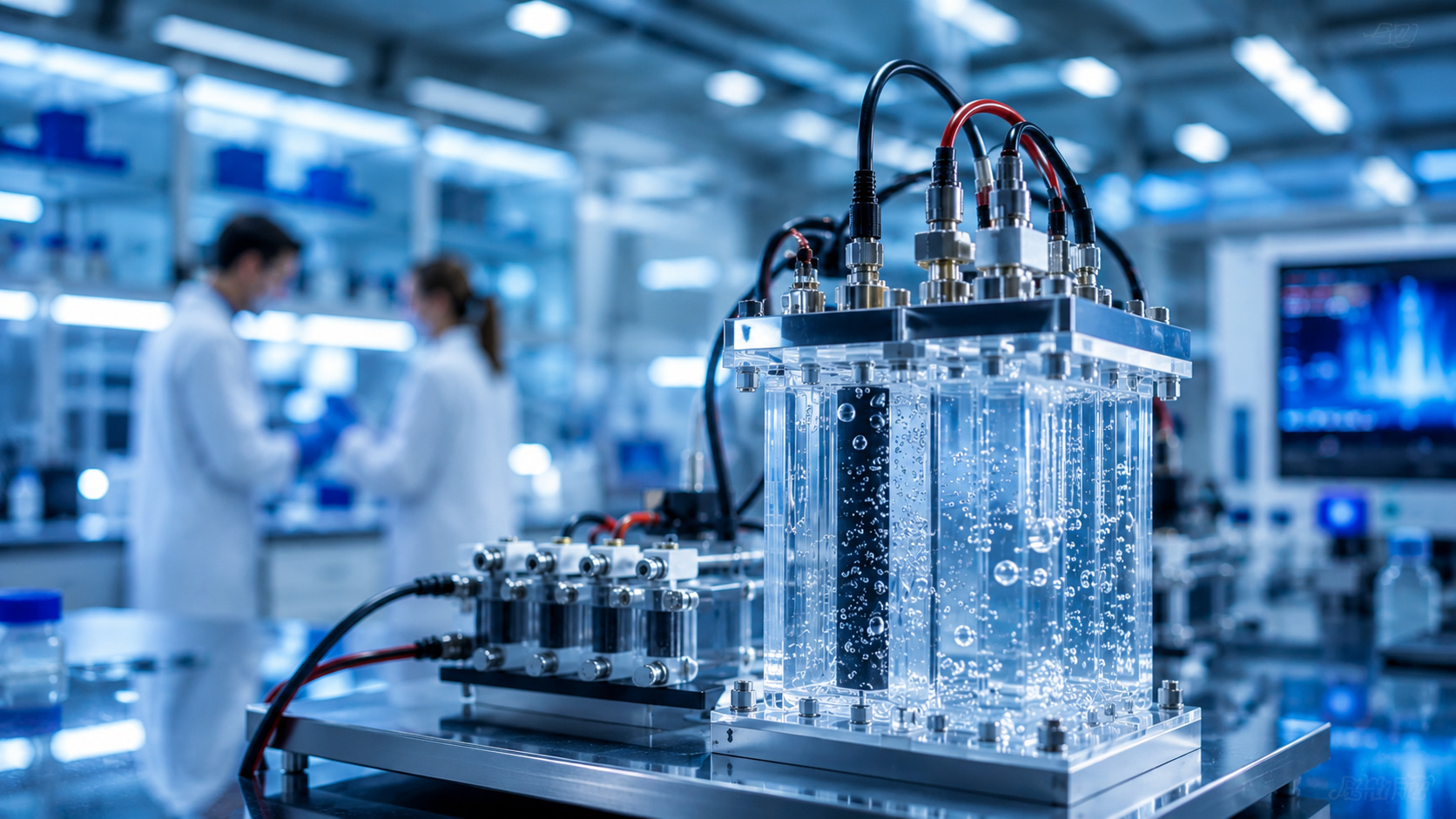
New catalyst developed by scientists in the USA enhances the performance of water electrolysis without using platinum, reducing operational costs and expanding the potential of green hydrogen as a strategic alternative for industries, heavy transportation, and clean energy generation.
-
China implements basalt fibers tested on the Moon to contain the desert’s advance in 1 million hectares, and the program surprises scientists worldwide.


Since The Signing Of The Paris Agreement In 2015, Countries Have Committed To Limit Global Warming To 1.5°C Above Pre-Industrial Levels.
In Addition, They Need To Triple The Installed Renewable Capacity By 2030, Reaching 11.2 Terawatts (TW) Globally.
The COP28 In Dubai Reaffirmed This Goal And Highlighted That The Expansion Of Clean Sources Needs To Accelerate Significantly.
Thus, Short-Term Actions Are Decisive To Ensure Compliance With Global Goals.
Currently, To Achieve The 2030 Target, The Planet Needs To Add About 1,122 GW Per Year Starting In 2025, Which Represents An Annual Increase Of 16.6%.
Thus, The Growth Recorded In 2024, Although Impressive, Still Does Not Guarantee That The Climate Goals Will Be Met.
Consequently, It Is Necessary To Combine Generation Expansion With Improvements In Energy Efficiency And Consistent Public Policies.
A Historical Overview Of Energy And Its Impact
Throughout History, The Energy Sector Has Always Driven Economic And Technological Development.
In The 19th Century, The Industrial Revolution Used Coal As Its Main Engine, Which Later Gave Way To Oil And Natural Gas In The 20th Century.
However, The Intensive Use Of Fossil Fuels Brought Severe Consequences, Such As Increased Carbon Dioxide Emissions And Global Warming.
Thus, The 21st Century Became The Period Of Energy Transition, Focusing On Clean And Sustainable Sources.
During The Second Half Of The 20th Century, Countries Like Germany, Denmark, And Japan Began Investing In Small-Scale Wind And Solar Energy.
These Investments Created Technological Bases That Today Support Global Expansion.
In Addition, This Historical Learning Shows That Implementing Renewable Energies Requires Long-Term Planning, Constant Research, And Consistent Public Policies.
This Way, It Is Possible To Better Understand The Current Challenges.
Despite Recent Advances, Experts Warn That Energy Efficiency Grows Very Slowly.
In 2024, Global Energy Intensity Increased By Only 1%, While An Increase Of About 4% Per Year Would Be Necessary To Meet The 1.5°C Limit.
Therefore, It Is Not Enough To Generate Clean Energy; It Is Necessary To Use It Better And More Rationally.
The Energy Transformation Involves Technology, Social Behavior, Public Policies, And Strategic Investments.
Consequently, Every Action Counts To Keep The Global Goals Within Reach.
One Of The Biggest Obstacles To Achieving The Climate Goals Is Financing.
The Report From IRENA And The Global Renewables Alliance (GRA) Indicates That Annual Investments Need To Reach About $1.4 Trillion Between 2025 And 2030, More Than Double The Amount Invested In 2024.
Thus, Resources Are Essential Not Only To Expand Renewable Energy Generation But Also To Modernize Power Grids, Strengthen Supply Chains, And Boost Clean Technology Manufacturing.
Global Voices And The Sense Of Urgency
World Leaders Reinforce The Sense Of Urgency.
António Guterres, UN Secretary-General, Warns That The Growth Of Clean Energy Is Unstoppable, But The Window To Keep The Limit Of 1.5°C Is Closing Rapidly.
Francesco La Camera, Director-General Of IRENA, States That Renewable Energies Represent The Most Profitable Solution And The Biggest Economic Opportunity Of Our Time.
Ben Backwell, President Of GRA, Highlights That 75% Of Investments Come From The Private Sector, Making It Essential To Create Long-Term Policies That Provide Security And Predictability For Investors.
Since The 1990s And 2000s, The International Community Has Debated The Need To Reduce Carbon Emissions And Increase The Share Of Clean Sources.
Conferences Such As Rio ’92, The Kyoto Protocol, And The Paris Agreement Itself Have Shaped The Path Towards A New Energy Era.
However, Many Countries Still Heavily Depend On Oil And Coal, Especially In Emerging Economies.
The Role Of Major Economies, Such As The G20 And G7, Is Crucial To Changing This Scenario.
The Report Shows That The G20 Is Expected To Represent Over 80% Of Global Renewable Capacity By 2030, Meaning That Their Political And Economic Decisions Directly Impact The Fulfillment Of Climate Goals.
G7 Countries Need To Increase Their Contribution To 20% Of Global Capacity, With Financial Commitments That Promote Energy Transition Even In Developing Countries.
Thus, Every Decision Counts.
International Financing And Necessary Infrastructure
Another Important Aspect Is International Climate Financing.
Developed Nations Have Committed To Allocate $300 Billion Per Year To Support Clean Energy Projects In The Most Vulnerable Countries, With The Aspirational Goal Of Reaching $1.3 Trillion In Annual Investments.
Therefore, These Resources Ensure That The Energy Transition Is Just And Inclusive, Preventing The Widening Of Inequality Among Nations.
The Transition Is Not Limited To The Installation Of Solar Panels And Wind Turbines.
It Is Necessary To Invest In Modern Infrastructure Capable Of Storing And Distributing Energy Efficiently.
The Power Grids Of The Future Must Be Smart, Flexible, And Decentralized.
Experts Estimate That About $670 Billion Annually Will Be Needed To Update And Expand Transmission Networks, Ensuring Stability And Security In The Supply Of Clean Energy.
In Addition, Developing New Storage Technologies Such As High-Capacity Batteries And Green Hydrogen Will Help To Deal With The Intermittency Of Some Renewable Sources.
Environmental, Social, And Economic Benefits
Renewable Energies Offer Broad Social And Environmental Advantages.
They Reduce Greenhouse Gas Emissions, Improve Air Quality, Decrease Respiratory Illnesses, And Strengthen The Energy Security Of Countries.
Moreover, They Promote Technological Innovation And Create Millions Of Green Jobs, Boosting Local Economies.
Another Positive Impact Is Universal Access To Energy, Especially In Isolated Communities Where Decentralized Solutions Transform Realities.
The Adoption Of Clean Energies Also Stimulates Local Supply Chains And Small Industries, Contributing To Regional Development.
Countries That Invest In Training And Technology Can Generate Sustainable Energy And Export Knowledge And Products Related To The Energy Transition.
Therefore, The Benefits Multiply.
Even With The Challenges, The Outlook Is Promising.
Clean Energies Have Become Cheaper And More Competitive Than Fossil Fuels In Much Of The World.
Solar And Wind Energy Saw Cost Reductions Of Over 80% In The Last Decade, Becoming Accessible Even For Small Consumers.
Consequently, The Energy Transition Is Necessary And Economically Advantageous.
A Promising Future, But With Challenges
Now, It Is Necessary To Align Political Will, Financial Resources, And International Cooperation.
The Climate Goals Will Only Be Achieved If Governments, Businesses, And Civil Society Work Together.
The COP30, Presided Over By Brazil, Emerges As A New Opportunity To Review Commitments And Strengthen National Energy And Climate Plans.
Success Will Depend On The Global Capacity To Transform Commitments Into Concrete Actions.
Therefore, Although 2024 Recorded A Historic Record In The Expansion Of Renewable Energies, The Challenge Remains Enormous.
The Energy Transition Is Underway, But It Needs To Speed Up So That The World Can Achieve Climate Goals And Ensure A Sustainable Future.
The Climate Clock Does Not Stop, And Every Lost Year Makes The Path To Carbon Neutrality More Difficult.
However, If Humanity Acts With Determination And Cooperation, Renewable Energies Can Support A New Era Of Prosperity, Environmental Balance, And Global Security.








Be the first to react!