Portuguese
  Spanish


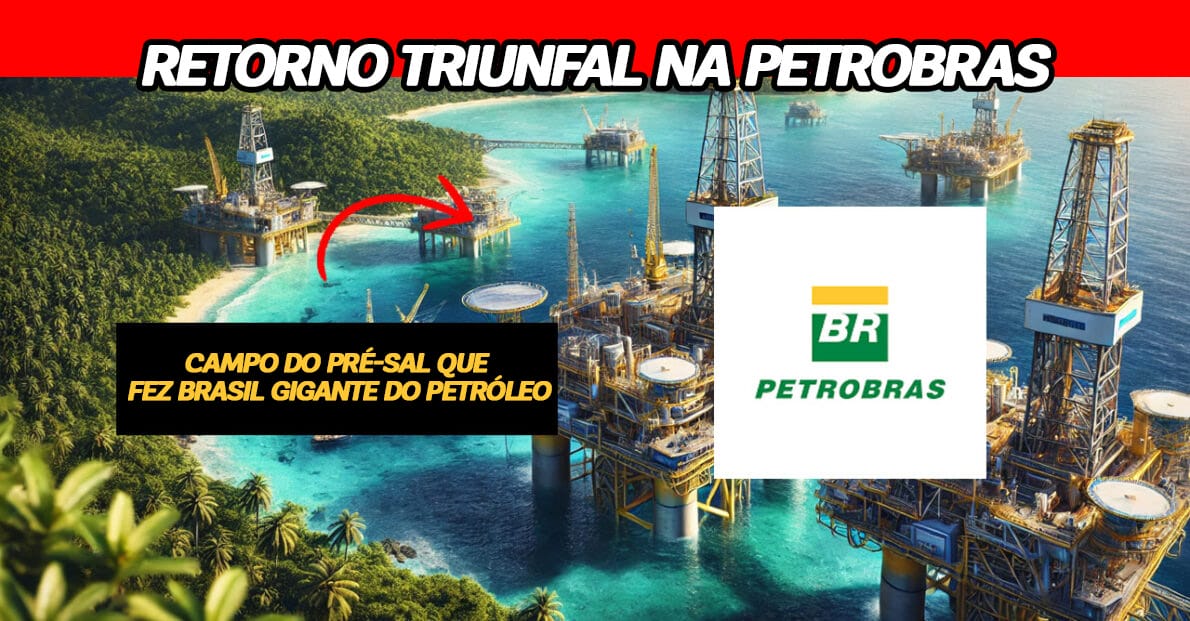

Petrobras Is About to Revitalize Field After Agreement with the ANP. The Plan Aims to Increase Production and Extend Operations Until 2064.
Petrobras, one of the largest energy companies in the world, is preparing for a return that promises to change the landscape of oil production in Brazil.
After years of uncertainties and disputes, the state-owned company is advancing in negotiations that could unlock one of the most valuable fields in the country’s history, reopening an era of prosperity in the oil and gas sector.
The Tupi field, located in the Santos basin, was once a symbol of Brazilian success, but does it still have the strength to bring Brazil back to the top?
-
OPEC+ Boosts Oil Supply by 188,000 Barrels per Day in July 2026, Leading to Price Drop from $112 to $89 per Barrel in Under Two Months

-
TotalEnergies Signs 20-Year Deal to Purchase 2 Million Tons of LNG from Alaska, Boosting Project Viability
-
Turkey Deploys Çağrı Bey Drilling Ship to Explore New Oil Frontier Off Somalia’s Coast
-
Golden Pass LNG Ships First Liquefied Gas Cargo from the U.S., Completing $10 Billion QatarEnergy and ExxonMobil Investment

According to information from Bloomberg published this Saturday (05), Petrobras is very close to ending a long tax dispute with the National Agency of Petroleum, Natural Gas and Biofuels (ANP), which would allow the state-owned company to resume an ambitious project: the revitalization of Tupi.
This field, known as Petrobras’ “cash cow,” was crucial for putting Brazil among the largest oil producers in the world and may now be the key to a new phase of growth.
The Strategic Importance of Tupi
The Tupi field, discovered in 2006, revolutionized Brazil’s energy sector.
Situated in deep waters of the pre-salt Santos basin, it was responsible for propelling the country to the status of a major oil exporter in the 2010s.
Only Tupi produced an impressive average of 764,000 barrels per day in the first eight months of 2024, keeping Brazil competitive in the global energy landscape.
Now, Petrobras seeks to prolong the life of this field through a strategic plan to drill new wells and conduct more advanced seismic research.
According to Petrobras’ executive for exploration and production, Sylvia dos Anjos, the company hopes that this plan will help curb the natural decline in production, which has been a challenge for global oil giants.
The Global Impact of Tupi
In 2023, Tupi outperformed entire countries, such as Colombia, Venezuela, and the United Kingdom. This highlights the size and importance of the field, which continues to be one of Petrobras’ largest assets.
With more than a decade of operation, it has already generated billions of dollars in taxes, being a true gold mine for the Brazilian government.
Other countries are also watching closely. The decline in production from similar fields, such as the giant Cantarell in Mexico, serves as a warning for Petrobras.
The Mexican experience showed that the lack of planning and new drilling can lead to a sharp decline in production, which would be catastrophic for Brazil’s finances, which heavily rely on oil revenues.
Ambitious Plans for the Future
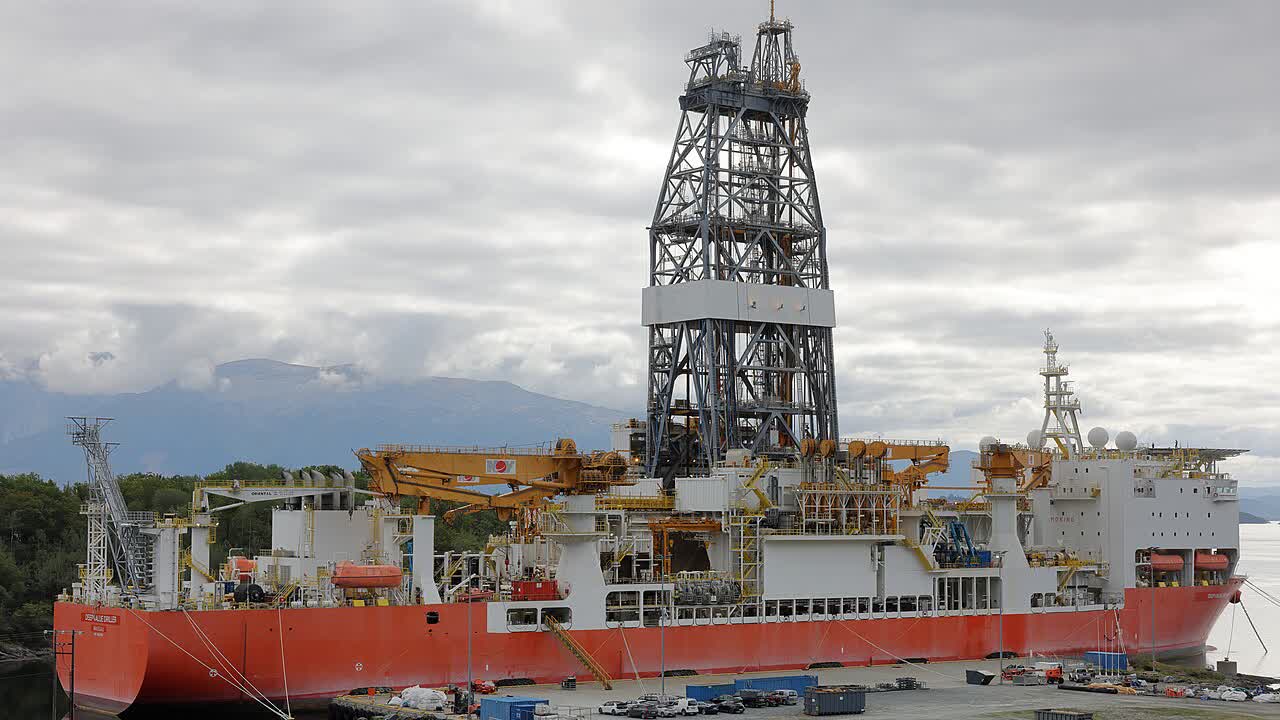
Petrobras has grand plans for Tupi. As stated by Cesar Cunha de Souza, executive manager for ultra-deep waters, the company intends to install a new FPSO-type platform (floating production, storage, and offloading unit) in the field, which could significantly increase production capacity.
It is estimated that each of these platforms could cost up to US$ 4 billion and take years to complete.
The new strategic plan from Petrobras, which will be updated in the coming months, also foresees extending the operation contract for Tupi for another 27 years, until 2064.
According to Bloomberg, this extension is crucial to justify the billion-dollar investments being planned for the revitalization of the field.
Dispute with the ANP and the Tax Issue
However, the advancement of these projects depends on a crucial issue: the resolution of a dispute with the ANP. The regulatory agency and Petrobras disagree on the classification of the Tupi field.
Petrobras claims that it consists of two separate deposits, Tupi and Cernambi, while the ANP maintains that it is a single field.
This difference directly affects the calculation of the financial compensations the company must pay to the Brazilian government.
Petrobras has already deposited about R$ 14 billion in court deposits due to alleged unpaid special participations.
According to Bloomberg, Petrobras initiated an arbitration process but suspended negotiations in search of an amicable agreement.
Petrobras’ partners in the field, Shell and Galp Energia, which hold stakes of 25% and 10%, respectively, still need to approve this suspension.
The Future of Tupi
Despite the challenges, Petrobras is optimistic about the future of Tupi. The company believes it will not only extend the life of the field but also increase its production in the coming years.
According to Sylvia dos Anjos, Tupi still has significant untapped potential, and Petrobras is determined to make the most of it.
In August 2024, crude oil production in Tupi reached 830,000 barrels per day again, after the completion of maintenance on one of the platforms.
This shows that, even after more than a decade of exploration, the field still has much to offer.
The Búzios field, which is another major bet for Petrobras, is also expected to play an important role in the company’s future, but Tupi will continue to be the heart of Brazil’s oil production.
With the right investments and resolution of legal disputes, Tupi could solidify Brazil as one of the leading players in the oil market for many years.
Do you think the revitalization of the Tupi field could be what Brazil needs to regain its leadership in the oil sector? Or should the country seek more sustainable energy alternatives? Leave your opinion in the comments!