






 Portuguese
  Spanish


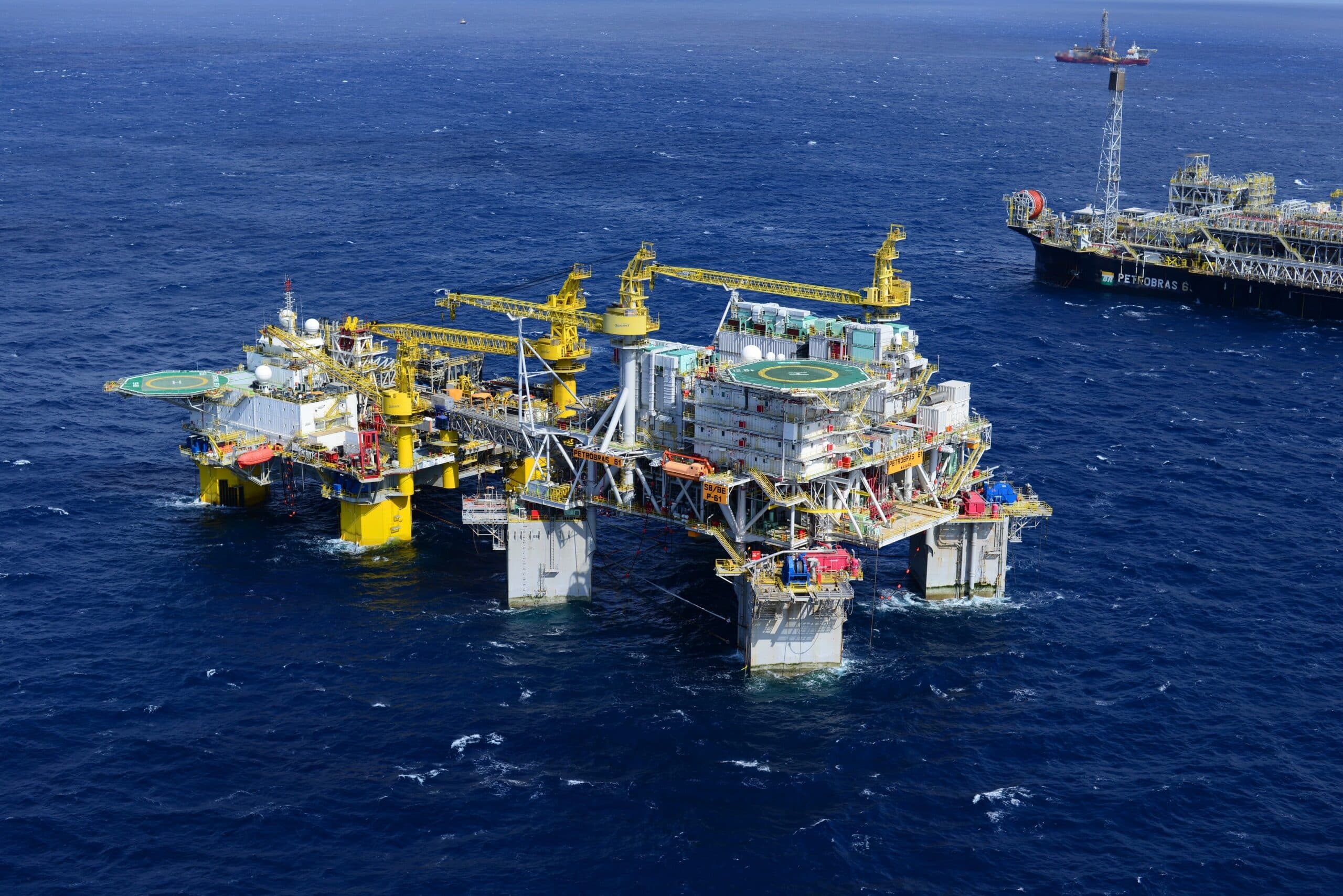

According to BHGE President Alejandro Duran, It Is Possible to Double Recovery in the Campos Basin in 20 Years with US$ 12 Billion
According to information from BHGE President Alejandro Duran during a lecture at the Onip Arena at OTC 2019 in Houston, the revitalization of mature fields in the Campos Basin could yield US$ 12 billion in investments over the next 20 years. Duran presented data showing that with investments of US$ 12 billion, it would be possible to raise the recovery factor in the Campos Basin to 46% in 20 years, up from the current 14%, with direct effects on job creation and government revenue from royalties.
“There is absolutely no one who will lose by putting energy into enabling these projects in the turbidite reservoirs of the Campos Basin (…) when we look back at this Basin, it starts to bring back technology within the redevelopment of the Campos Basin, the production potentials, the increase in production, are extremely high,” stated the BHGE president.
-
Over 2,000 Tons of Discarded Fishing Nets Since 2020 Repurposed into Durable Caps, Fins, and Parts

-
Seals and Sea Lions Lose Habitat and Food as Climate Change Advances, Impacting Ice, Prey, and Coastal Communities

-
Brazilian Innovator Uses 3D-Printed Device to Cool Two Rooms with One Air Conditioner
-
China Uses 432 Robots to Move a 7,500-Ton Historic Building in Shanghai, Preserving Architecture While Creating Space for Underground Center


The assets of the Campos Basin, where Petrobras predominates – which shifted its focus to developing the pre-salt, ended in 2018 with the lowest production in decades and is experiencing its worst phase in many years, recording the decline of its main assets, including the deactivation of old field units and an average production of 1.2 million barrels/day.
The Director-General of ANP, Décio Oddone, emphasized that the agency is pressing Petrobras to sell projects or return contracts where it has no plans for new investments, as has happened in shallow waters and onshore assets. “Petrobras, when choosing to concentrate its investments on the pre-salt, rightly, at the same time stopped investing in other areas. Notably, the Campos Basin, mature fields in the Northeast. We see an opportunity for more investment. If it is not interested, then this process must be carried out swiftly to avoid impacts on oil production and royalty revenue.”
The President of BP in Brazil, Adriano Bastos, spoke at the ONIP Arena, taking place at OTC 2019, and on Wednesday, May 8, advocated for access to existing infrastructures to help develop shallow water projects and revitalize mature fields in the country.
“If we do not have the capacity to unlock access to the infrastructure, we will not be able to revitalize mature fields and the projects in shallow waters,” he commented, noting that BP – which operates in deep water and pre-salt projects – understands that independent producers’ projects are important to ensure the operation of the entire ecosystem of goods and services supply in the country.
BP has stakes in 21 oil and gas assets in the country. It is a partner of Petrobras in pre-salt projects. In the 5th pre-salt auction held in 2018, it won the operation of the Pau Brasil exploratory block in partnership with Ecopetrol and the Chinese CNOOC.


