Portuguese
  Spanish


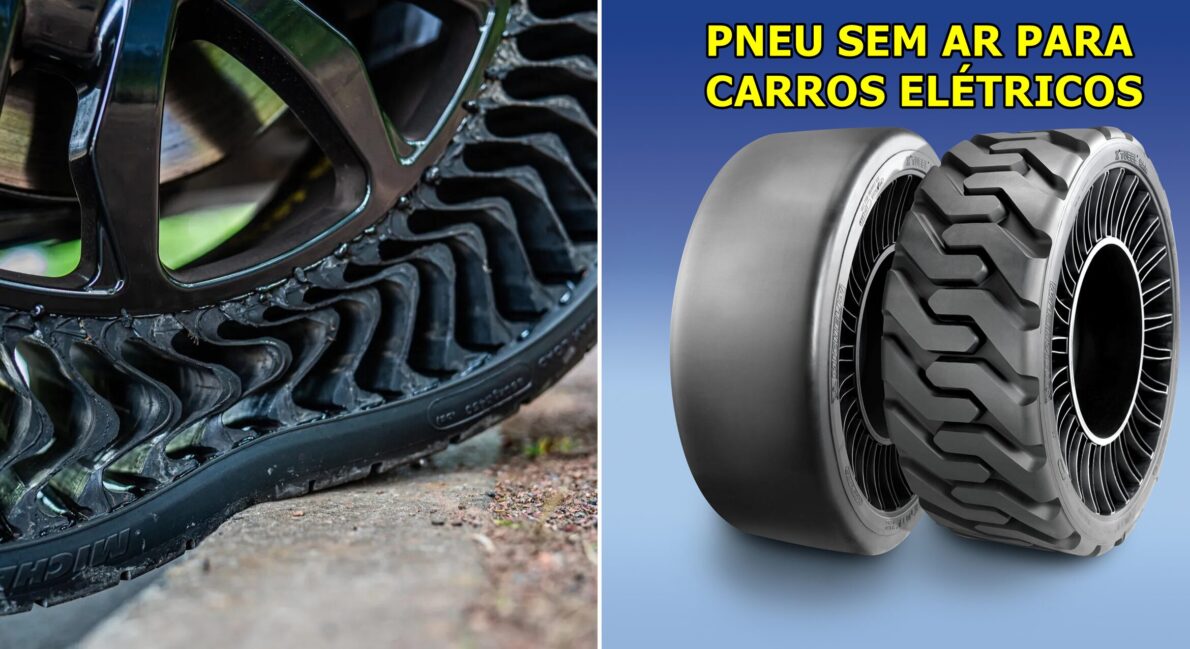

Innovation That Will Transform the Industry: Michelin’s Airless Tire Points the Way to the Future of Robotaxis, Electric Vehicles, and Other Mobility Solutions
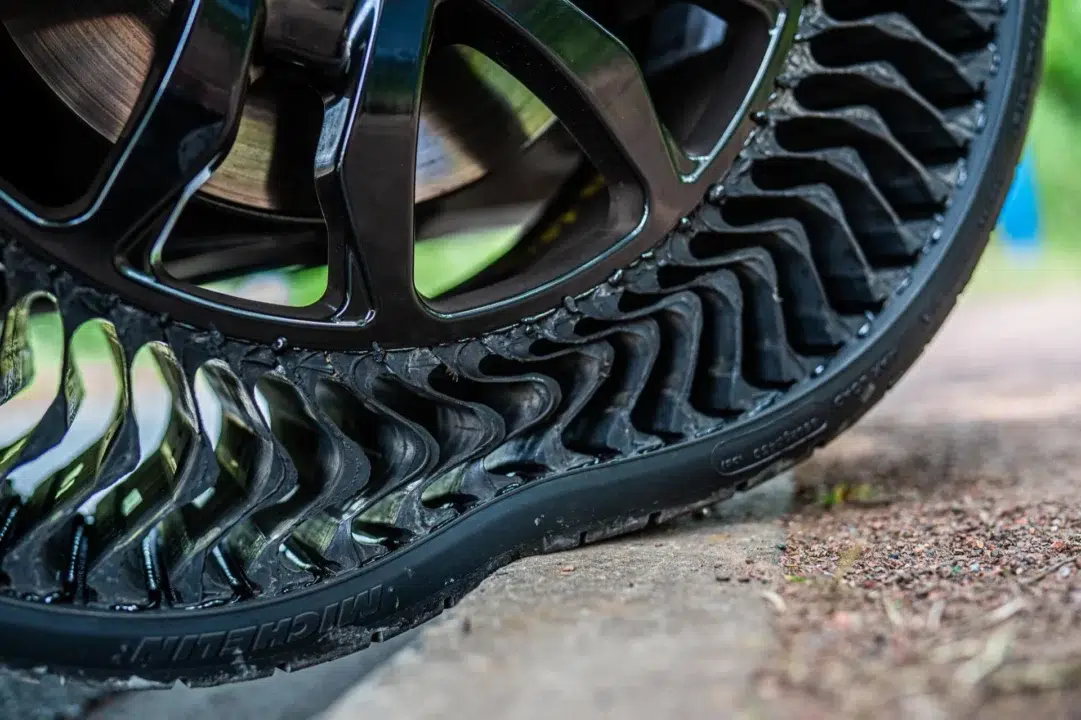
Michelin, known for its conventional tires, is now paving the way for the future with its technology of airless tires. Cyrille Roget, the company’s director of scientific and technical communications, recently stated to Green Car Reports that he firmly believes in this innovation for several reasons.
He highlighted that globally, 20% of tires are discarded prematurely due to damages such as punctures and sidewall cuts. With approximately 1.6 billion tires reaching the end of their useful life annually, this represents about 320 million tires that could be saved by the new technology.
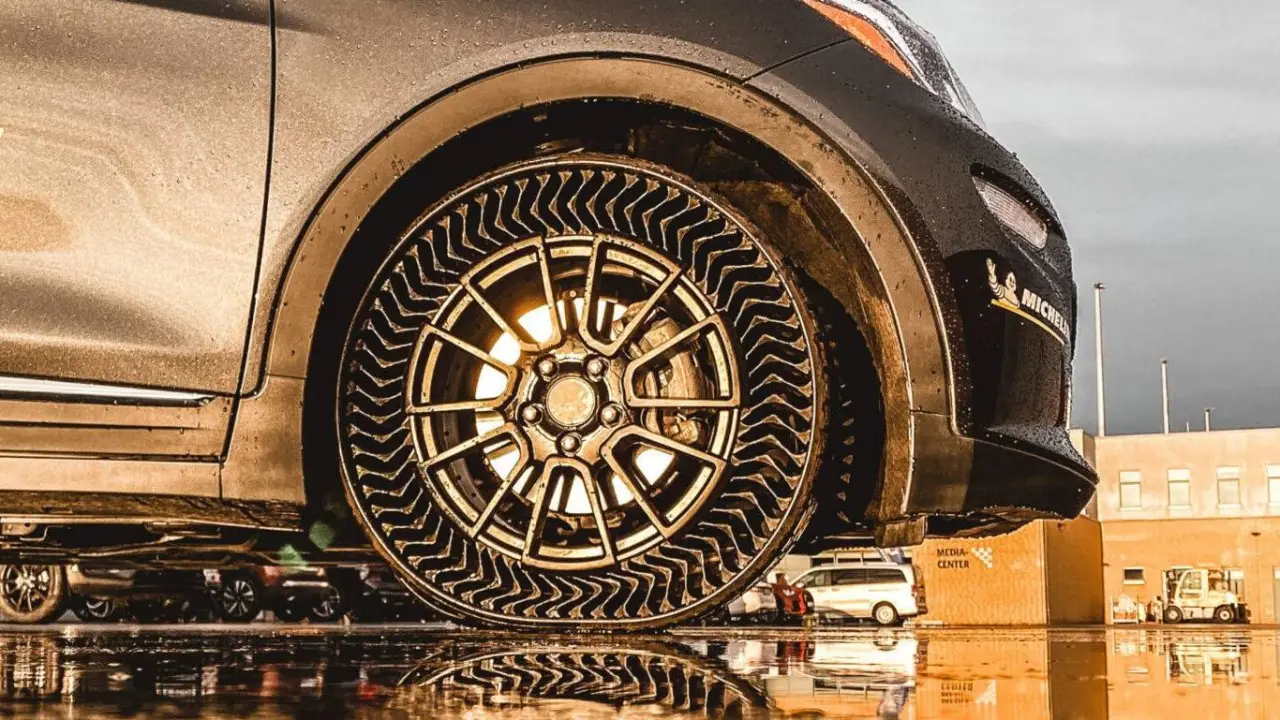
Innovation with the Michelin Uptis
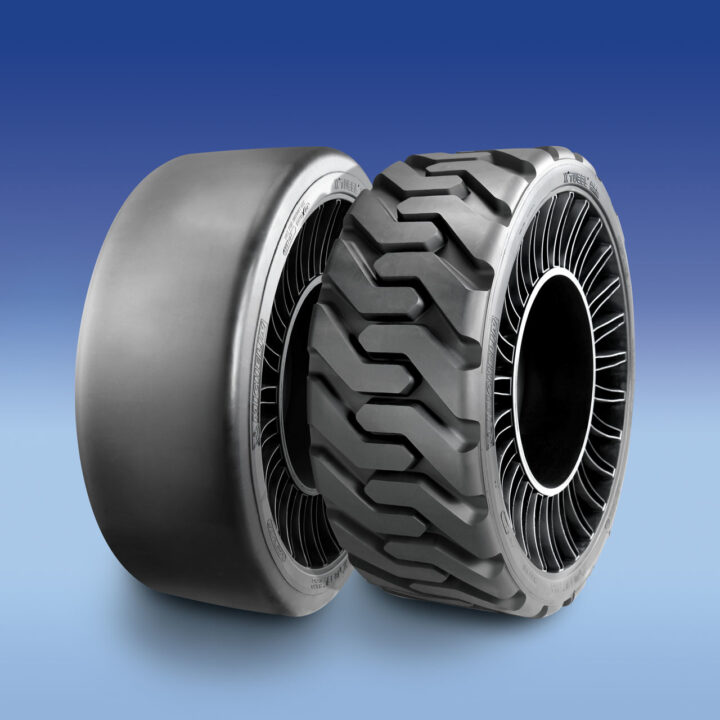
The Michelin Uptis (Unique Puncture-proof Tire System) is a prototype that not only aims to minimize environmental impact but also provide tangible benefits in terms of durability and maintenance. Airless tires weigh more than traditional ones, but eliminate the need for replacement and maintenance equipment, such as jacks and pressure sensors. Additionally, these tires provide a safer and more consistent ride, preventing punctures and blowouts.
-
Chinese Giant Invests $1.3 Billion in Brazil to Produce 50,000 Cars Annually, Create Jobs, Develop Local Suppliers, and Manufacture Electric, Hybrid, and Combustion Models by 2027

-
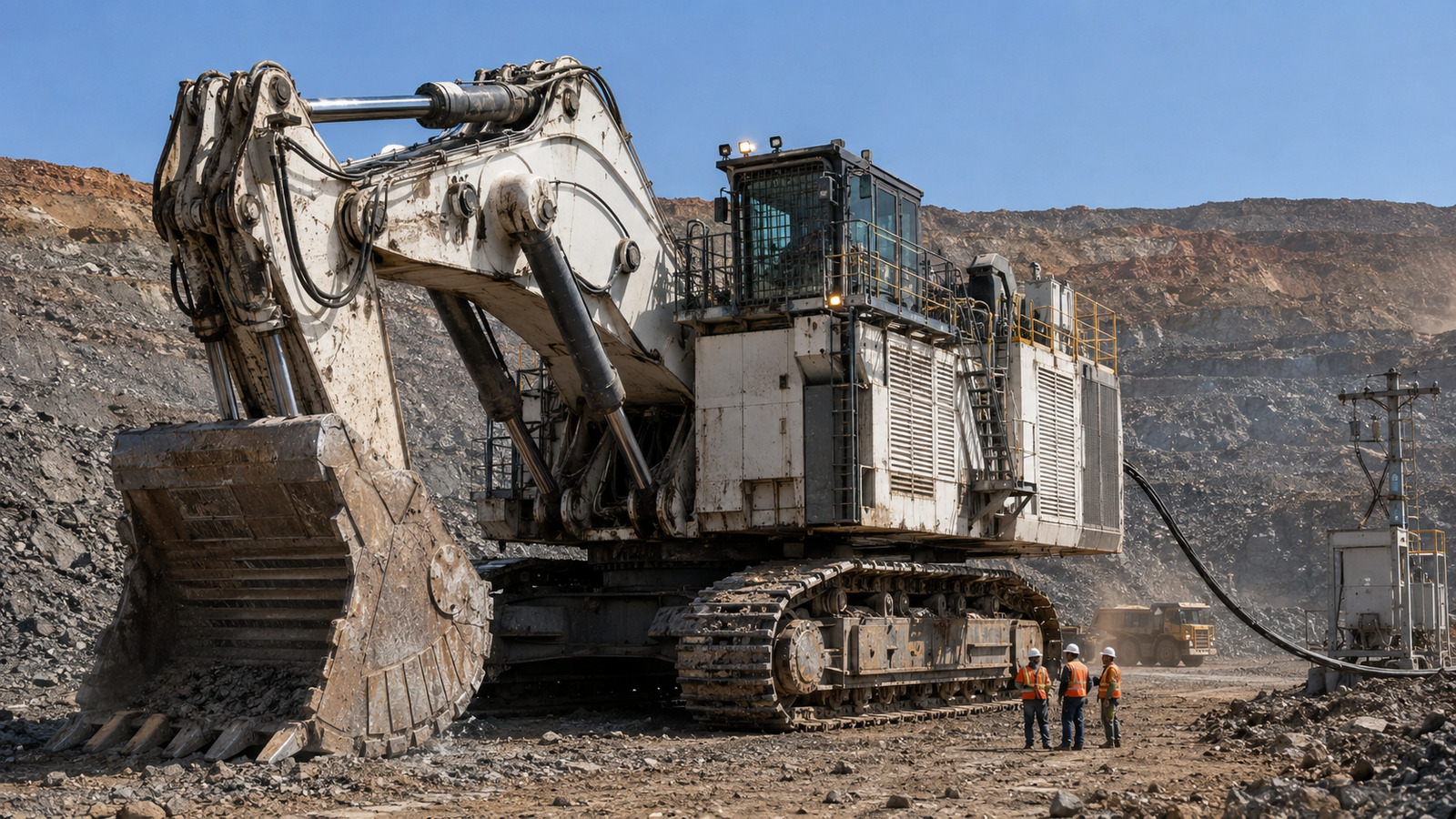
Unprecedented achievement in India: a colossal 650-ton, nearly 3,000 hp excavator is transformed into 100% electric, marking a new phase in heavy mining.
-
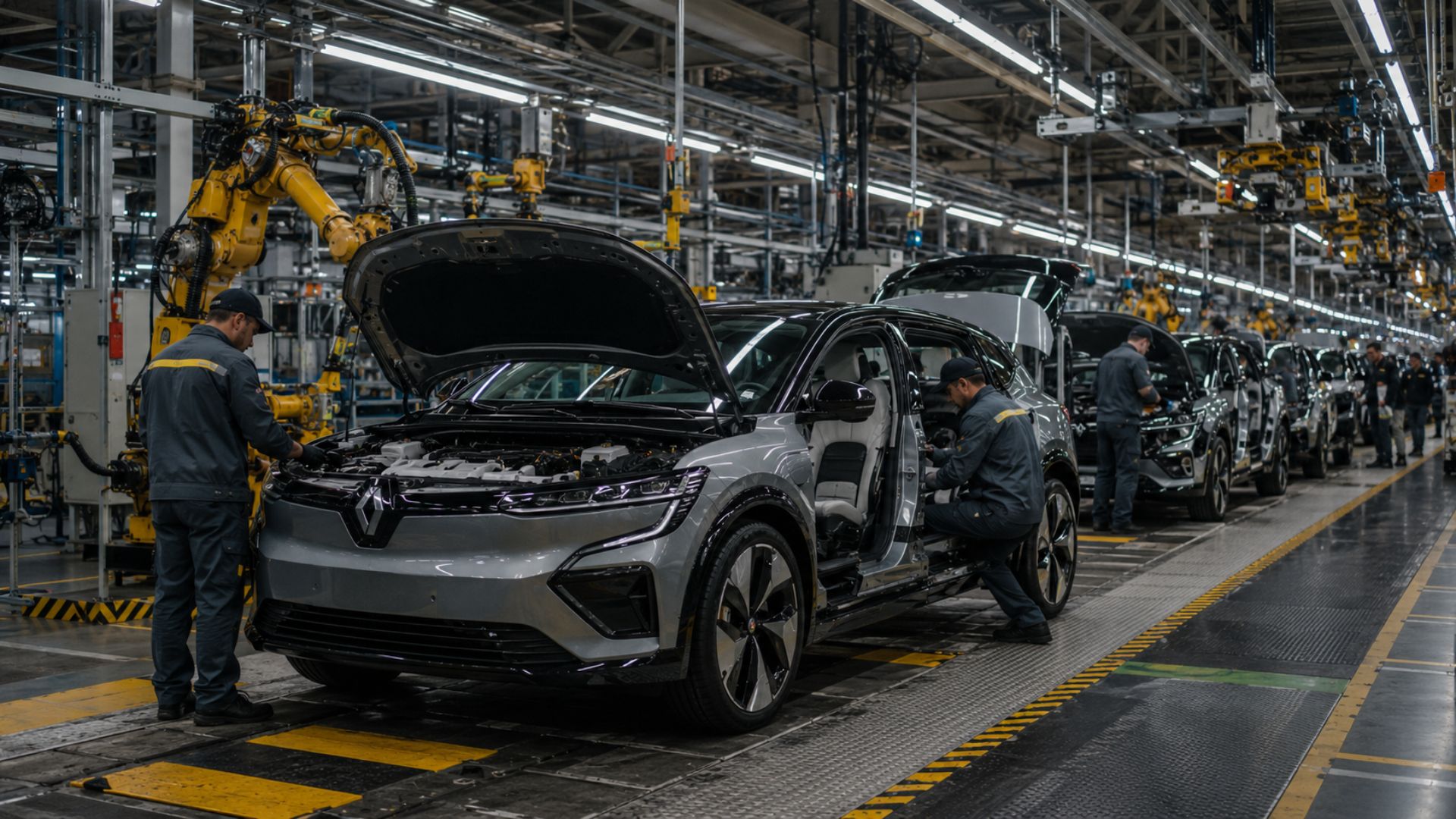
Frightened by the speed of Chinese manufacturers, Renault decided to mimic the pace, made the new electric Twingo in just 21 months, wants to repeat the feat with 36 models by 2030, and along the way, will cut up to 2,400 engineering positions.

-
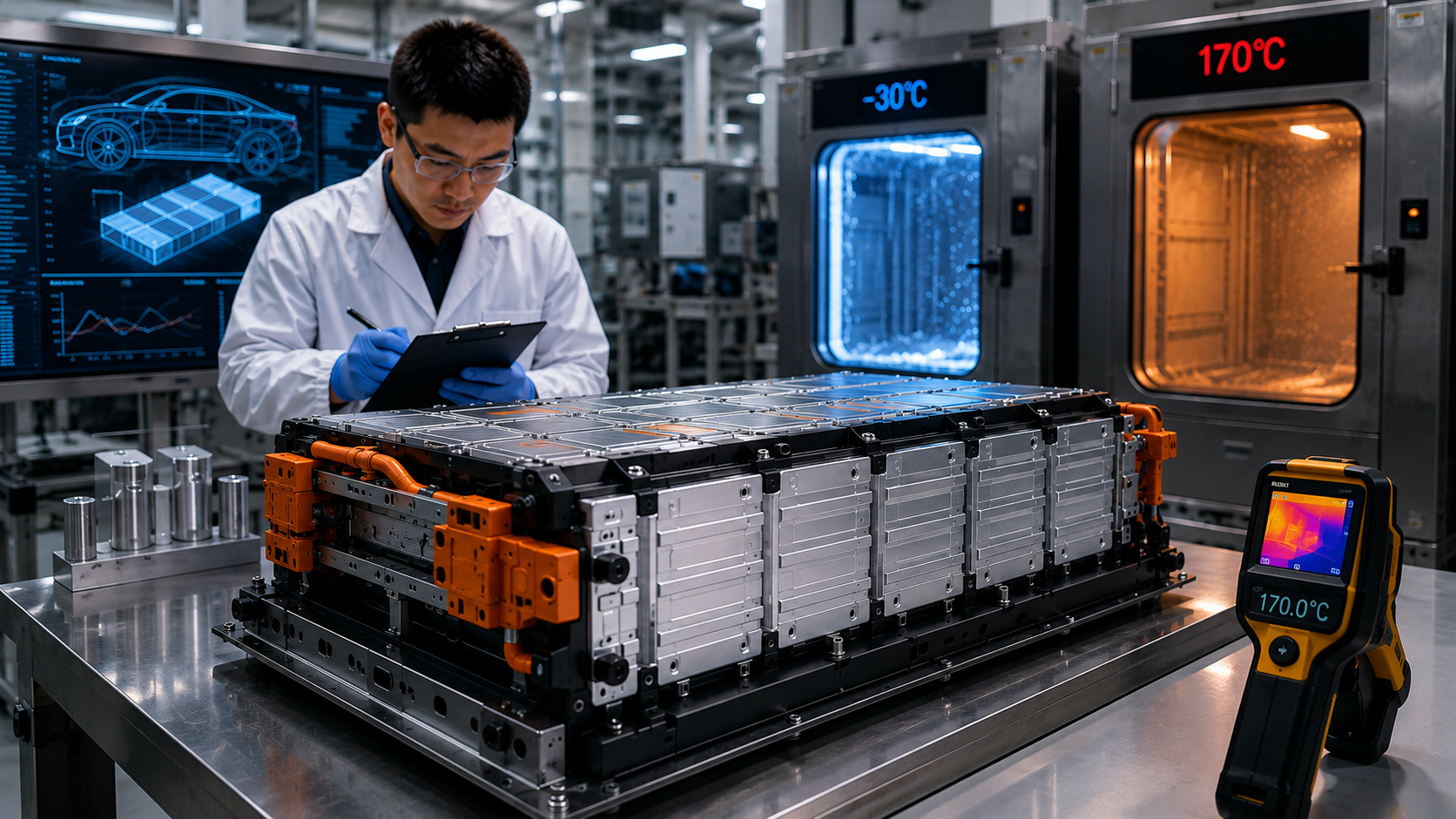
Chinese battery from Dongfeng promises to exceed 1,000 km without relying on liquid electrolyte, and the detail behind the technology could change the electric car competition.

Michelin suggests that airless tires are ideal for electric vehicles due to their higher weight and for autonomous vehicles or ridesharing services, which require high availability and less maintenance.
Development and Testing
In 2019, Michelin and GM collaborated to test the Uptis on the Chevy Bolt EV. Although the conclusions of these tests have not yet been disclosed, the technology promises to be a revolution. Additionally, in 2023, Michelin began testing with DHL Express in Singapore and with the French postal service La Poste, equipping about 50 vehicles from each fleet with Uptis tires to collect valuable data.
This technology, still in the prototype stage, is new territory for Michelin, which has over 130 years of experience with conventional tires. According to Roget, there is much to learn about the design, production, and approval of these new tires, with tests scheduled until the end of 2025.
Strategic Partnerships and Future
Michelin is also in negotiations with Tesla to explore the use of Uptis in future robotaxis, combining it with technologies such as wireless charging for electric vehicles. Although it is a prototype, Michelin has obtained an exception to test the tires under real road conditions.
Other manufacturers, such as Hankook, Bridgestone, and Goodyear, are also exploring airless tires. Toyota and Sumitomo revealed concepts in 2017 that needed improvements in rolling resistance, a challenge still present in this new category of tires.
Sustainable Innovations and Future Vision
In addition to the Uptis, Michelin is developing new materials for its tires, including fiberglass, to achieve performance comparable to modern tires. These tires have been tested internally and have covered over two million miles.
The company is also focusing on more sustainable solutions for electric vehicles, which tend to wear tires out more quickly. This includes the development of tires with sustainable materials, which may contain 42% or more recycled or renewable content in prototypes expected for 2025. Additionally, Michelin is revitalizing retreading technology for trucks, allowing multiple reuse of the tire structure.
Michelin’s innovations are not just technical talk, but a real step toward a more sustainable and efficient industry, with the Uptis at the forefront of this revolution. These developments show that the company not only envisions a future without air-filled tires but also a continuous commitment to improving and sustaining its products.