






 Portuguese
  Spanish
  3 min of reading
  19 comments


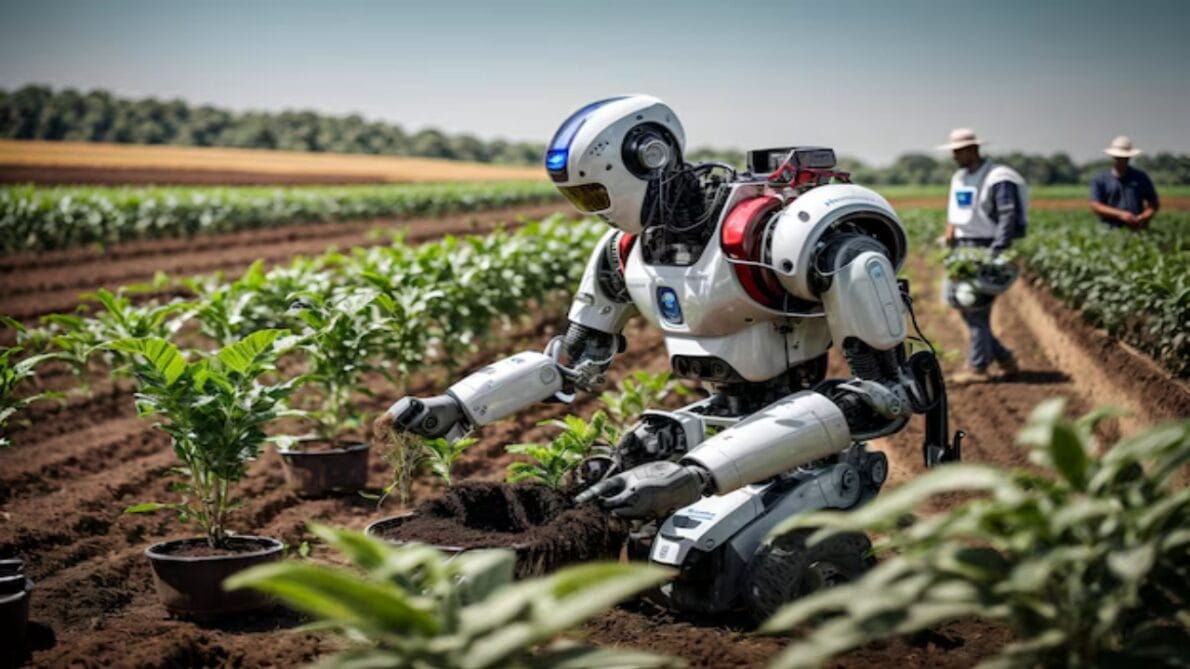

The Substitution of Human Labor by Solar-Powered Robots Is Particularly Advantageous for Dangerous Tasks and in Unhealthy Environments
Imagine a future where drones fly over fields, solar-powered robots take care of harvesting, and intelligent sensors monitor every detail of the soil. This future is already a reality in Brazil, where precision agriculture and advanced robotics are transforming agricultural production from north to south of the country.
From large farms to small producers, technology is revolutionizing the way we cultivate and care for our food, making the process more efficient, safe, and sustainable. Discover how these innovations are shaping the future of Brazilian agriculture and solving historical challenges in the sector.
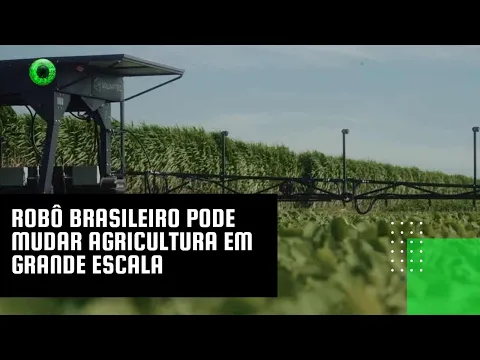

Brazilian Agriculture Uses State-of-the-Art Robots to Address Production Bottlenecks
In Brazil, agriculture is adopting state-of-the-art robots to enhance agricultural production. The advancement of technology in the field, with automation and robotics applied to biosystems, has brought innovative solutions for plant, animal, and forestry production.
-
Brazilian Joins Homeownership Consortium, Faces Decade of Dual Payments Totaling $141,000, Surpassing Traditional Mortgage

-
Low-Demand Brazilian Beef Offal Gains Popularity Abroad: Indonesia Purchases $19.5 Million, Boosting Revenue and Reducing Waste
-
Soy Expansion in Former Brazilian Savanna Sparks Water and Land Conflicts in Major Agricultural Frontier
-
Land Rover to Halt Production in July, Putting 371 Jobs at Risk, as Chinese Automaker Negotiates to Convert Factory to 100,000 Vehicles Annually by 2027


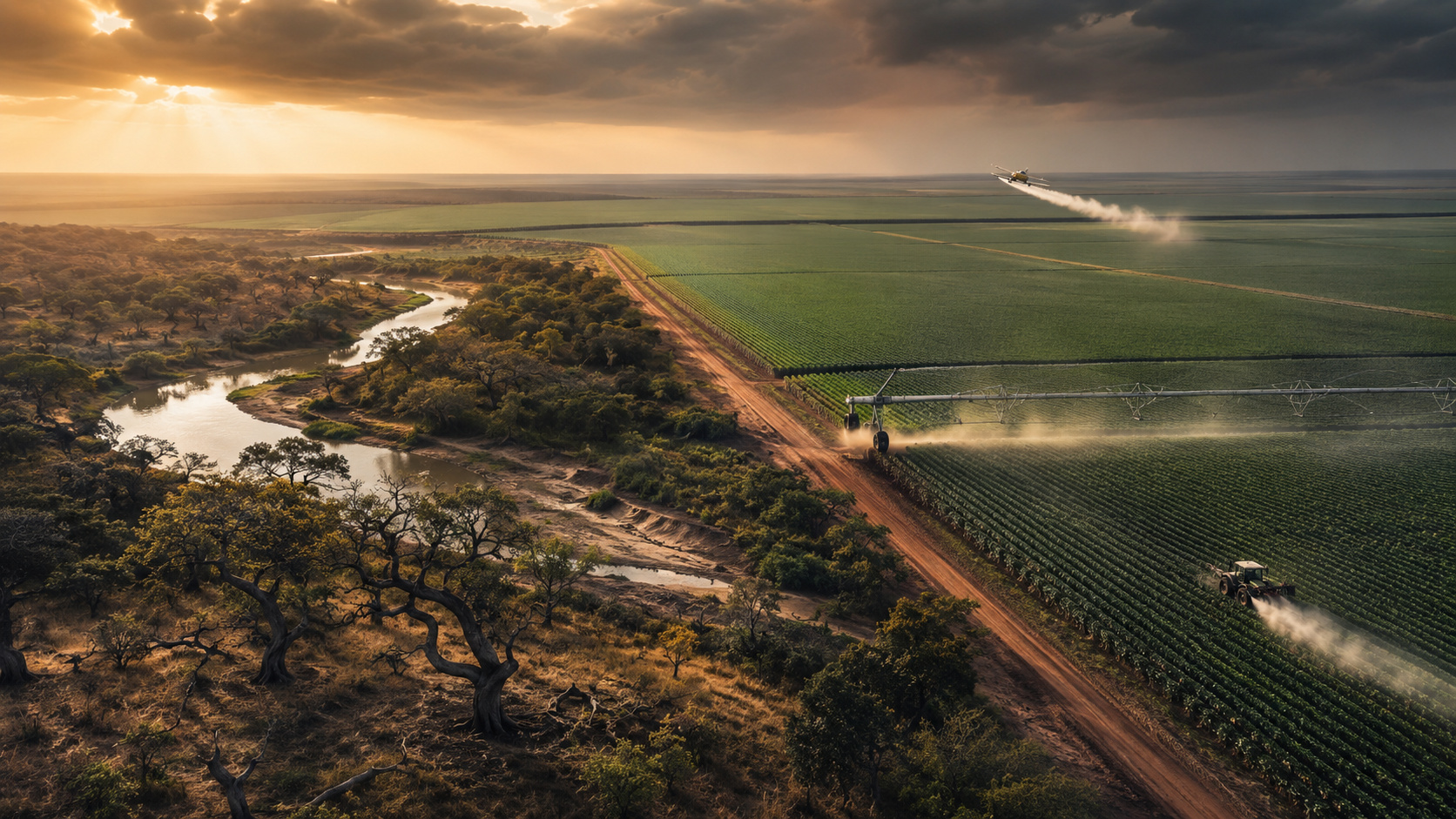

Professor Roberto Fray, from the Department of Biosystems Engineering at Esalq and a researcher in machine learning and artificial intelligence, discusses the transformations driven by these advancements.
According to the professor, agriculture is one of the areas with the greatest potential for the efficient application of robotics. “In recent years, agriculture has advanced significantly, thanks to new sensors, modern equipment, and artificial intelligence. This has revolutionized our view of digital, animal, and agricultural production systems. Furthermore, the substitution of human labor by robots is particularly advantageous for dangerous tasks and in unhealthy environments,” explains Fray.
With the Advancement of Solar Panels, Robots Operate Almost Exclusively on Solar Energy
Various types of robots are being implemented in different areas of agriculture. Drones and wheel-driven robots are the most common today. “Drones perform detailed surveys of the terrain, plant characteristics, and environmental mapping. This was something extremely difficult to do for some crops, where dense and tall vegetation hindered access to the production field. Ground robots are efficient in harvesting, planting, irrigating, and spraying large areas,” details the professor.
The energy sources used by robots are predominantly renewable. “Energy has always been a challenge for producers. With the advancement of solar panels, we have robots that operate almost exclusively on solar energy, solving a problem that has existed since the 1960s: the maintenance of robots in areas without available electricity. The new solar panels greatly facilitate addressing this issue,” clarifies Fray.
Accessible Technology Benefits Both Large and Small Producers
The professor emphasizes that robot models are becoming more accessible, benefiting both large and small producers. “Drones and terrain mapping technologies are particularly useful for large productions. For small producers, ground robots that perform various tasks are more relevant, and the technology is becoming more accessible. Initially, the technology reaches large producers due to their greater investment capacity, but declining costs tend to make it viable for small farmers as well,” explains Fray.
He adds that work is being developed to further reduce the costs of applying robots, through so-called modular robots. “Currently, each robot is designed for a specific task, such as harvesting or planting. Modular robots, on the other hand, could perform multiple tasks with a single machine,” concludes the professor.





Gostei muito desta tecnologia.
O robô para afazeres domésticos ,
quando seria inventado?
O Agro ainda prefere a mão-de-obra escrava e não vai trocá-la tão cedo.
É, acho estamos precisando de robôs substituindo a mão de obra humanas, afinal estamos em falta de mão de obra.