Portuguese
  Spanish


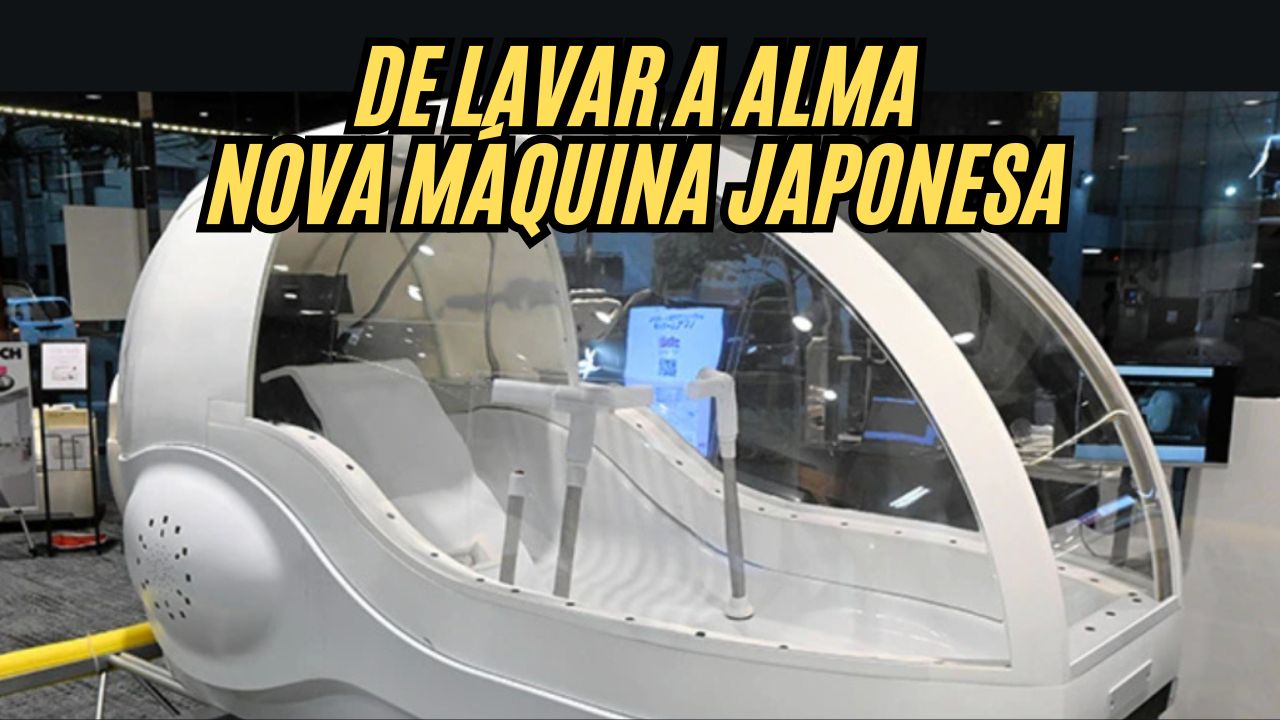


After More Than Five Decades, The Revolutionary Idea of The “Human Washing Machine” Is About to Make a Comeback with Full Force. The Relaunch Is Scheduled to Take Place at The Expo Osaka Kansai in April 2025, in Japan.
The “human washing machine”, which caused a stir at the 1970 World Expo in Japan, is undergoing a complete reinvention, both in design and technology. The original version, presented by Sanyo Electric Co. (now Panasonic Holdings), did not achieve commercial popularity. However, Science Co., a Japanese company based in Osaka specializing in showers, decided to revive the idea and update it for modern times.
Cutting-Edge Technology for a Unique Experience
Named “Mirai Ningen Sentakuki” (human washing machine of the future, in free translation), the device promises to offer an innovative experience. According to the Asahi newspaper, the machine will be one of the main attractions of Expo Osaka Kansai 2025, where visitors will not only be able to photograph the equipment but also experience a futuristic bath.
The president of Science Co., Yasuaki Aoyama, stated in a recent lecture in Japan that the development of the new machine is already 70% complete. “We plan to offer 1,000 visitors the opportunity to use it during the expo,” he revealed. In addition, the company plans to launch versions for home use, turning the concept into a practical and accessible solution.
-
Scientists Convert Food Waste into Aviation Fuel, Successfully Test 50% Blend with Conventional Kerosene to Cut Emissions and Promote Sustainable Flights

-
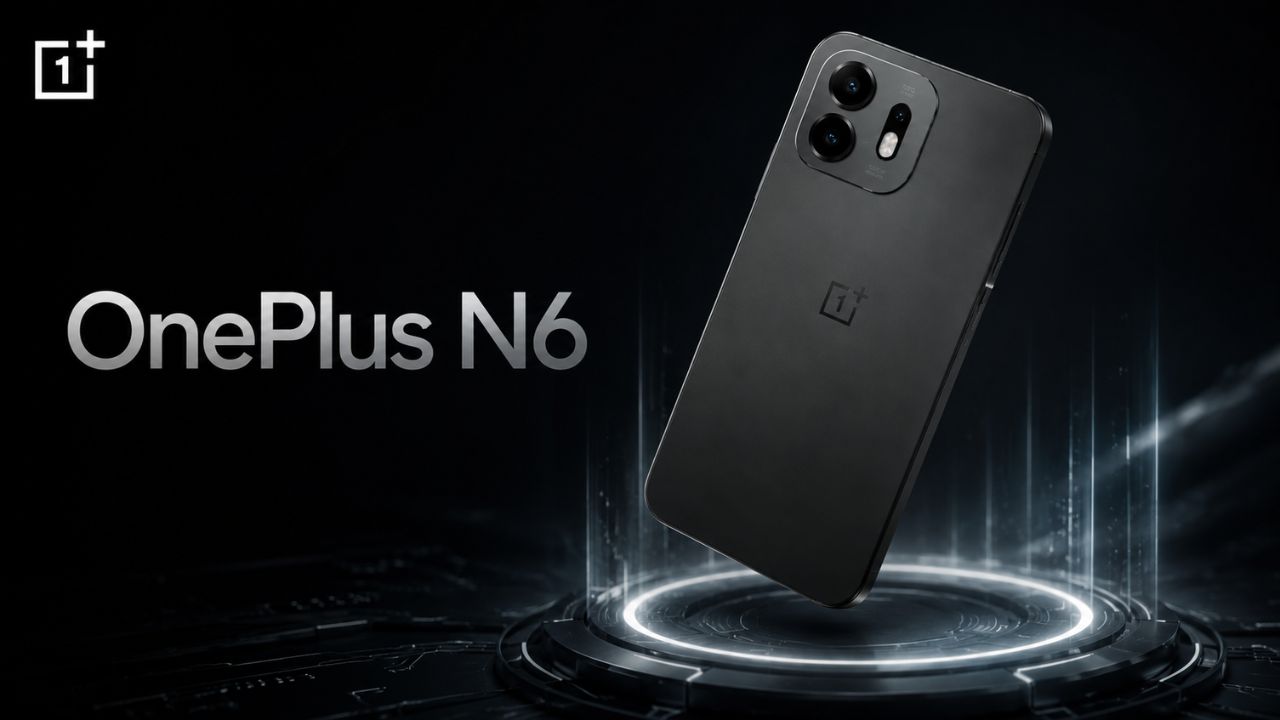
OnePlus N6 Smartphone to Launch in India with 8,000mAh Battery and 45W SuperVOOC Charging, Lasting Up to Three Days
-
Scientists Plan to Release Air Bubbles Underwater to Protect Antarctica’s “Doomsday Glacier” from Melting

-
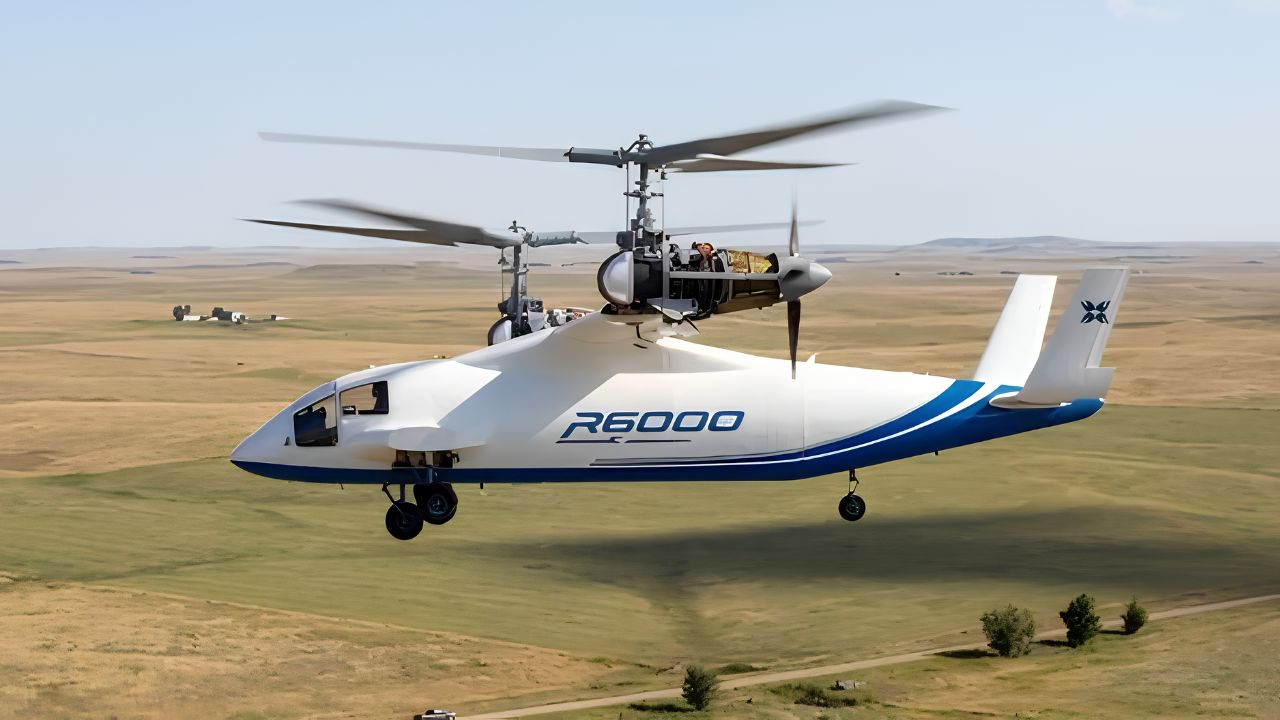
Chinese R6000 Drone Combines Airplane and Helicopter Features, Carries Up to 12 People for Multiple Missions

How The “Human Washing Machine” Works
The design of the new machine resembles the cockpit of a fighter jet, with a transparent lid that opens from the back. To start, the user sits in a central seat, where smart sensors measure vital signs like pulse and adjust the water temperature for a comfortable bath.
But the technology doesn’t stop there. An artificial intelligence system analyzes the user’s emotional state, projecting relaxing or stimulating images on the inside of the transparent lid, creating a personalized experience. The complete washing and drying cycle takes only 15 minutes.
A Journey to The Past with Eyes on The Future
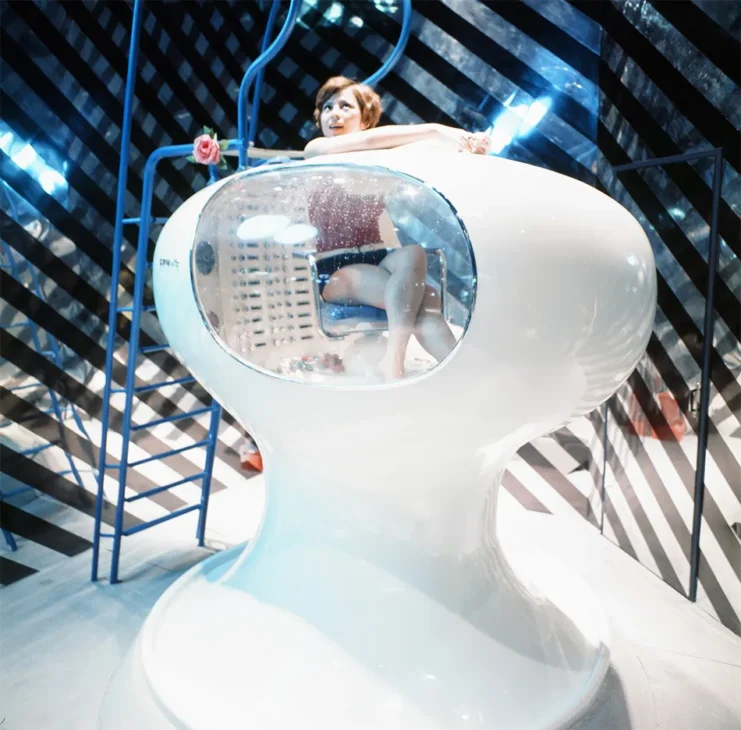
The first version of the “human washing machine”, called Ultrasonic Bath, was presented at the 1970 World Expo. The egg-shaped bathtub used ultrasonic waves and plastic balls to massage users’ bodies. The innovation attracted thousands of visitors and left a mark in the memory of many, including Yasuaki Aoyama himself, who was just a child at the time.
“I was thrilled, thinking of the kind of future we would have,” Aoyama recalled, remembering the lines to see the invention. Now, as president of Science Co., he is fulfilling the dream of updating the machine to modern standards and presenting it to the world at Expo 2025.
With The “Human Washing Machine”, Japan reaffirms its role as a leader in innovation and creativity, promising to surprise the global audience with an unprecedented technological experience.