






 Portuguese
  Spanish



Wind energy in Rio Grande do Sul could receive almost R$ 4 billion and accelerate energy transition in Brazil
Rio Grande do Sul could receive an investment of nearly R$ 4 billion to expand wind energy generation and strengthen its position as one of Brazil’s main renewable energy hubs. The investment will be directed to the Torquato Severo project, located in Dom Pedrito, resulting from a partnership between Casa dos Ventos and DGE Soluções Renováveis.
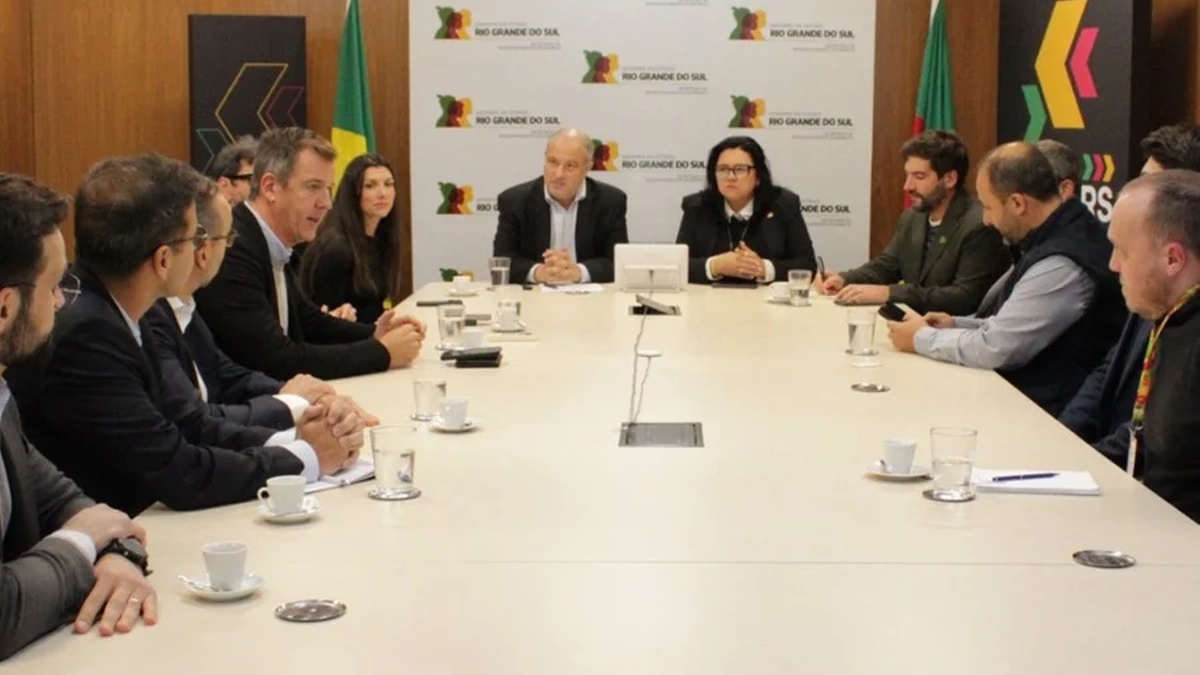
Furthermore, the project was discussed in a strategic meeting with state agencies linked to economic development and the environment. The initiative reinforces the advancement of the energy transition in the country and expands Rio Grande do Sul’s prominence in the clean and sustainable generation sector.
Project could transform the state’s wind energy sector
The Torquato Severo project emerges as one of the largest recent initiatives aimed at expanding wind energy in Rio Grande do Sul.
-
Brazil filled the Northeast with wind turbines but now faces the side effect of 705 giant blades reaching the end of their lifespan by 2032 just in Rio Grande do Norte, while the world projects 43 million tons of waste by 2050.

-
Brazil has filled the Northeast with wind turbines, but now it faces the side effect of 705 giant blades reaching the end of their useful life by 2032 just in Rio Grande do Norte, while the world projects 43 million tons of waste by 2050.
-
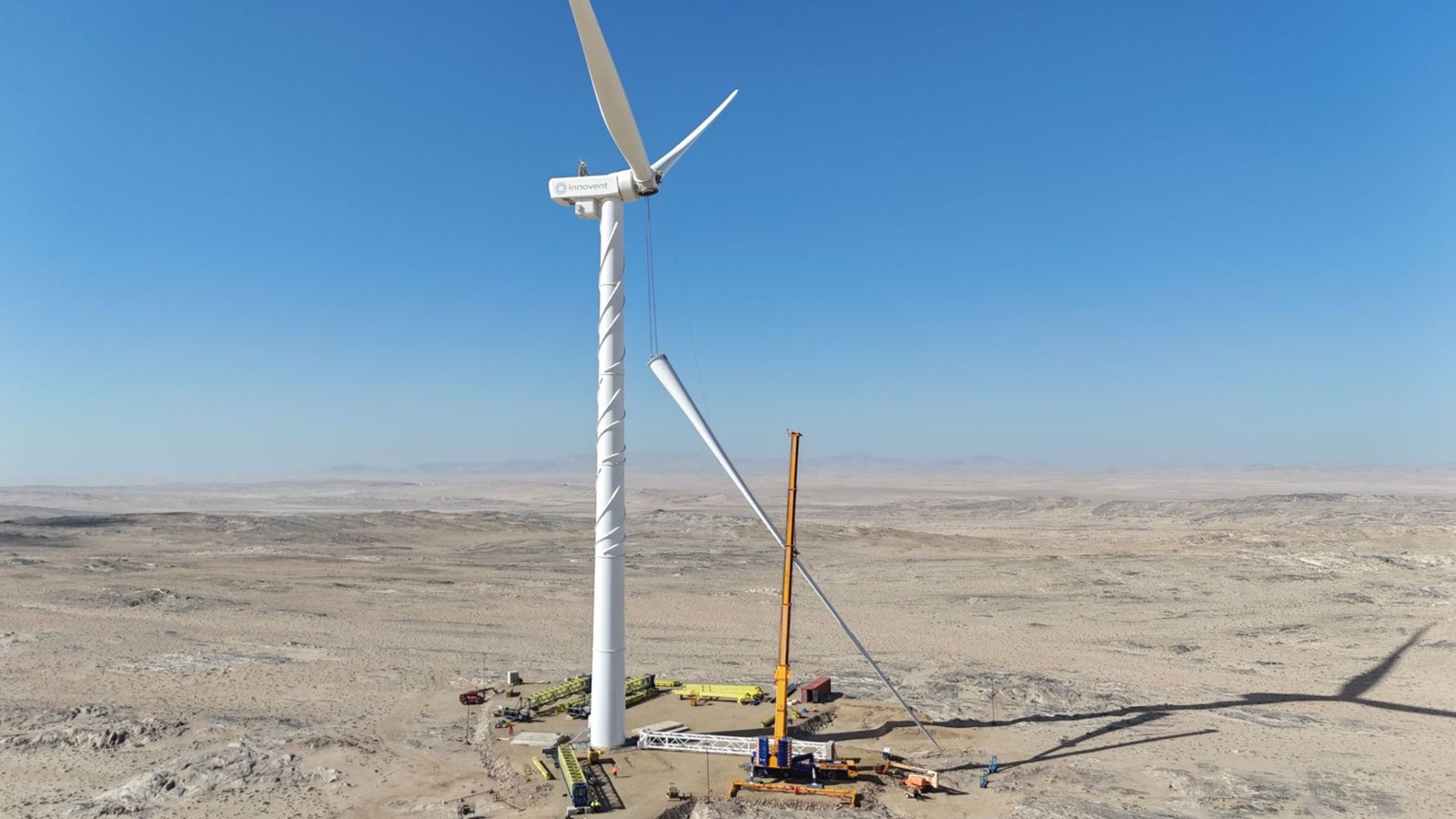
Wind farm in Namibia will have wind turbines assembled without giant cranes and is expected to avoid 200,000 tons of carbon dioxide per year when it becomes operational.

-
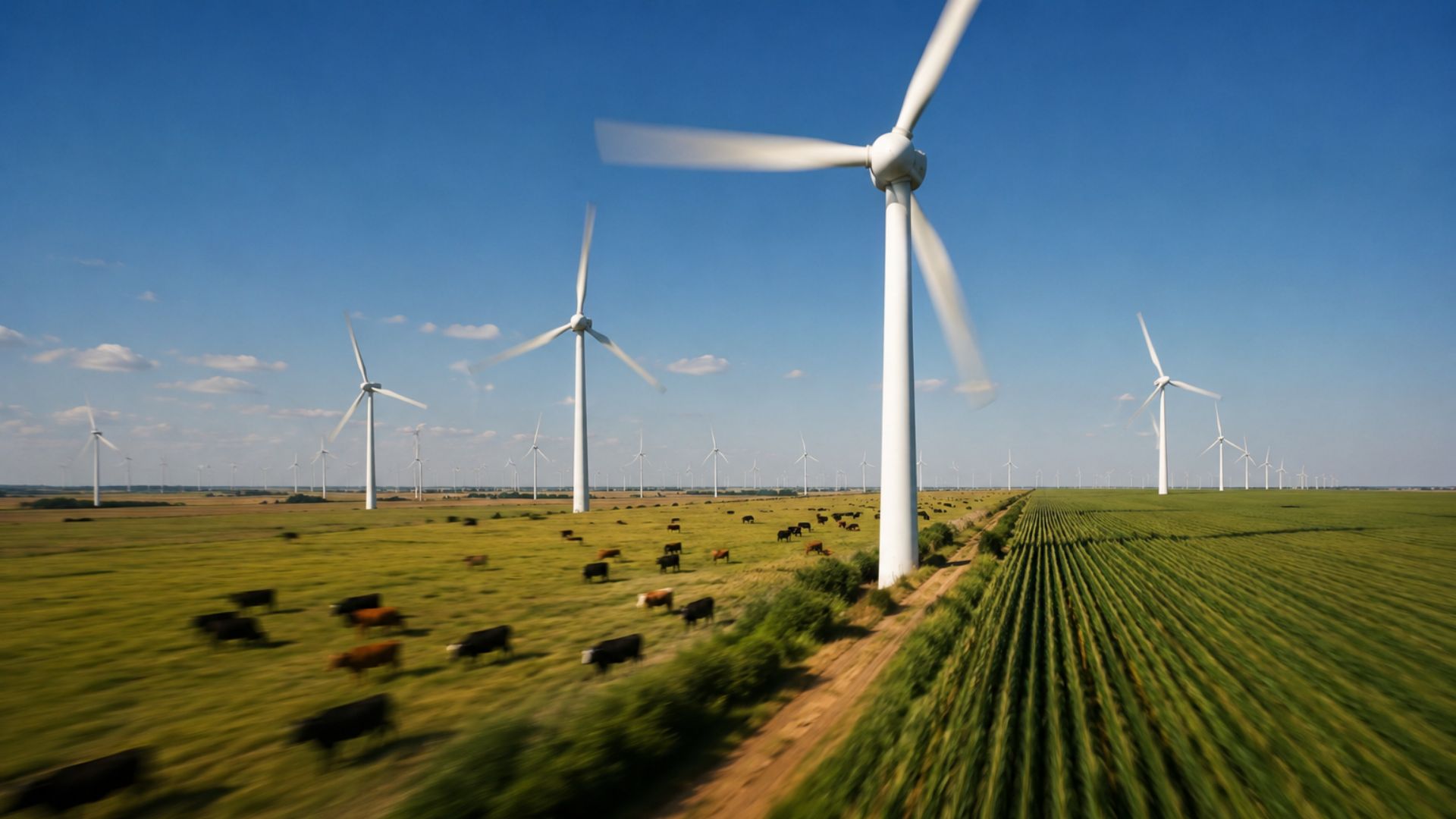
Taller than the Statue of Liberty, thousands of wind turbines are being planted in the middle of U.S. fields, creating two-story farms where corn and soybeans grow below while the wind turns into electricity above.


Furthermore, the undertaking aims to significantly increase the state’s renewable energy generation capacity.
Experts state that investments of this magnitude strengthen energy security, attract new companies, and stimulate regional development.
In this context, Rio Grande do Sul expands its strategic relevance within the Brazilian renewable energy market.
What is the Torquato Severo project
The project will be developed in the municipality of Dom Pedrito, a region with favorable characteristics for wind energy generation.
The partnership between Casa dos Ventos and DGE Soluções Renováveis seeks to explore the potential of local winds for sustainable electricity production.
Furthermore, the initiative is expected to move various sectors related to infrastructure, technology, and civil construction.
Experts highlight that projects of this size usually generate significant economic impacts in the regions where they are installed.

Wind energy gains ground in Brazil
Wind energy has been registering strong growth in Brazil in recent years.
Furthermore, the country has natural conditions considered highly favorable for the production of this type of renewable energy.
Northeastern states currently lead national wind generation, but the South of the country has also started to attract significant investments.
In this scenario, Rio Grande do Sul seeks to expand its participation in the sustainable energy sector.
The potential of Rio Grande do Sul
The state of Rio Grande do Sul has areas with great potential for harnessing winds in electricity generation.
Furthermore, experts state that Rio Grande do Sul brings together strategic conditions for the expansion of renewable projects.
Among the factors that favor the sector are:
- Favorable climatic conditions
- Available areas for installation
- Logistical infrastructure
- Growing energy demand
- Interest from private investors
Therefore, the state has been attracting the attention of companies in the energy sector.
The economic impact of the investment
The billion-dollar investment is expected to generate significant effects on the regional economy.
Furthermore, large energy projects usually stimulate job creation, increased revenue, and movement in the local production chain.
Experts state that investments in energy infrastructure also help attract new companies and industries.
In this context, the project can strengthen economic development in Dom Pedrito and nearby regions.
Energy transition accelerates in Brazil
The advancement of wind energy is part of the global energy transition process.
Governments and companies have been increasing investments in renewable sources to reduce dependence on fossil fuels and decrease carbon emissions.
Furthermore, the search for clean energy has gained even more importance in light of international environmental goals.
Experts state that Brazil holds a privileged position in this scenario due to the available renewable potential.
How wind energy works
Wind energy is produced by the force of the winds.
Large turbines installed in wind farms transform the kinetic energy of the wind into electricity.
Furthermore, this model presents low pollutant emissions during operation.
Therefore, wind energy has consolidated itself as one of the main sustainable alternatives for electricity generation in several countries.

The role of the companies involved
Casa dos Ventos is one of the main Brazilian companies in the renewable energy sector.
Furthermore, DGE Soluções Renováveis operates in projects related to the expansion of the sustainable energy matrix.
The partnership between the companies seeks to accelerate the implementation of the venture and increase the sector’s competitiveness.
Experts state that cooperation between private companies has been boosting the growth of renewable energies in Brazil.
The positive environmental impact
Wind energy projects play an important role in reducing greenhouse gas emissions.
Furthermore, renewable generation helps reduce dependence on more polluting sources.
Experts highlight that the expansion of clean energy directly contributes to global climate goals and environmental sustainability.
In this scenario, investments in wind energy have gained international strategic relevance.
The importance of energy security
The expansion of renewable generation also strengthens the country’s energy security.
When the electricity matrix becomes more diversified, the system gains greater stability in the face of crises or climatic fluctuations.
Furthermore, renewable sources help reduce risks related to fossil fuels and energy costs.
Experts state that energy security will become increasingly important in the coming decades.
The global renewable energy market
The renewable energy sector continues to register accelerated growth in different countries.
Furthermore, international investors have increased their interest in projects related to energy transition and decarbonization.
Among the areas that receive the most investments are:
- Wind energy
- Solar energy
- Green hydrogen
- Energy storage
- Smart grids
In this context, Brazil appears as a strategic market for the sector’s expansion.
The advancement of corporate sustainability
Companies have been incorporating environmental and energy goals into their growth strategies.
Furthermore, consumers and investors have started to demand greater commitment to sustainability.
Renewable projects help companies reduce environmental impact and strengthen corporate image.
Experts state that sustainability has become an important competitive factor in the global market.
What experts expect for the coming years
Analysts believe that the wind sector will continue to grow rapidly in Brazil.
Furthermore, technological advancements are expected to make renewable generation even more efficient and competitive.
Among the main factors monitored by the market are:
- New investments
- Expansion of electrical infrastructure
- Regulatory incentives
- Growth in energy demand
- Global environmental goals
All these elements are expected to influence the pace of the sector’s expansion.
The future of wind energy in Brazil
The Torquato Severo project reinforces how Brazil continues to expand investments in clean energy sources.
Furthermore, Rio Grande do Sul emerges as one of the regions with growing potential for wind development.
As the world accelerates its search for sustainable solutions, renewable projects gain economic, environmental, and strategic importance.
Finally, the billion-dollar investment planned for the state of Rio Grande do Sul shows how wind energy is expected to continue playing a fundamental role in Brazil’s energy transition and in building a cleaner and more sustainable electricity matrix.









