






 Portuguese
  Spanish
 5 min of reading
  0 comments


With Competitive Potential Compared to the Northeast, RS Bets on Onshore and Offshore Wind Energy to Meet the Growing Demand for Data Centers and Attract New Investments in Infrastructure and Technology.
Rio Grande do Sul has established itself as one of the most promising states for the growth of wind energy in Brazil, with a focus on onshore and offshore projects. Businesspeople, lawmakers, and representatives from the electric sector have pointed out the state as a viable and competitive alternative to the major hubs in the Northeast, which currently lead in installed capacity.
During an event held in Porto Alegre, State Representative Frederico Antunes, president of the Parliamentary Front for Renewable Energies, highlighted that the state’s top priority is the expansion of transmission lines, necessary to enable new projects. “We are planning, together with Sindienergia-RS, solutions to address the transmission issue. If we do our homework, we can reach the competitive levels of the Northeast,” the legislator stated.
RS Advances in Studies to Expand Transmission Capacity
The president of the Renewable Energy Industry Union of RS (Sindienergia-RS), Daniela Cardeal, emphasized that the entity presented studies to the state’s Energy Planning Committee (Copergs) with the goal of “paving the way for transmission issues.”
-
Brazil filled the Northeast with wind turbines but now faces the side effect of 705 giant blades reaching the end of their lifespan by 2032 just in Rio Grande do Norte, while the world projects 43 million tons of waste by 2050.

-
Brazil has filled the Northeast with wind turbines, but now it faces the side effect of 705 giant blades reaching the end of their useful life by 2032 just in Rio Grande do Norte, while the world projects 43 million tons of waste by 2050.
-
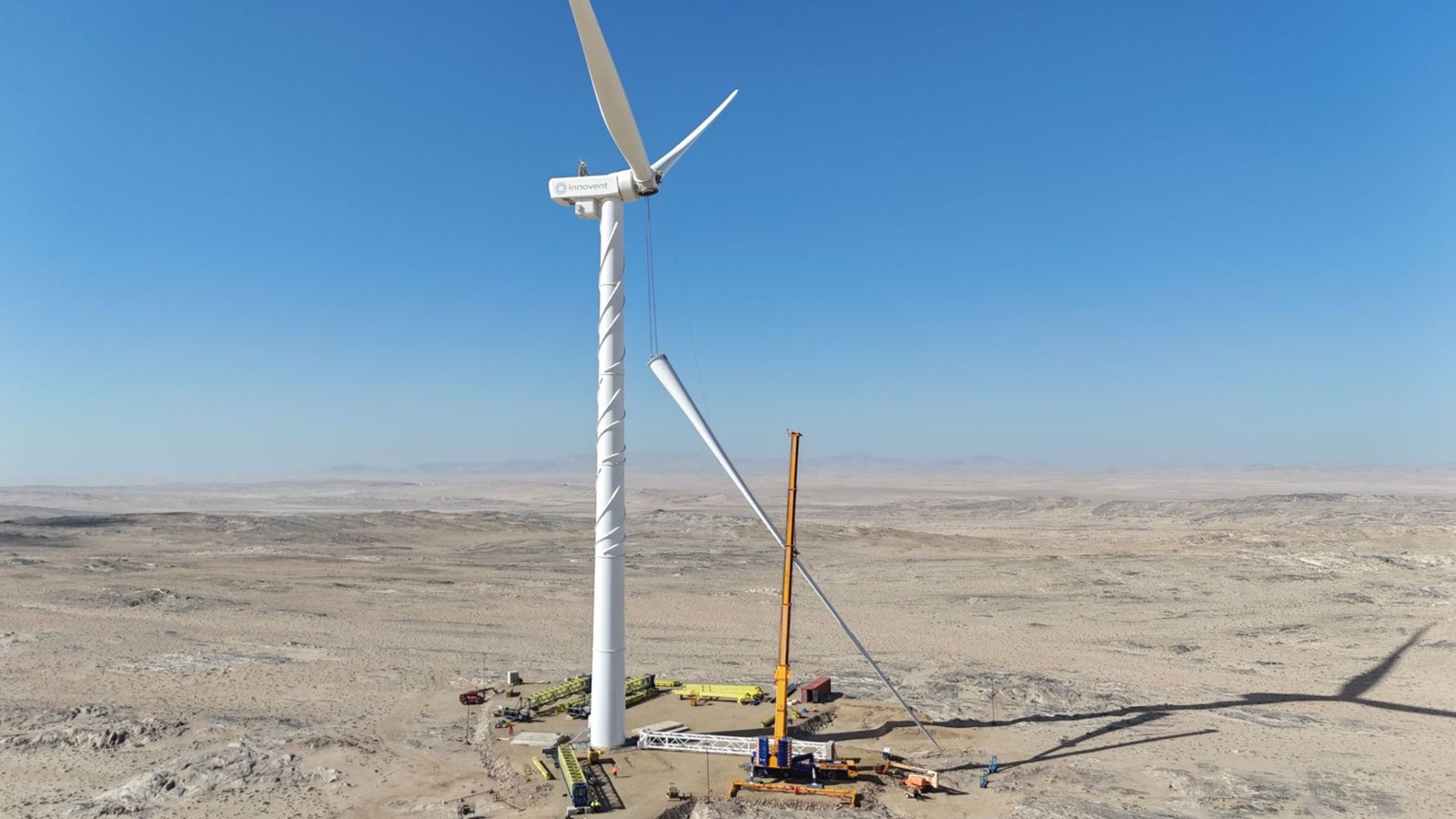
Wind farm in Namibia will have wind turbines assembled without giant cranes and is expected to avoid 200,000 tons of carbon dioxide per year when it becomes operational.

-
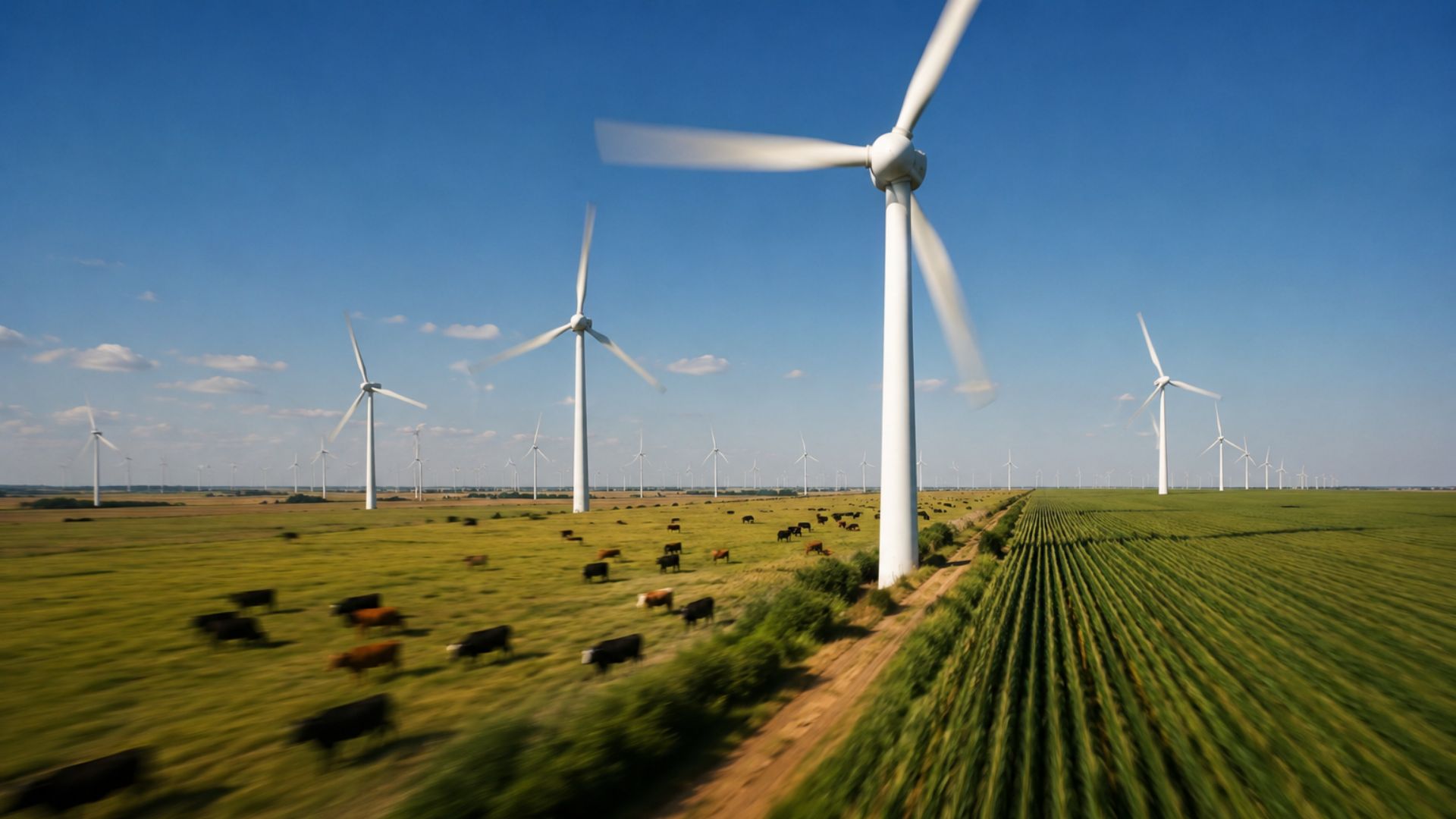
Taller than the Statue of Liberty, thousands of wind turbines are being planted in the middle of U.S. fields, creating two-story farms where corn and soybeans grow below while the wind turns into electricity above.


According to Cardeal, it is essential that the infrastructure be strengthened by 2028 to ensure supply to the metropolitan area. “The energy sector depends on regulation and planning. The government needs to direct incentives to meet future demand,” she noted.
The Decennial Energy Plan for 2034 from the Energy Research Company (EPE) indicates that RS is still a major importer of energy and plans to increase its import capacity by up to 4 GW in the coming years. Currently, the state ranks 5th in the national ranking of installed wind energy, with 1,835.89 MW, behind Rio Grande do Norte, Bahia, Piauí, and Ceará.
Competitiveness Compared to the Northeast
Although the Northeast still concentrates the largest renewable energy projects in the country, thanks to the support of constitutional funds, Rio Grande do Sul has shown important competitive advantages.
According to Alex Petter, director of Renobrax, connection costs through the Transmission System Use Tariff (TUST) are significantly lower in the South. EPE projections indicate that, by 2034, the TUST value in the South region will be R$ 4.04/KW per month, half of the cost expected for the Northeast. This makes projects in Rio Grande do Sul more attractive, even those that do not have incentivized grants.
Additionally, the South sub-market presents a higher Hourly Settlement Price (PLD) at the beginning and end of the day, increasing the financial return of wind projects in the state.
Another relevant factor is the robustness of the network infrastructure, which reduces risks of curtailment — cuts in energy generation due to transmission system restrictions, a recurring problem in states like Ceará.
Expansion of Data Centers Increases Demand for Clean Energy
A new growth vector for wind energy in RS comes from the technology industry. Scala Data Center announced at the end of 2024 the construction of an industrial district of data centers in Eldorado do Sul, 17 kilometers from Porto Alegre. With operations expected to start in 2026, the complex could demand up to 4,750 MW of energy.
These data centers will be dedicated to Artificial Intelligence (AI) applications and are expected to drive the demand for renewable energy in the state. A new international submarine cable connecting Rio Grande do Sul to abroad has also been announced, promoting the attraction of other technological investments and increasing the demand for quality electrical infrastructure.
Potential of Offshore Wind Energy on the Gaucho Coast
Rio Grande do Sul is also a highlight in offshore wind energy projects, still undergoing regulatory completion by the federal government. Several proposals have already been submitted to IBAMA, and the state is among the main interested parties in the implementation of these ventures.
Offshore wind farms have the potential to generate double the energy of onshore parks. According to Daniel Dias Loureiro, an analyst at EPE, the generation hotspots — which concentrate licensing requests — are mainly distributed between the Northeast, Southeast, and South of Brazil.
Additional research evaluates the possibility of harnessing energy from waves, tides, and currents, which can enhance synergy among different renewable sources along the Brazilian coast. The PEM Sul, a study under development, is expected to provide strategic information for advancing offshore generation in the state.
Ports and Infrastructure as Strategic Points
To enable offshore wind energy projects, it will be necessary to modernize the ports in Rio Grande do Sul, responsible for receiving and handling large components such as blades, towers, and generators. Preparing the port structure is considered essential to attract the production chain of the offshore industry to Brazil.
According to Matheus Eurico, Head of Offshore Wind Energy at ABEEólica, it is urgent to define clear regulatory criteria to enable the first auction of areas. “Brazil needs a national plan to ensure competitiveness and attract industries in cabling, logistics, and equipment, as other leading countries in this segment have done.”
Promising Path for Renewable Energies
Rio Grande do Sul has the technical, economic, and logistical conditions to stand out in the national wind energy scenario. With favorable natural resources, competitive operational costs, growing demand for clean energy, and expanding technological projects, the state has the potential to reach new levels of prominence.
The integration between renewable generation and technological innovation, such as the mega data centers dedicated to Artificial Intelligence applications, places RS on the route to sustainable development. Overcoming the bottlenecks in transmission and setting guidelines for offshore projects are the next steps to consolidate this scenario.


Be the first to react!