






 Portuguese
  Spanish


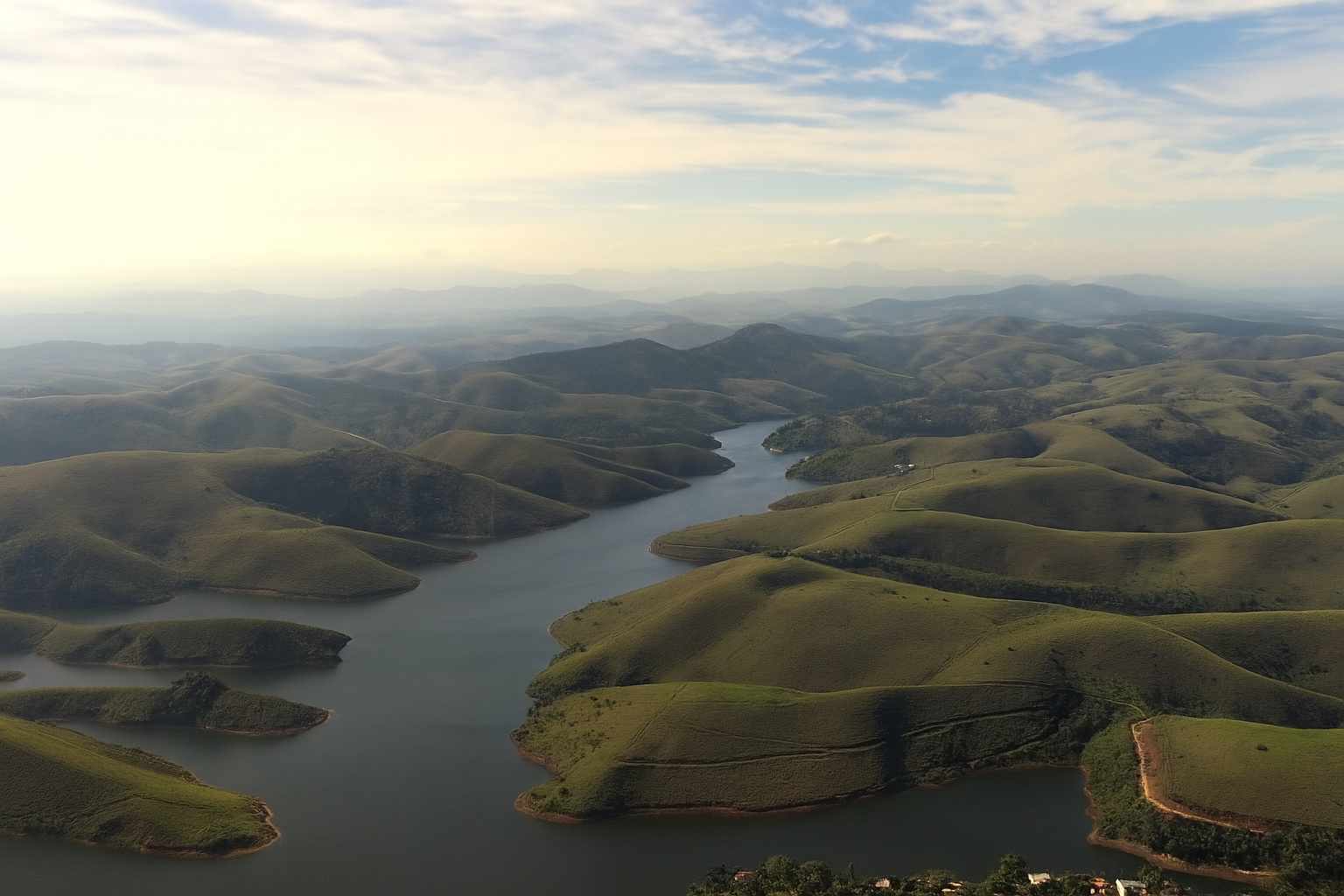

With over 1,000 km, the Paraíba do Sul River originates in the Serra do Mar and ensures water for millions, fuels industries, and is essential to Brazil’s economy and energy.
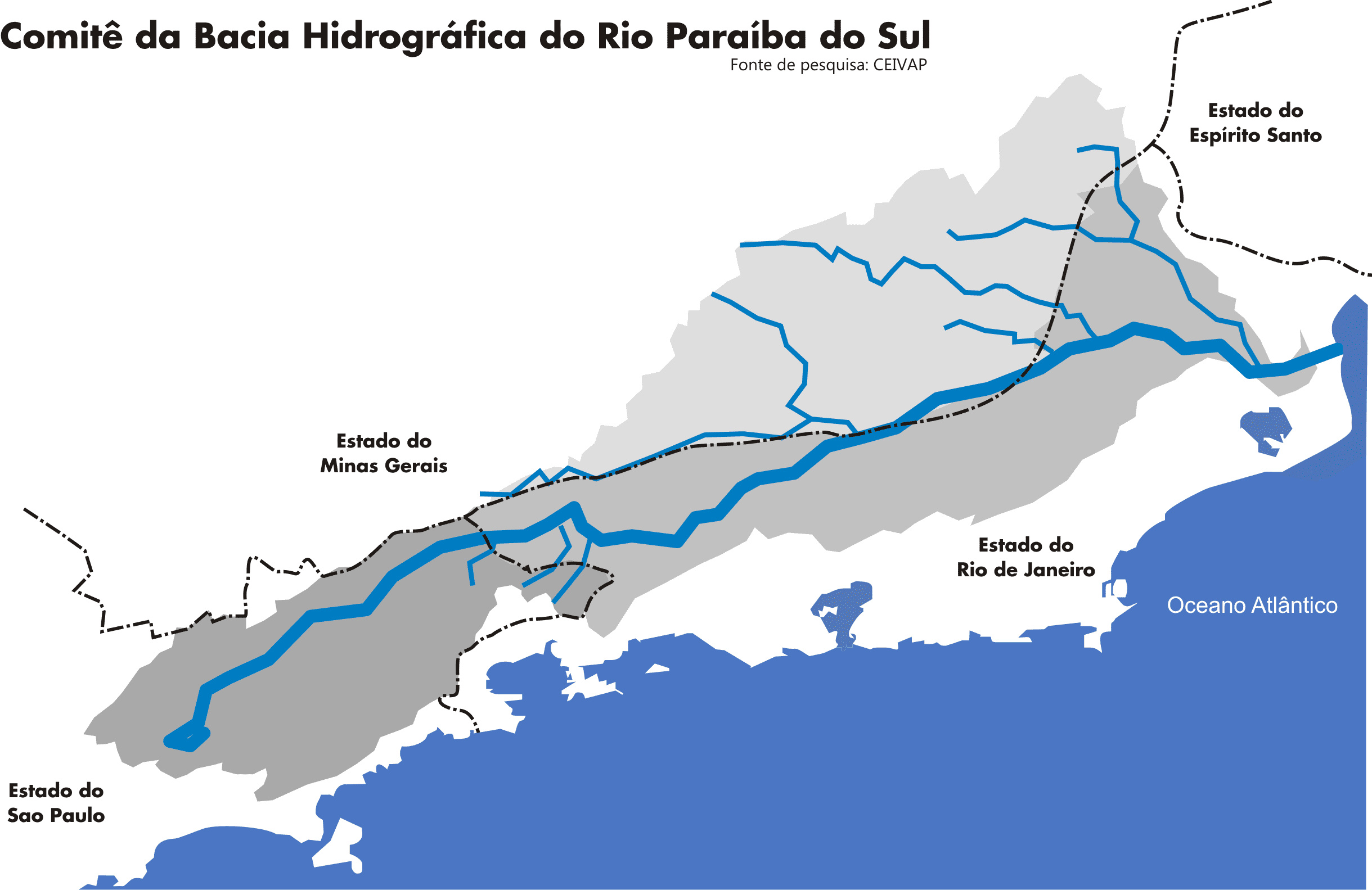
The Paraíba do Sul River is one of those silent giants of Brazil, crucial for life and the economy, but often invisible to those who benefit from its presence every day. Originating in the slopes of the Bocaina Mountains, in the Serra do Mar, the river flows about 1,150 kilometers until it empties into the Atlantic, on the coast of Rio de Janeiro, ensuring water supply for 14 million people in SP, MG, and RJ and sustaining one of the largest industrial hubs in the southern hemisphere: the Paraíba Valley.
An Strategic River for Brazil
With its watershed encompassing about 57,000 km², the Paraíba do Sul River is considered a strategic river for Brazil, cutting through highly populated and industrialized regions. Its importance extends to three states: São Paulo, Minas Gerais, and Rio de Janeiro, playing an essential role in supplying water for human consumption, generating energy, and irrigation.


In addition to supplying capitals and metropolitan regions like the city of Rio de Janeiro and part of Greater São Paulo, the Paraíba do Sul irrigates a vast productive belt, sustaining automotive, metallurgy, chemical, and petrochemical industries, as well as various agribusiness ventures that have settled along its course.
-
Brazilian Official Proposes Plan to Revive 223 km Railway, Connecting 13 Cities and Transporting 32,000 Passengers and 600 Containers Daily, Plus a Tourist Train in Just 2 Hours 20 Minutes.

-
China Completes Mountain-Top Airport After Major Engineering Feat Near Three Gorges
-
Small Brazilian Town in Santa Catarina Boasts Latin America’s Largest Wooden Church, Preserves German Traditions, and Offers Thermal Waters

-
Freelance Construction Worker Reveals Earnings After 20 Days of Plastering Work




Industrial Watershed: The Economic Heart of the Paraíba Valley
The industrial watershed of the Paraíba do Sul houses the Paraíba Valley, a region that concentrates the largest industrial park in Latin America. Cities like São José dos Campos, Taubaté, Volta Redonda, and Resende depend on the river not only for daily water consumption but also as a central element for the operation of their industries, which generate thousands of jobs and drive the Brazilian economy.
Companies from strategic sectors, such as vehicle manufacturers, aerospace component factories, chemical industries, and steel mills, use the water from the Paraíba do Sul in their processes, making the river indispensable for the region’s economic development.
Water Supply and Environmental Challenges
Maintaining the water supply in RJ, SP, and MG depends on a delicate balance between usage, preservation, and water management. The Paraíba do Sul faces challenges such as industrial and domestic pollution, siltation, and degradation of riparian zones, which compromise the water quality in various stretches.

Environmental recovery projects, water quality monitoring, and integrated management agreements between the states have sought to mitigate impacts and ensure that the river continues to fulfill its role as a water provider for millions of people, without compromising its sustainability for future generations.
Energy and Navigability: The River as Living Infrastructure
In addition to being a source of supply and boosting the industrial sector, the Paraíba do Sul River holds great importance in energy generation. Several hydroelectric plants along its course, such as the Funil Hydroelectric Plant, contribute to the supply of electric power, reinforcing the river’s importance as part of the living infrastructure that sustains regional development.
The river also has the potential to be used in waterway transport in certain stretches, offering a more sustainable logistical alternative, especially for the transport of heavy loads over short distances.
Why the Paraíba do Sul River Matters to Brazil?
The Paraíba do Sul River represents, at the same time, a natural heritage, an economic asset, and an essential element for the quality of life of millions of Brazilians. It connects diverse regions, brings water where it is needed, stimulates industries that generate wealth and employment, and still possesses energy potential.
Caring for the Paraíba do Sul is, therefore, a shared responsibility among governments, companies, and society. This involves reducing pollution, protecting springs and riparian forests, efficiently managing water resources, and ensuring that industrial use is sustainable, respecting environmental limits and ensuring quality water for the populations that depend on it.
At a time when Brazil seeks to grow sustainably, the strategic river of Brazil serves as a reminder that development is only possible if there is balance with nature, and that water, the source of life and energy, needs to be valued and protected at every stage of the process.


