






 Portuguese
  Spanish


The blacksmith shop that was born in the Serra do Rio Grande do Sul in 1911 became a global giant present in 120 countries, with 22,000 products and a factory even in India
Tramontina is probably the most present Brazilian brand in kitchens around the world, and almost nobody knows that it started small, in a small town in the Serra Gaúcha, in 1911. Today the company earns about R$ 10 billion per year, exports to more than 120 countries, and celebrates 115 years as one of the biggest success stories in the national industry.
Tramontina started as a simple blacksmith shop and transformed into an empire of kitchen utensils, tools, and appliances, with more than 22,000 different products in the catalog. The headquarters remain in the same origin, in the interior of Rio Grande do Sul, proving that it is possible to conquer the planet without leaving the Serra Gaúcha.
From a blacksmith shop in 1911 to a global giant
The story is like a movie. According to the Correio de Minas, the company was founded in 1911 by Valentin Tramontina, in the Serra Gaúcha, as a small blacksmith shop that produced tools and metal objects for the region.
-
China Tests New Urban Mobility in Hefei with Electric Aircraft and Drones, Eyeing a Trillion-Dollar Market to Transform Transportation

-
Xiaomi Unveils Smart Technology to Replace Air Conditioners: Promises 45% Less Energy Use, 1,760 m³/h Airflow, APF 5.31 Efficiency, and Annual Savings of 884 kWh.
-
Why the Tietê River in Brazil is Once Again Covered in White Foam: Environmental Concerns Resurface Despite Years of Investment.
-
Chinese Company Enters Brazil to Compete with Mercado Pago, Stone, PagBank, Promising Local Manufacturing and Innovative Payment Solutions


Professionalization came gradually, spanning generations of the family. In 1954, the business was formally registered, and from there it began to scale production. What was artisanal became industrial, and the brand spread first throughout Brazil and then around the world, always keeping the command concentrated in the city of origin.
The first knife exported to Chile in 1969
The international leap has a symbolic date. Still according to the Correio de Minas, Tramontina made its first export in 1969, sending knives to Chile, a milestone that opened the door for the expansion that would come in the following decades.
From then on, the presence abroad only grew. In 1989, the products entered Walmart stores, quite a passport for American retail. Each new frontier conquered transformed the brand from a regional supplier to a global player, until reaching the current network, spread across more than a hundred countries.
120 countries and a quarter of revenue coming from abroad
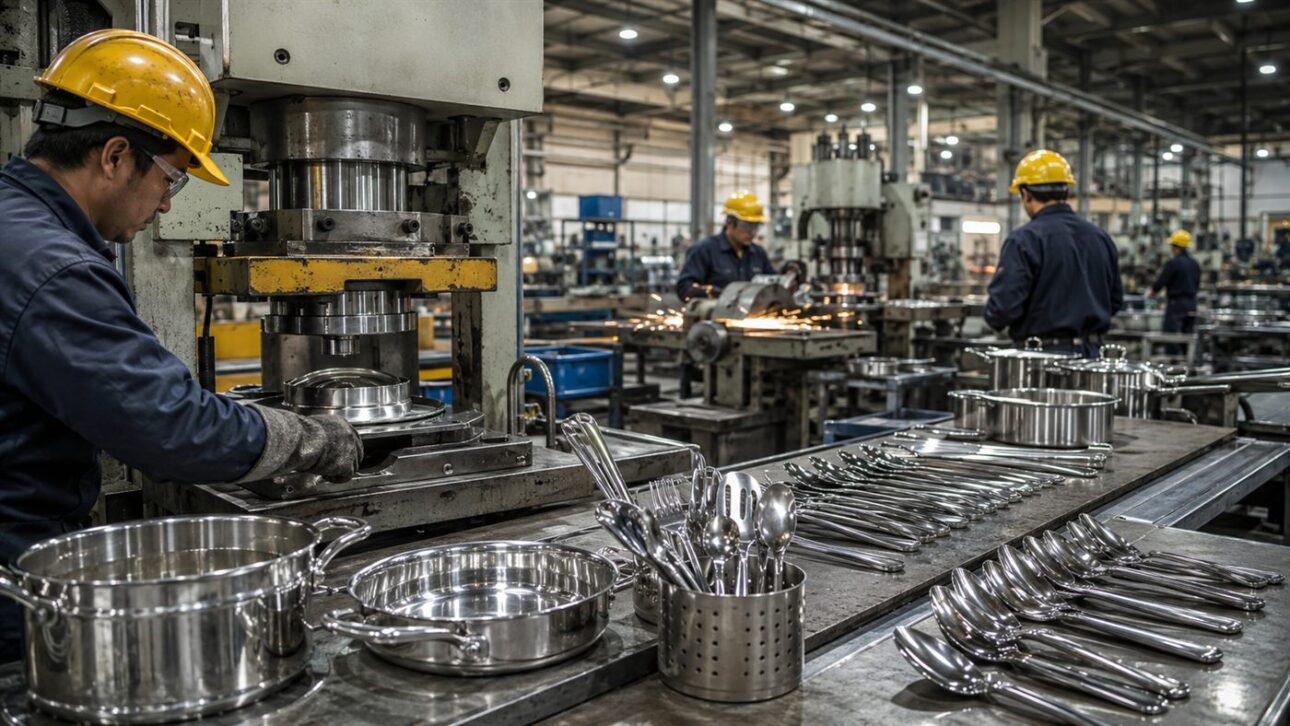
The export vocation is now one of the company’s pillars. Correio de Minas points out that Tramontina is present in 120 countries, with exports accounting for about 25% of revenue, and the United States and Germany among the main destinations.
To sustain this presence, the company has set up a robust international structure, with around 20 operations abroad, including branches, distribution centers, and offices. Selling to the world requires much more than manufacturing well, it requires logistics and branding, and this is where the company differentiates itself from so many industries that remain only in the domestic market.
R$ 10 billion and 22 thousand different products
Today’s numbers are impressive. According to Exame, Tramontina operates with more than 22 thousand items in its portfolio, from knives and pots to tools, furniture, and electrical materials, and has grown about 20% in revenue over the last two years.
This gigantic range is one of the keys to success. The brand is in the kitchen, in the garage, in the garden, and on the construction site at the same time, which dilutes risk and broadens reach. Few companies can be relevant in so many different categories, and this diversity is what keeps Tramontina growing even in difficult years for the industry.
Carlos Barbosa, the small town that became an industrial capital
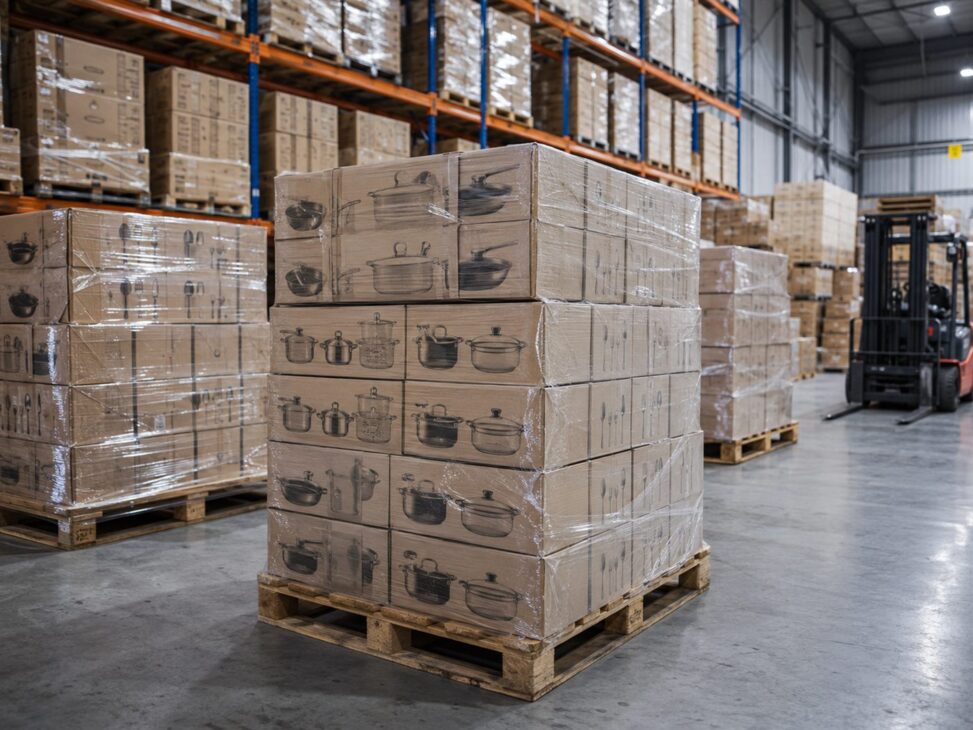
The most symbolic detail of the story is the geography. The entire administration of the giant remains concentrated in Carlos Barbosa, a small town in the Serra Gaúcha, far from the country’s major economic centers. The company has become practically synonymous with the municipality.
This rooting has generated a complete industrial hub in the region, with specialized people, suppliers, and a work culture that sustains the operation. Keeping the business’s brain in the interior, and not in a capital, is a choice that defines the brand’s identity. Tramontina shows that technology and production hubs don’t need to be only in metropolises.
The new strategy of Tramontina: dividing the brand into six
The latest move by the company is a bold reorganization. According to Exame, Tramontina has decided to divide its brand into six to grow in specific areas: the main brand, which accounts for 90% of the portfolio, plus sub-brands like Primia, Oniq, Althea, PRO, and Master, along with the T store retail chain.
The idea is to reach different audiences without diluting the parent brand, catering from high gastronomy to the common consumer and industry. Segmenting the brand is the way found to grow without losing identity, a strategy that large global groups often use. The strategy, planned since 2019, has staggered launches until 2028.
12 thousand jobs and factories even in India
The industrial operation is as impressive as the commercial one. The company employs more than 10 thousand people, according to Exame, a number that Correio de Minas records as over 12 thousand, distributed across units in Brazil and abroad.
There are eight manufacturing units in total, six in Rio Grande do Sul, one in Pernambuco, and one in India, according to Exame. Having a factory in Asia shows that the brand has ceased to be just an exporter and has become a true multinational, producing close to strategic markets to gain competitiveness and reduce logistics costs.
Why a kitchen brand becomes a national heritage
The case of Tramontina goes beyond numbers. It is one of those brands that Brazilians find everywhere, from the market to the mall, and that carries the image of quality of the country’s industry abroad. It became a symbol that it’s possible to compete abroad with a good product and a strong brand.
At a time when the industry in Rio Grande do Sul and nationally is fighting for space in the world ranking, having a champion of this size matters a lot. A company that exports kitchen utensils to 120 countries generates employment, income, and pride, and proves that Brazil can be more than a raw material exporter.
A centenarian that still wants to grow
At 115 years old, Tramontina shows no signs of settling. With the brand divided into six, new operations abroad, and a portfolio that continues to grow, the company is betting on another phase of expansion, targeting both the external market and premium niches at home.
The question remains whether the next generation of the brand will be able to replicate, on a global scale, the feat that began in a small-town blacksmith shop. Did you imagine that the knife or pan in your kitchen might have come from a company born in the Serra Gaúcha in 1911?


