





 Portuguese
  English
  Spanish
  4 min of reading
  0 comments


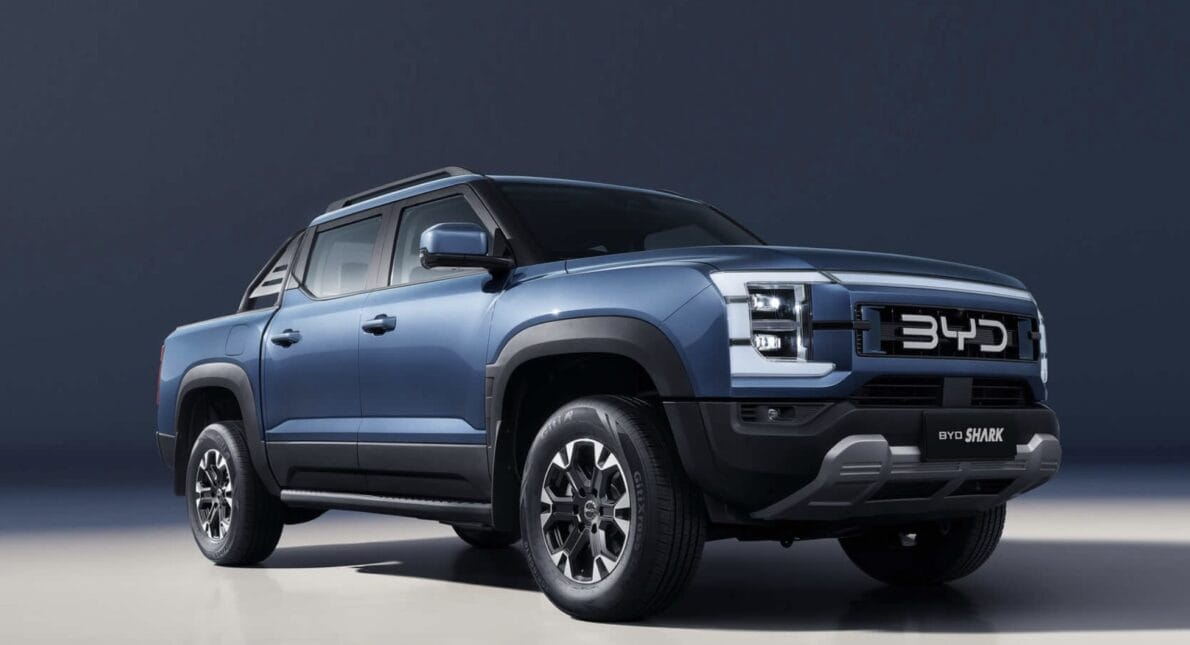
The BYD Shark Arrives to Compete with Hilux and Ford Ranger, Offering 430 Horsepower and a Range of Up to 840 km. Discover How This Pickup Is Ready to Redefine the Market for Powerful Vehicles!
BYD is preparing to launch another novelty in the Brazilian market. This weekend, in Goiânia, the Shark, the first plug-in hybrid pickup sold in Brazil, will be officially presented to the public.
Although the model has been available for pre-sale since the beginning of the month, its official launch promises to attract even more attention.
Pre-Sale and Price Expectations
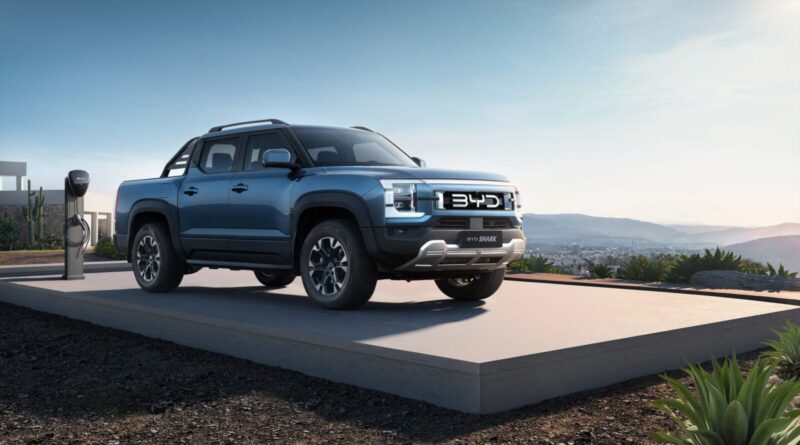
Since the start of reservations, those who secured a unit of the Shark made an initial payment and were entitled to exclusive advantages, such as a portable charger of 3.5 kW, a solar energy kit to power the charger, and full insurance for one year.
-
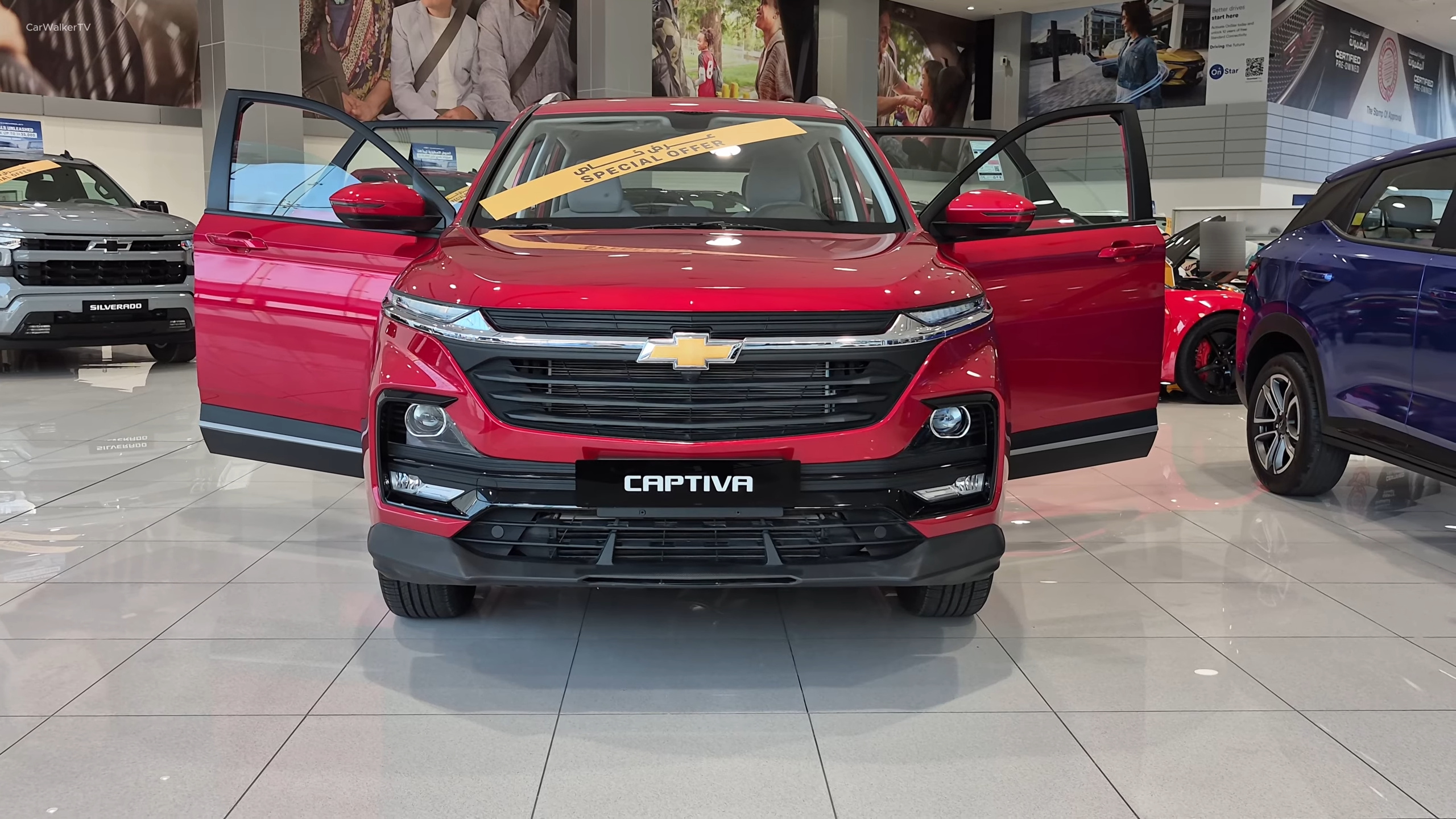
Chevrolet launches a “7-seater family SUV” cheaper than Jeep Commander, Toyota SW4, and Chevrolet Trailblazer in Brazil; Captiva 2026 features a 1.5 turbo engine, CVT transmission, 6 airbags, a 10.4″ vertical screen, a trunk of up to 887 liters, and a family package that GM sells in Mexico but does not offer to Brazilians.

-
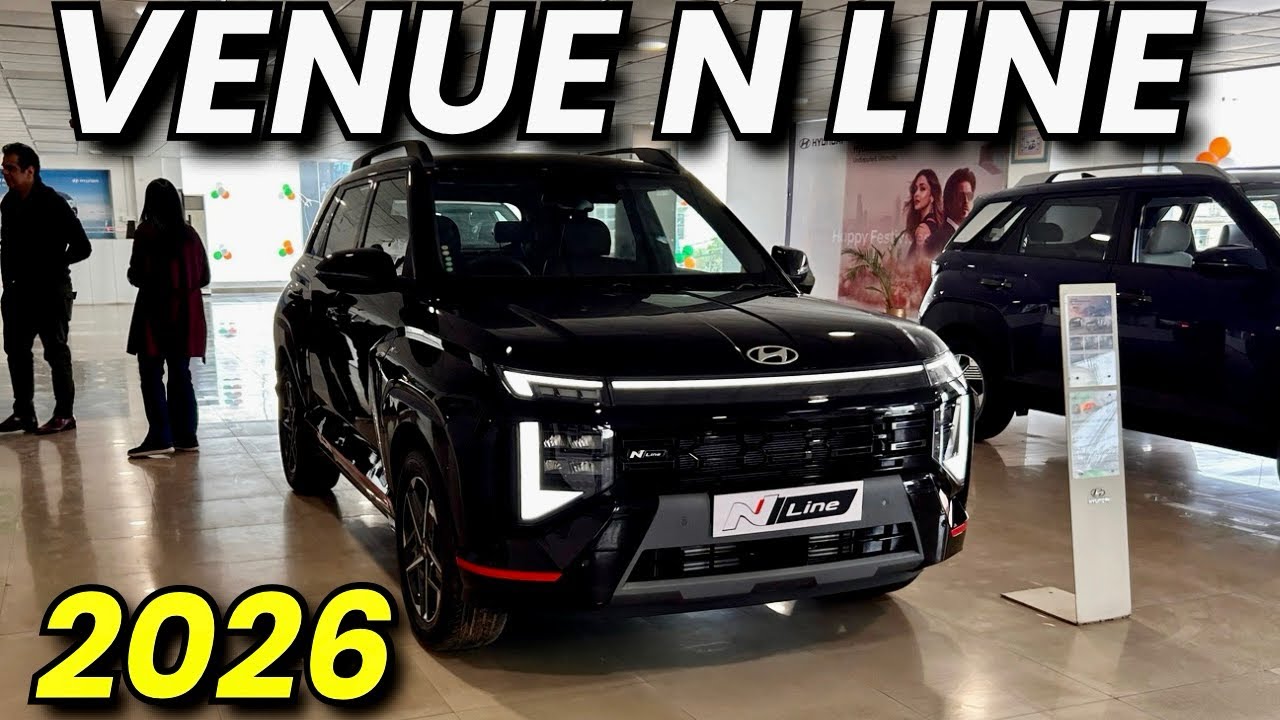
Hyundai sells a “sporty compact SUV” cheaper than Jeep Renegade, Volkswagen T-Cross, and Honda HR-V in Brazil; for about R$ 56,000 in conversion without taxes, the Venue N Line has a 1.0 turbo engine with 120 PS, manual or DCT transmission, dual exhaust, level 2 ADAS, 6 airbags, and a sports package that Hyundai sells in India but does not offer to Brazilians.

-
How GMC decided to create a cheaper “mini Hummer” after the failure of giant electric vehicles and revealed radical SUVs that promise to take on the Bronco and Wrangler with a brutal look, futuristic technology, and off-road capability in the USA.

-
Chile inaugurates the first electric highway for the trucks that drive its economy, installs high-power chargers over 400 km, and aims to reduce diesel dependency in a logistical shift to Puerto Montt by 2030.


However, some details, such as sales targets and the final price, remain shrouded in mystery. Still, it is speculated that the pickup will be sold for around R$ 300,000, as BYD has always adopted a competitive pricing strategy compared to its competitors.
The launch of the Shark in Goiás, a state with strong ties to agribusiness and a significant pickup market, reflects the brand’s desire to expand its audience beyond urban centers. However, it is not expected that the pickup will become a work tool on farms, but rather a status symbol in the major cities of the Midwest.
Dimensions and Competition in the Market
At 5.45 meters long and with a generous wheelbase of 3.26 meters, the Shark positions itself between mid-sized models, such as the Fiat Toro and the Ford Ranger.
However, the Shark’s payload capacity is 835 kg, lower than that of diesel competitors, which often exceed 1 ton. Despite this, the Shark’s main differentiator lies under the hood with its hybrid powertrain.
With this configuration, the Shark promises to be a heavyweight contender against established models like the Toyota Hilux and Ford Ranger. Its combination of cutting-edge technology, superior finishes, and a generous list of standard features is already a BYD hallmark and should be appealing to consumers.
BYD’s Entry into the Light Commercial Segment
Although BYD was already present in Brazil with the T3 electric van, which accumulated just over 300 registrations since 2020, the Shark marks the automaker’s effective entry into the light commercial segment.
This market accounts for 11% of all automobiles and light commercial vehicles sold in Brazil, and the Shark’s hybrid powertrain seems to be an ideal solution for a country still in the early stages of building infrastructure for electric vehicle charging.
The expectation is that BYD will capture a significant share of this market in the coming years, especially in 2025. Additionally, there are rumors that the Shark may be assembled at the Camaçari plant in Bahia, but this will likely occur only in a later phase of operations, starting with the production of other models next year.
Another important point is BYD’s expansion in Latin America. Stella Li, CEO of Americas for the brand, confirmed that BYD will have a factory in Mexico with a capacity to produce up to 150,000 vehicles per year. This move could directly impact the Brazilian market, as Brazil has a trade agreement with Mexico, allowing for the import of vehicles tax-free.
Growth of BYD in the Brazilian Market
In the first nine months of 2024, BYD sold 51,300 vehicles in Brazil, securing the 10th position in the ranking of best-selling brands, with a market share of 2.9%. This performance places it ahead of traditional brands like Citroën and Peugeot, which hold 1.4% and 1.1% market shares, respectively. However, BYD will not meet the initial projection of selling 120,000 units in 2024, revised to 100,000 in the first half of the year.
Nonetheless, the brand has shown significant growth. If it continues to maintain the monthly average of 5,700 units sold, achieved between January and September, BYD could end the year with around 70,000 vehicles sold, four times more than the 17,900 units sold in 2023.
The Shark represents an important step for BYD in its expansion in the Brazilian market. The combination of advanced technology, a hybrid powertrain suitable for local needs, and a strong presence in the pickup segment should further consolidate the brand’s position in the country.








Be the first to react!