






 Portuguese
  Spanish
  6 min of reading
  0 comments


Learn How RN Reinforces Its Leadership in Clean Energy with a Digital Platform That Centralizes Data on Wind and Solar Energy.
The state of Rio Grande do Norte has stood out for decades in the Brazilian energy landscape and has consequently consolidated its position as a protagonist in renewable energy production.
Recently, the state took another important step by launching the RN Energy Platform, an innovative digital tool that gathers strategic data on wind and solar energy, further reinforcing its leadership in clean energy.
In addition, the initiative creates new opportunities for investors and citizens interested in closely monitoring the sector.
-
Brazilian scientists are simultaneously advancing two research projects on clean hydrogen and driving solutions that could transform the energy matrix, enhance industrial competitiveness, and accelerate large-scale emission reduction targets.

-
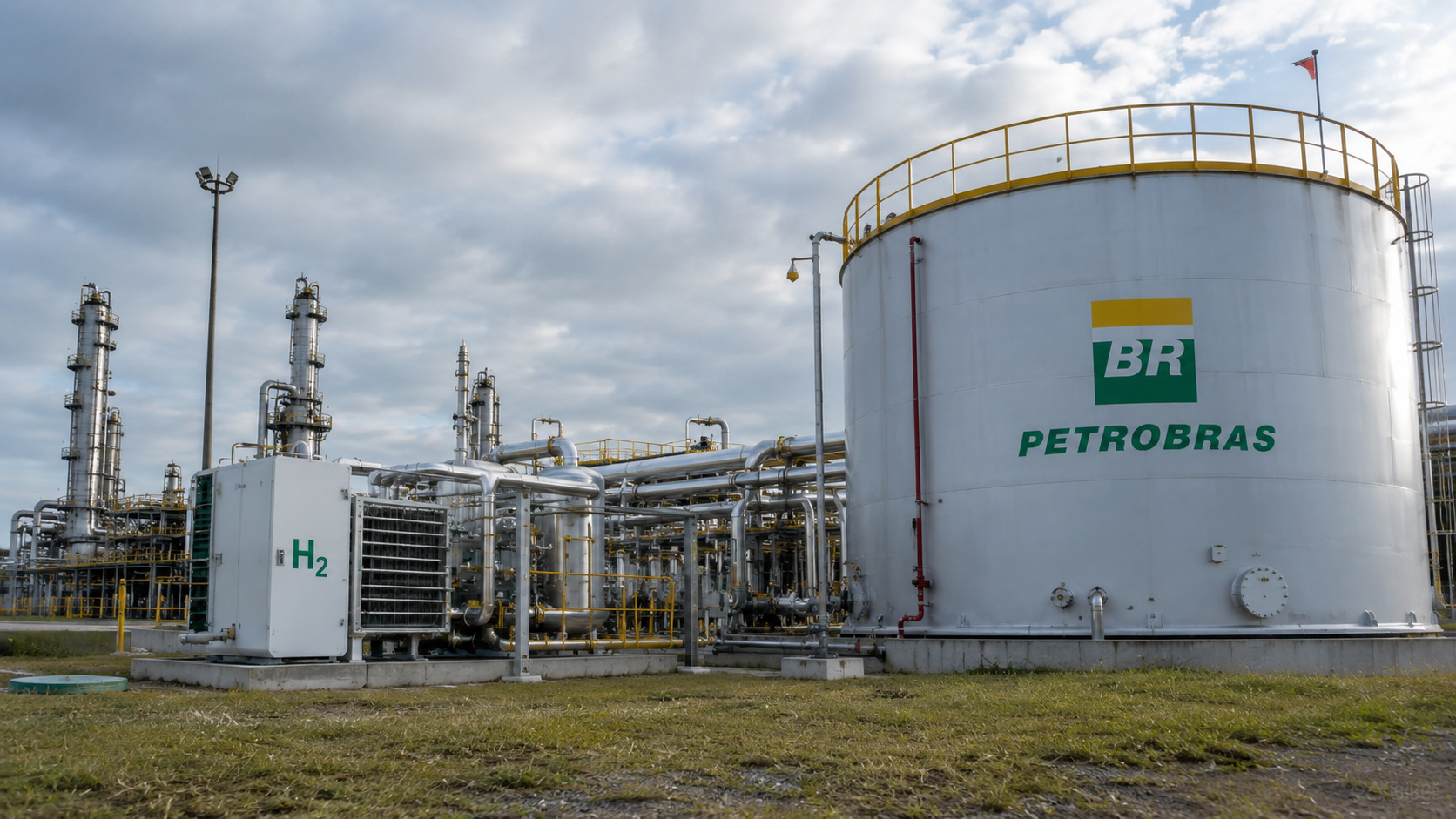
Advancement in renewable energy: A R$ 150 million project launched by Petrobras and Finep aims to create state-of-the-art electrolyzers for green hydrogen, strengthening national research and preparing Brazil to compete in a billion-dollar energy market.
-
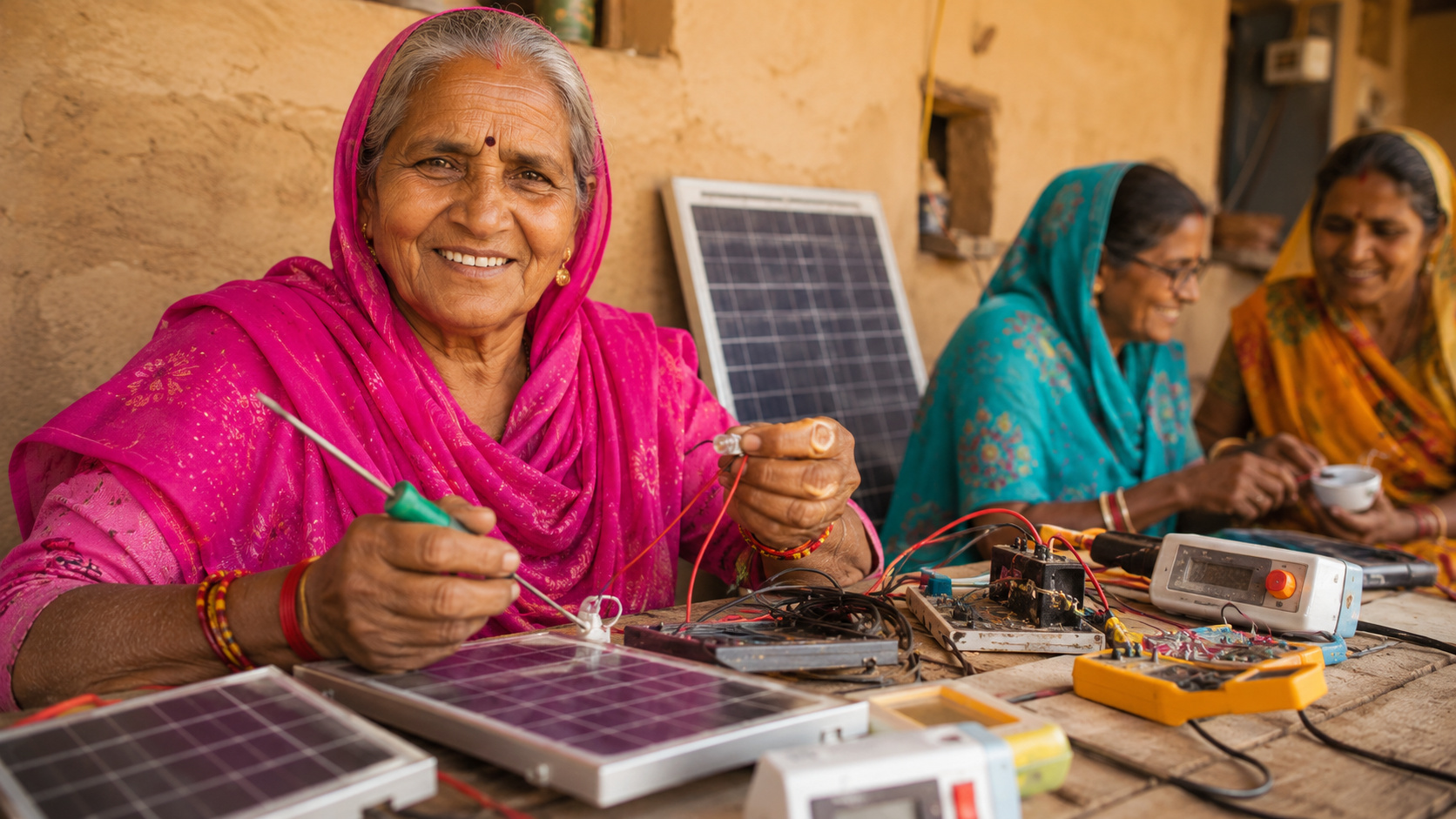
Illiterate or semi-literate grandmothers were trained to repair solar systems, open rural workshops, and light up homes that still depended on kerosene.
-
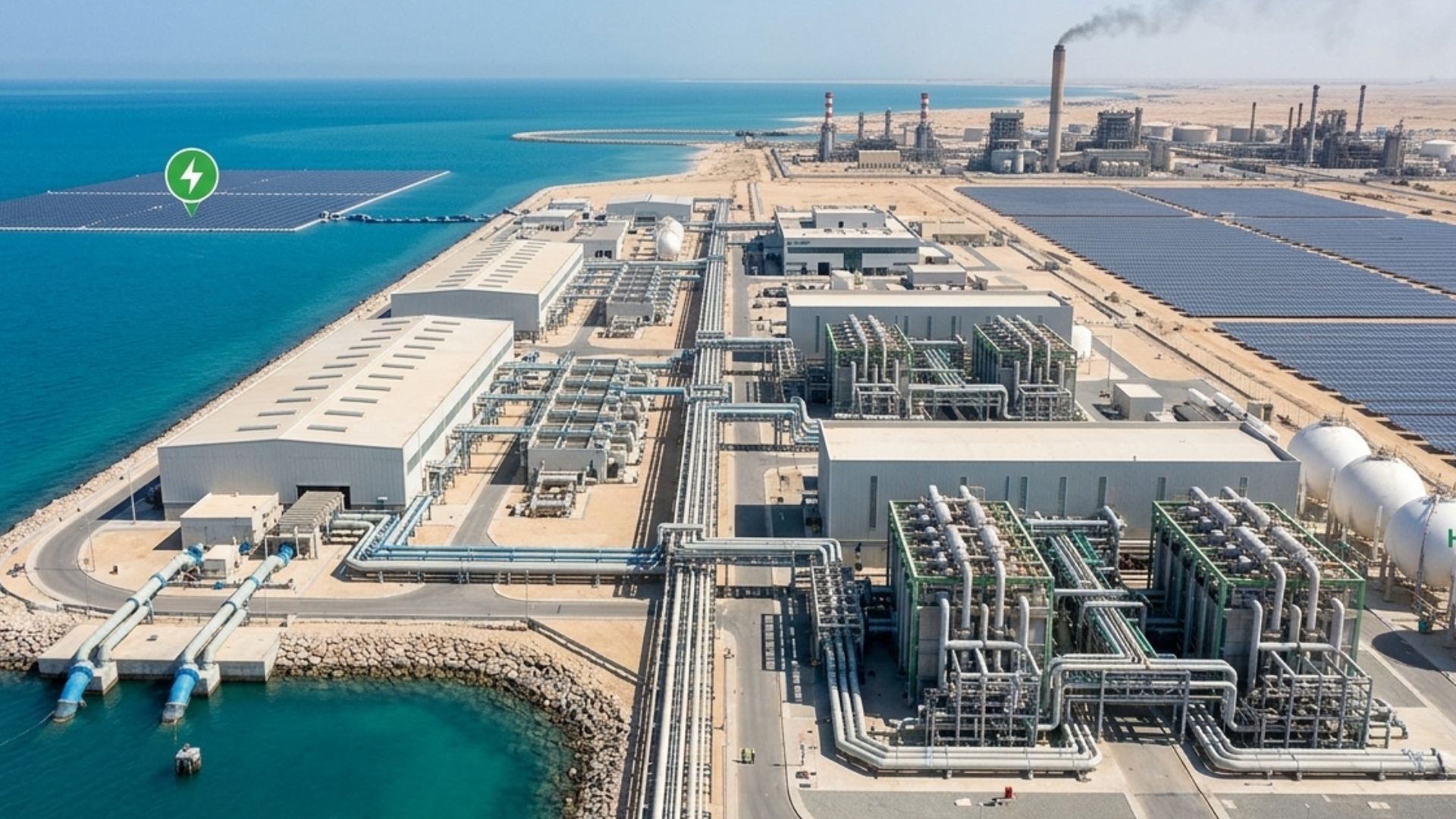
The world has bet on green hydrogen as the fuel of the future, but now faces the side effect: producing 1 kilogram requires about 9 liters of ultrapure water, and the largest projects on the planet are precisely in the driest regions of the Earth, where water is already scarce for people.


Historically, the state presents favorable geographical and climatic conditions for the development of renewable sources.
Thus, the constant wind and high solar incidence make RN one of the most competitive locations in the country for clean energy generation.
Since the first investments in wind energy, back in the 2000s, to the most recent projects, the state has built an ecosystem that involves universities, private companies, public agencies, and civil society.
All involved remain focused on innovation and sustainability.
The launch of the digital platform, led by Governor Fátima Bezerra, represents an important milestone in RN’s journey.
Thus, the tool, which is publicly accessible and interactive, was developed in partnership with SENAI-RN and is based on the Wind and Solar Atlas of the state.
With this, the platform not only organizes and presents energy data but also increases transparency, facilitates strategic planning, and stimulates new investments.
Therefore, these elements consolidate the leadership in clean energy of Rio Grande do Norte.
Moreover, the initiative promotes a more active culture of social participation.
In other words, by providing information clearly and accessibly, the population better understands how clean energy impacts regional development and economic opportunities.
In this way, transparency in energy data strengthens public debate and encourages environmental education.
This consequently reinforces RN’s role as a reference in renewable energy.
Digital Platform: Innovation and Transparency in the Energy Sector
In addition to showing information about wind and solar plants, the platform details transmission lines and logistics, revealing the care with the necessary infrastructure to expand the sector.
In the coming months, the system will include data on green hydrogen production, offshore projects, and the future Green Industry Port, thus reinforcing the state’s strategic vision for sustainable development.
The state government, allied with consistent public policies, has transformed RN into a national reference.
As highlighted by the Secretary of Economic Development, Alan Silveira, “RN moves forward with planning, coordination, and security and provides public access to strategic information.”
Furthermore, Deputy Secretary Hugo Fonseca emphasized that the launch celebrates a milestone in the state, combining high technical value with a commitment to innovation.
RN’s trajectory towards leadership in clean energy is also evidenced by the numbers.
Currently, the state produces 32% of the country’s wind energy, a remarkable achievement considering the size of the national territory and the diversity of existing energy resources.
The state energy matrix is composed of 98% renewable sources.
By the end of 2024, the installed capacity is expected to reach 10.05 gigawatts.
With 309 operating onshore wind farms and another 3 GW planned for the coming years, RN consolidates its prominent position and projects a promising future.
Additionally, the state invests in professional training to ensure that the expansion of the energy sector is accompanied by qualified labor.
Therefore, technical courses, specialized training, and technological research incentive programs create a virtuous cycle.
These initiatives strengthen the local market and attract new companies.
Thematic Notebooks and Detailing the Wind Sector
Thematic Notebooks of the Potiguar Energy Sector, launched along with the platform, gather detailed data on generation and transmission in 40 municipalities.
The highlight goes to João Câmara, São Paulo do Potengi, Açu, and Currais Novos.
João Câmara hosts a large number of wind projects connected to the National Interconnected System (SIN) via 230kV and 500kV transmission lines.
These projects strengthen the state’s energy infrastructure and represent investments exceeding R$ 990 million.
Consequently, they stimulate the local economy and generate jobs.
The history of wind energy in RN reveals a gradual and planned evolution.
From the first studies on wind potential to the installation of the first plants, each stage involved research, technological innovation, and strategic partnerships.
This continuous development increased the capacity for clean energy generation and positioned the state as a reference in public policies, regulation, and incentives for private investments.
The diversified and sustainable energy matrix of Rio Grande do Norte results from decades of investment in technology and infrastructure.
Therefore, the combination of wind, solar, and, in the future, green hydrogen energy demonstrates the long-term vision of the state in seeking solutions that reconcile economic growth, environmental preservation, and social inclusion.
This approach thus reinforces leadership in clean energy and positions RN as a model for other federative units and countries seeking an energy transition.
Economic and Strategic Impacts of Clean Energy
In addition to positive environmental impacts, the expansion of renewable energy in RN brings significant economic effects.
The generation of clean energy attracts national and international investors, strengthens the local production chain, and reduces operational costs.
By providing reliable and updated data through the digital platform, the state government enables companies and investors to make safer and more effective decisions.
The energy sector also encourages innovation in energy storage, energy efficiency, and the integration of renewable sources into the power grid.
Therefore, these technological advances increase RN’s competitiveness and position the state as a reference in modern clean energy solutions.
The presence of research institutions, such as the Energy Research Company (EPE), and collaboration with SENAI-RN and other entities further reinforces the technical and scientific character of the initiatives.
According to Tiago Vasconcelos, EPE analyst, providing reliable data helps reduce costs and attract investments.
This further consolidates RN’s role as a protagonist in the energy sector.
In addition, the launch of the RN Energy Platform and the Thematic Notebooks symbolizes the state’s commitment to transparency and democratization of information.
By making strategic data about clean energy public, the government strengthens the trust of investors and citizens.
Thus, it creates a favorable environment for innovation, sustainability, and economic growth.
Future Perspectives and Consolidation of Leadership
Based on this history and continuous investments, Rio Grande do Norte projects an even more promising future.
New technologies and renewable sources will integrate into the energy matrix, expanding production and strengthening the state’s leadership in clean energy.
The integration of green hydrogen projects, offshore energy, and efficient logistics therefore demonstrates the long-term vision and strategic planning that characterize RN’s actions.
RN also stands out for its commitment to social sustainability.
Thus, energy projects generate direct and indirect jobs, stimulate regional development, and promote social inclusion.
Consequently, local communities have access to technical training and job opportunities related to the production of clean energy.
This consolidates the sector’s relevance for the whole society.
In summary, Rio Grande do Norte reaffirms its leadership in clean energy through favorable natural conditions, effective public policies, investment in technology, strategic planning, and transparency.
Thus, the RN Energy Platform represents more than just a digital tool; it demonstrates the state’s commitment to a sustainable, innovative, and economically robust future.
In this way, RN is consolidating itself as a national and international reference in renewable energies.
The strengthening of the Potiguar energy sector also highlights the importance of the energy transition for Brazil and the world.
As the country seeks to reduce emissions, diversify the matrix, and promote sustainability, states like RN show that it is indeed possible to combine economic growth, technological innovation, and environmental preservation.
Thus, the leadership in clean energy of Rio Grande do Norte is not limited to energy generation; it represents a model of sustainable development for other regions.








Be the first to react!