Portuguese
  Spanish


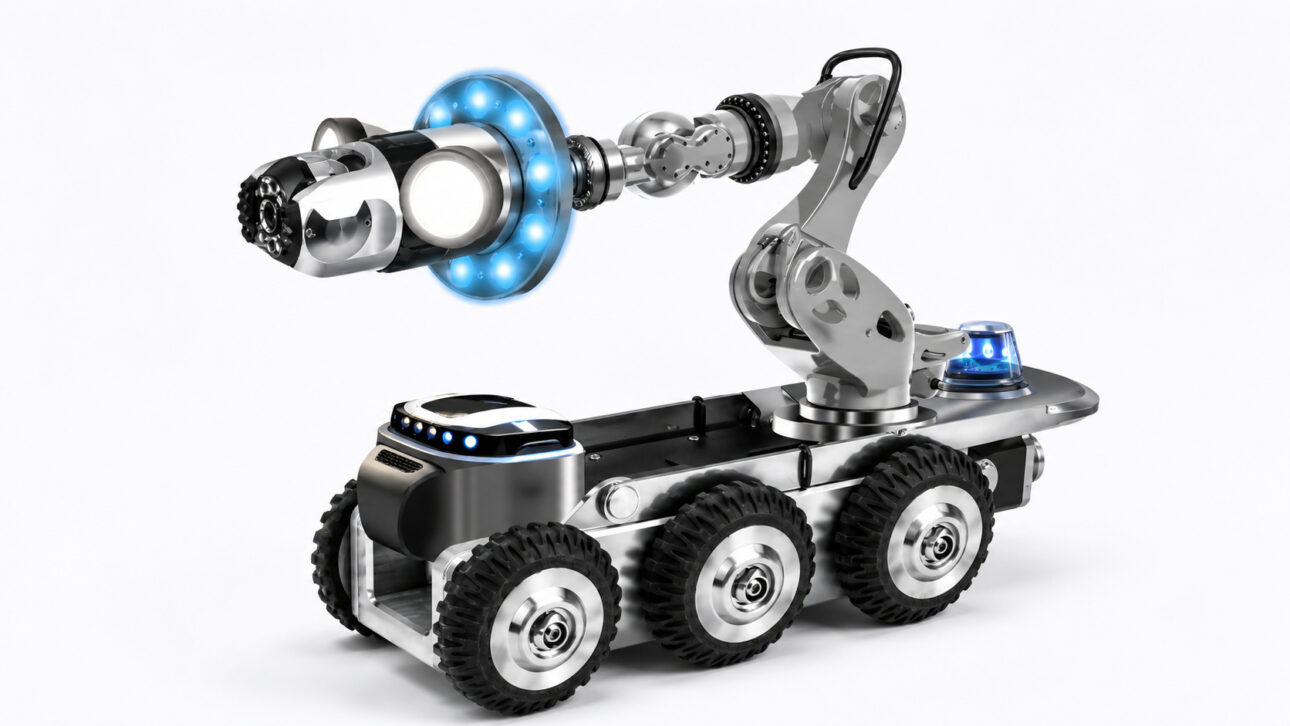
The sewer robot being tested in the United Kingdom was designed to monitor closed pipelines, detect signs of blockage before water backs up, and deliver early warnings that can provide more time for cleaning, inspection, and maintenance of the sewer network.
A sewer robot is under development in the United Kingdom to remain inside the sewer network and circulate through closed pipelines, spaces where a person cannot enter. The focus is to detect sewer blockages as they begin to form, before causing bad odors, water backup, and flooding.
The information was released by Pipebot Patrol, the official page of the British sewer robotics project. The machine was designed to continuously inspect the pipes and indicate the point where there is a risk of clogging.
The equipment is not yet widely used in cities. It remains in development and testing, so it does not replace workers, cleaning trucks, or inspections carried out by maintenance teams.
-
Xiaomi Launches 17T in Brazil with 120x Zoom, 6,500 mAh Battery, and Leica Cameras to Rival iPhone

-
Young Innovator Develops Low-Cost Synthetic Skin Using Buriti Oil to Aid Burn Victims, Gains International Recognition in the U.S.

-
17-Year-Old Brazilian Develops AI to Aid Students with ADHD and Dyslexia, Capturing Google’s Attention with Flexia
-
Internet Cables Installed Under Cities Detect Over 100 Water Leaks in Three Months, Cover 650 Kilometers, and Help Save 2 Million Liters Daily


Why sewer blockages are almost always discovered late
When grease, objects, and sediments enter a pipe, the passage can gradually become smaller. Since much of the sewer network is hidden, the problem often only appears when there is water backing up, a strong smell, or puddles on the street.
The maintenance team usually receives the call when the clog has already caused some inconvenience. At that point, it is necessary to locate the affected area, inspect the interior of the pipe, and determine the method of cleaning.
A camera can show what is happening in a part of the pipeline, but it enters the location during a specific inspection. The sewer robot was designed to monitor the system for a longer period and look for changes before an emergency.
The robot that patrols closed pipelines
The project places a mobile device inside the pipes to traverse sections of the sewer network and record signs that the passage may be becoming compromised. The intention is to alert the team about the area that needs attention.
The robot uses devices that measure distance and capture sounds. In simple terms, these tools help detect obstacles, identify changes within the pipe, and guide the path the machine should follow.
The difference lies in continuous monitoring. Instead of entering only when there is a suspicion, the machine is designed to remain in the system and raise an alert when it finds signs of blockage forming.
Tests show that the sewer robot is not yet ready for widespread use
On February 16, 2026, the prototype entered and traversed the first part of a selected pipeline section with manual control. The test also gathered and recorded sensor readings for evaluation.
This stage shows that the technology does not yet navigate the sewer network on its own. The ultimate goal is to achieve autonomous operation, but tests are still necessary to adjust the sensors, communication, and equipment functionality.
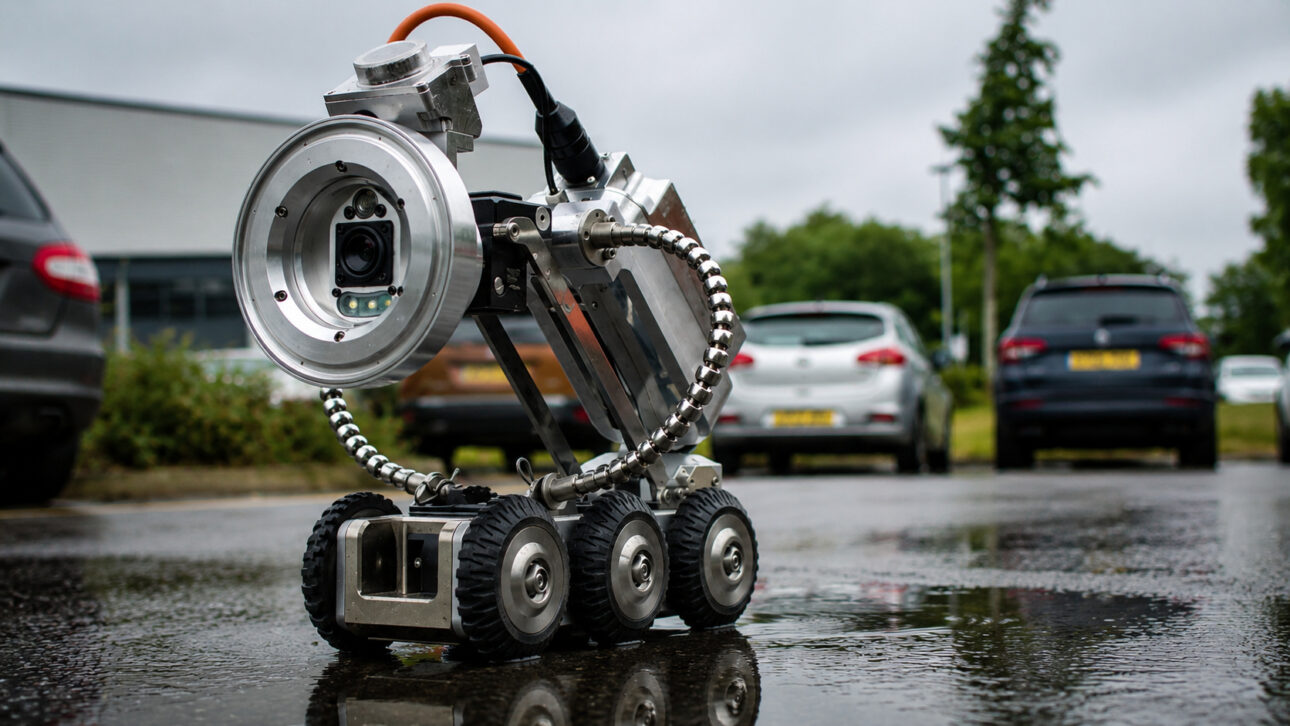
The project update also described checks on the fitting mechanism, data exchange between the robot and control computers, as well as the analysis of information captured within the pipelines.
Financing took the sewer robot project to the development phase
Ofwat, the economic regulator of water in England and Wales, announced on May 16, 2024 the funding of £1,615,325 for the development of Pipebot Patrol.
The project is led by Northumbrian Water and brings together companies, universities, and local administrations. The money is intended for the creation, construction, and testing of a robot capable of remaining in the sewer and identifying blockages while they are still forming.
The support does not turn the technology into a ready service for any city. The funding supports a development stage, with necessary tests before a possible larger application.
How early alerts can reduce emergency works
When a team receives an alert that a particular pipeline may be getting blocked, it gains more time to schedule the inspection and decide on cleaning. This can prevent the response from occurring only after water has already returned to a street or property.
The proposal does not promise to eliminate all blockages. The main expected effect is to create a greater chance to act before grease, objects, or sediments close the passage and cause flooding in the sewage system.
Human maintenance remains essential. The robot can indicate where the risk is, but workers still need to confirm the problem, remove the accumulated material, and repair the piping when necessary.
The British project aims to change the timing of when the sewage system receives attention. Instead of waiting for the problem to appear on the surface, the robot was created to look for signs inside the pipes while there is still time to act.
Do you believe that alerts within the sewage system could reduce the inconvenience of discovering a blockage only when dirty water has already reached the street? Leave your opinion in the comments and share this post.