Portuguese
  Spanish


Delivery could become much cheaper with robots and drones, according to a Barclays study, but the advance of automation is still small and promises to impact consumer prices and the job market by 2035
The large-scale adoption of robots and drones could change delivery as it exists today, driving down costs and reshaping the economics of food deliveries. This is what a recent study on sector costs indicates: according to a Barclays bank report released this week, autonomous technologies have the potential to reduce the cost of delivery to just US$1 per order, about R$5.
The scenario, however, comes with a direct side effect: employment. The same transformation that promises to tighten costs and ease margins could also affect thousands or millions of workers, should sidewalk robots and drones gain sufficient scale to replace a significant portion of deliveries made by humans.
Delivery at US$1: what the study projects and why it’s noteworthy
The most striking point in the report is the cost target: bringing an autonomous delivery down to US$1 per order. Today, in markets where labor is more expensive, the cost of an autonomous delivery would still be in the US$5 to US$7 range, equivalent to approximately R$25 to R$35.
-
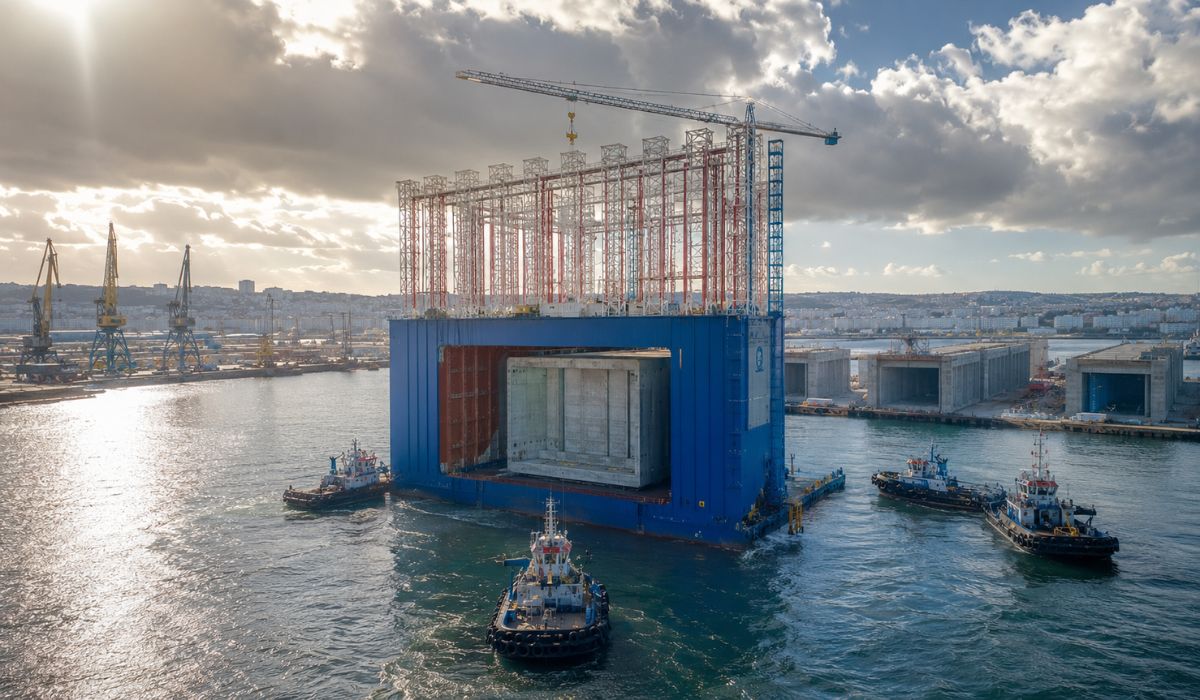
Spain Launches World’s Largest Floating Dry Dock: 56-Meter Giant Produces Massive Concrete Structures in A Coruña Using Technology Proven in Brazil

-
AI-powered toys that talk, recognize faces, and collect data face scrutiny from Brazilian government over children’s privacy concerns

-
4,000-Year-Old Child’s Skull Unveils Ancient Burial in 7,500-Year-Old Norwegian Rock Shelter, Impressing Archaeologists

-
Norway Defeats Brazil in World Cup but Invests Billions to Preserve the Amazon, Strengthens Amazon Fund, and Joins Brazil in Leading Global Effort Against Tropical Deforestation



Even so, the study highlights that, in these same regions, autonomous delivery can already be US$3 to US$4 cheaper than the service performed by human couriers, a difference of around R$15 to R$20. In the long term, the projection is that automation will generate savings of up to US$9, about R$45 per order, compared to traditional deliveries in developed countries.
The numbers that explain: less than 1% today and a race until 2035
Despite the promise, progress is still small. According to the study’s basis, less than 1% of global deliveries today are made by robots. The estimate is that this number will rise to 2% by 2030 and reach 10% by 2035.
In practice, this indicates a slow but continuous transition: a technology that still appears as an exception in delivery could become a significant market share in just over a decade, especially if costs continue to fall and if the infrastructure for robots and drones spreads.
How robots and drones reduce delivery costs and why scale is key

The report identifies scale as a central condition for price reduction. The logic is simple: the more robots on the streets and drones in the air, the lower the cost per trip tends to be, because volume dilutes expenses and reduces the burden of labor costs that currently pressure the profit margins of the delivery sector.
This detail changes the game. It’s not enough to have the technology working in tests or limited areas. For the cost to fall structurally, autonomous deliveries need to operate in large quantities, with repetition, frequency, and sufficient routes to make each order cheaper.
Who can get ahead: the companies identified as favorites in the short term
The report also mentions who might first capture the benefits of automated delivery. Companies already investing in partnerships with sidewalk robot and drone operators appear as natural candidates to reduce costs before competitors, precisely because they are better prepared in terms of infrastructure.
Among the short-term favorites, the study highlights Doordh and the Chinese Meuan, mentioned as companies with heavy investments in infrastructure and a greater chance of taking advantage of the initial adoption curve.
What changes for the consumer: price may fall, but the promise depends on becoming reality
The possibility of reducing cost per order raises the question that interests those who order food: will delivery really become cheaper? The report suggests a possible path, but conditions the outcome on the pace of adoption and scale.
In other words, there is a projection of a significant drop in delivery costs, but it depends on a scenario where robots and drones cease to be a rarity and begin to operate in volume, with constant and widespread presence. Without this, the reduction may be limited to niches, specific routes, or regions with more favorable conditions.
The direct impact on millions of jobs: the most sensitive side of automation in delivery


The same efficiency that drives down costs can put pressure on the job market. If a growing portion of delivery shifts to robots and drones, the effect tends to appear in the volume of available jobs for human delivery drivers, especially in countries and regions with high labor costs.
The report highlights this risk directly: thousands or millions of jobs could be affected if the advance of automation is confirmed at the predicted speed, transforming not only the price of delivery but also the structure of the sector and the income of those who currently depend on these deliveries.
The next steps: what to observe between now, 2030, and 2035
By 2030, automated delivery is projected to reach 2% of global deliveries, a significant leap from less than 1%, but still small compared to the total market. The 2035 milestone, with 10%, already points to a more noticeable impact on costs, operations, and employment, if the scaling occurs as predicted.
In the short term, the trend is that the first beneficiaries will be companies that have already structured partnerships and infrastructure. In the medium and long term, the final result should depend on how many robots and drones will actually be put into operation and whether this will translate into lower prices for the consumer.
If robots and drones really drive down delivery costs, do you think the price will drop for the customer, or will the main change appear in employment and company margins?