






 Portuguese
  Spanish
  4 min of reading
  2 comments


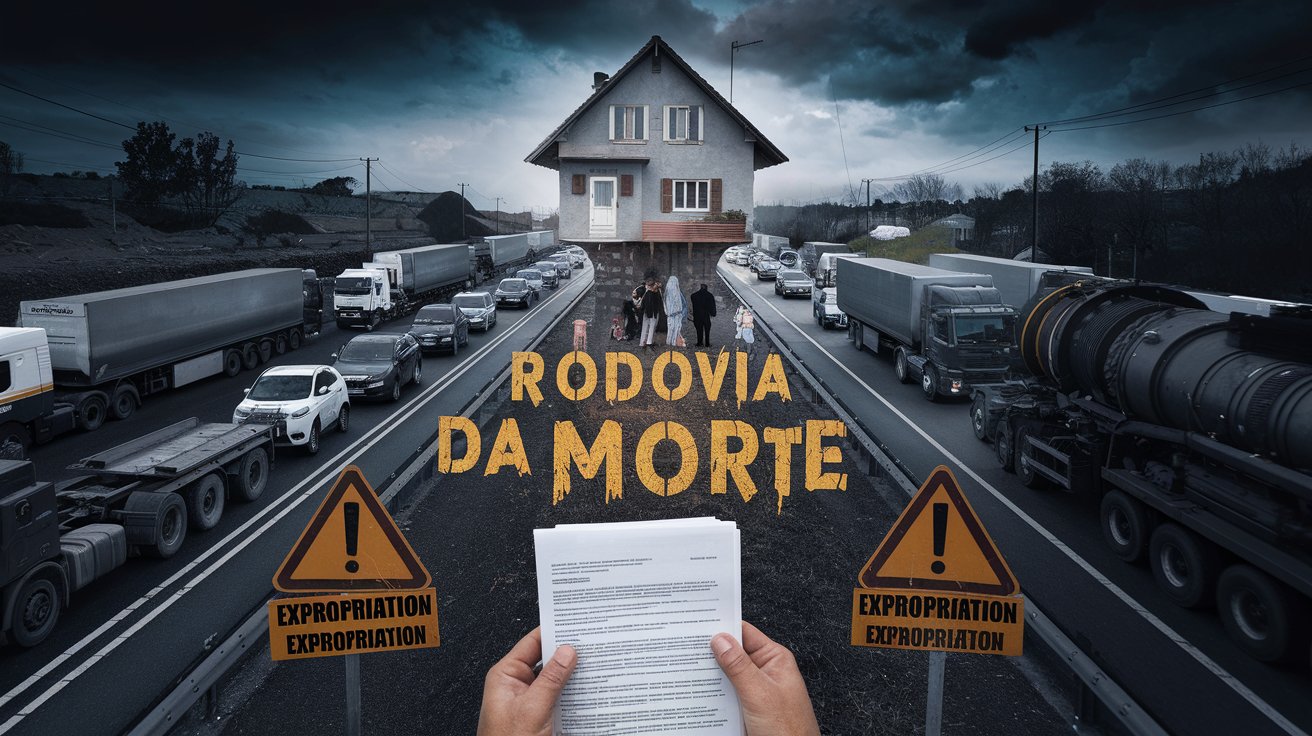


The Feared BR-381, Known As “Highway of Death”, May Finally Be Duplicated, But A Stalemate Persists: More Than 1,700 People Will Need To Leave Their Homes! The Federal Government Promises Progress, But Residents Are Still Without Concrete Answers. Indemnities And Resettlements Are Still Uncertain, While The Danger On The Highway Continues.
The duplication of BR-381, known as “Highway of Death”, is a promise that has dragged on for decades, but a stalemate involving more than 1,700 people living along the roadside is preventing the works from advancing.
According to an article by newspaper O Tempo, these families may lose their homes, as the project envisions the removal of hundreds of properties in the 40 km stretch between Belo Horizonte and Caeté, one of the most critical areas of the highway.
A Stalemate That Crosses Generations
Street vendor Cristiane Cardoso de Souza, aged 35, lives in the Bom Destino neighborhood in Santa Luzia, and her house is located just one meter from the road.
-
Chinese Giant Uses Metal Structures and Cranes to Deliver Over 700 Electric Cars to Brazil

-
Brazilian Joins Homeownership Consortium, Faces Decade of Dual Payments Totaling $141,000, Surpassing Traditional Mortgage

-
Land Rover to Halt Production in July, Putting 371 Jobs at Risk, as Chinese Automaker Negotiates to Convert Factory to 100,000 Vehicles Annually by 2027

-
Uber Faces Shareholder Scrutiny as Board Accused of Ignoring Safety, Compliance, and Harassment Warnings Amid Over 3,500 U.S. Lawsuits


Her situation represents the dilemma faced by many families living close to the highway.
The National Department of Transport Infrastructure (Dnit) has informed that the homes will need to be removed, but there is no official date for indemnities.
“This is not the first time they say we will have to leave. Then nothing happens”, laments Cristiane, who has lived there for 30 years.
This section of BR-381 has not been granted to the private sector, unlike the stretch from Caeté to Governador Valadares, where the federal government has already announced the start of the duplication works.
The estimated cost for the interventions and expropriations reaches R$ 1.3 billion, but the lack of progress in negotiations raises doubts about the project’s advancement.
Vila da Luz: Uncertainty And Risk
The situation is repeated in Vila da Luz, in Belo Horizonte, a community that emerged about 20 years ago and was built within the highway’s domain area.
Imaculada Conceição da Silva, aged 55, was one of the first to build a house in the area and, over the years, has witnessed countless promises of resettlement that never materialized.
“Many times they said we would have to leave, but to this day nothing has happened”, says Imaculada, who raised four children in the community.
In Vila da Luz, about 300 properties are set to be expropriated to enable the highway duplication.
Meanwhile, residents live without adequate infrastructure, relying on illegal water and electricity connections.
Many cannot even receive mail, being forced to provide addresses of relatives and friends to maintain contact with banks and other institutions.
Risky Crossings And Poor Infrastructure
One of the biggest challenges faced by Vila da Luz residents is crossing BR-381.
To access essential services such as schools, markets, and health clinics, they need to cross the highway, facing heavy traffic and risk of accidents.
There are two makeshift footbridges in the area. The main one, supported by scaffolding, still appears to be under construction.
Another footbridge leads to the Nazaré neighborhood, but some residents must walk up to 15 minutes to access it, increasing their exposure to danger.
“We have already lost relatives here”, reports Viviane Gonçalves de Almeida, owner of a beauty salon and representative of the residents’ committee. “We spend our lives having to cross the highway”, she emphasizes.
The community demands a swift resettlement process and fair indemnities, but negotiations are progressing slowly.
A legal process is underway to mediate the payment of compensations, but residents have not yet received concrete deadlines.
Stalled Works And Delayed Promises
The duplication of BR-381 has been a promise of the federal government for 35 years, but successive delays increase the population’s distrust.
Recently, the Minister of Transport, Renan Filho, announced the start of negotiations for the 40 km stretch between Belo Horizonte and Caeté, but without a definitive solution for the residents, the works remain blocked.
The Main Problems For The Duplication Of BR-381 Include:
- High Number Of Expropriations: More Than 1,700 People Affected;
- High Cost: R$ 1.3 Billion Between Works And Removals;
- Poor Infrastructure And Lack Of Resettlement For Displaced Families;
- Lack Of A Clear Schedule For The Start And Completion Of Expropriations.
While the stalemate persists, the Highway of Death continues to record accidents and deaths. Without the duplication, the intense traffic and precariousness of the road continue to put thousands of drivers and pedestrians at risk.
The population demands urgency and transparency from the government, fearing that this is just another promise that will never be fulfilled.


Ótima matéria!
1700 casas não valem uma vida