Portuguese
  Spanish


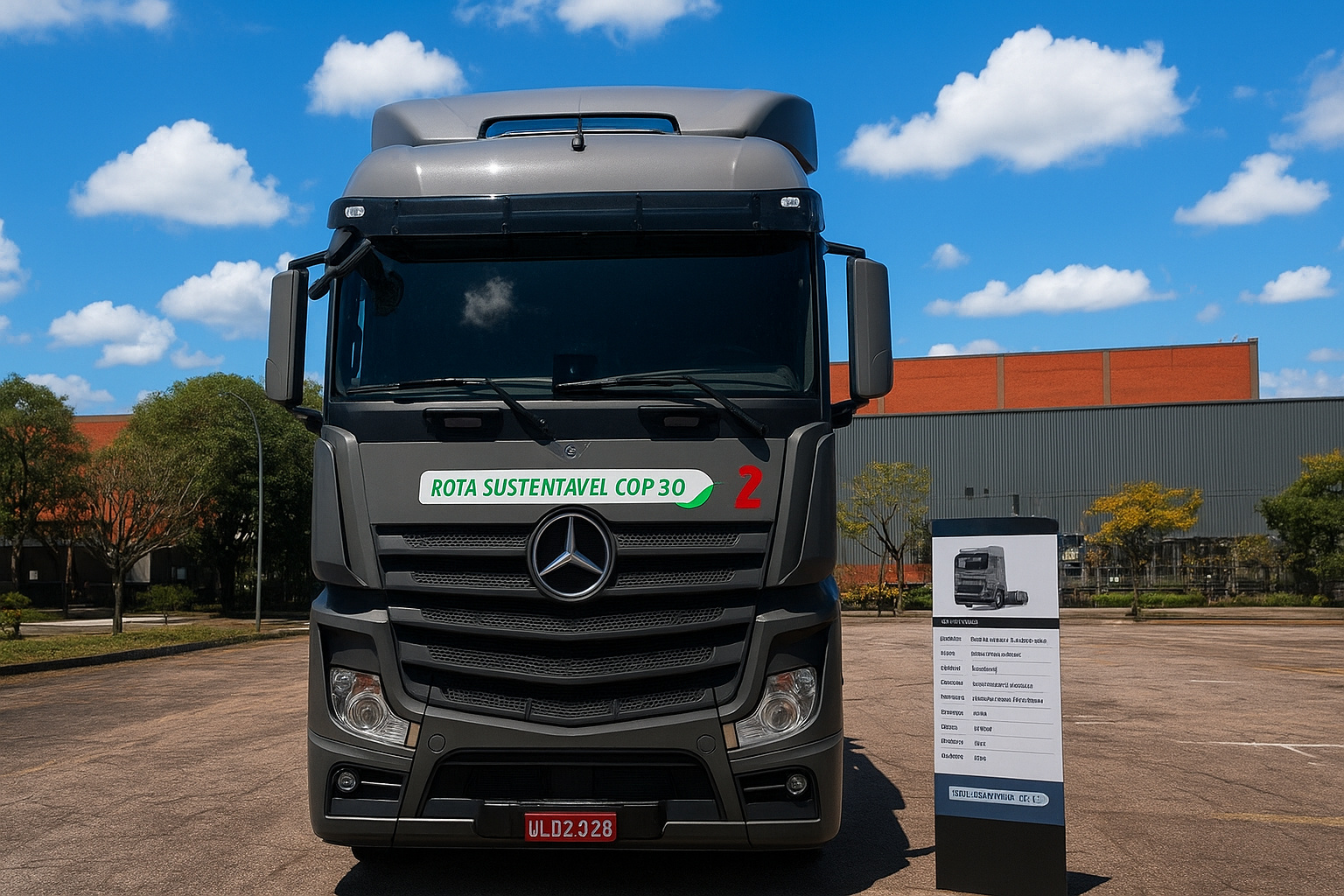

Discover How The Sustainable Route COP 30 Transforms Transportation With 100% Renewable Biofuel And Strengthens Brazil’s Environmental Commitment.
The search for clean and economically viable energy alternatives has become one of the greatest priorities of the 21st century. In Brazil, a country recognized for the diversity of its energy matrix, the Sustainable Route COP 30 emerges as a milestone.
This project represents more than a technological advance. It symbolizes a coordinated effort between government, industry, and science to reduce emissions and consolidate the energy transition before the 2025 Climate Conference in Belém.
The Global Context And Brazil’s Role In The Energy Transition
Since the 1970s, with the oil crisis, Brazil has been investing in renewable alternatives. The National Alcohol Program (Proálcool) was one of the first initiatives that positioned the country as a reference in biofuels.
-
US$ 7 billion, green hydrogen, and steel with up to 95% less CO₂: the first green steel plant on the planet emerges in Sweden and targets Brazil as the next chapter

-
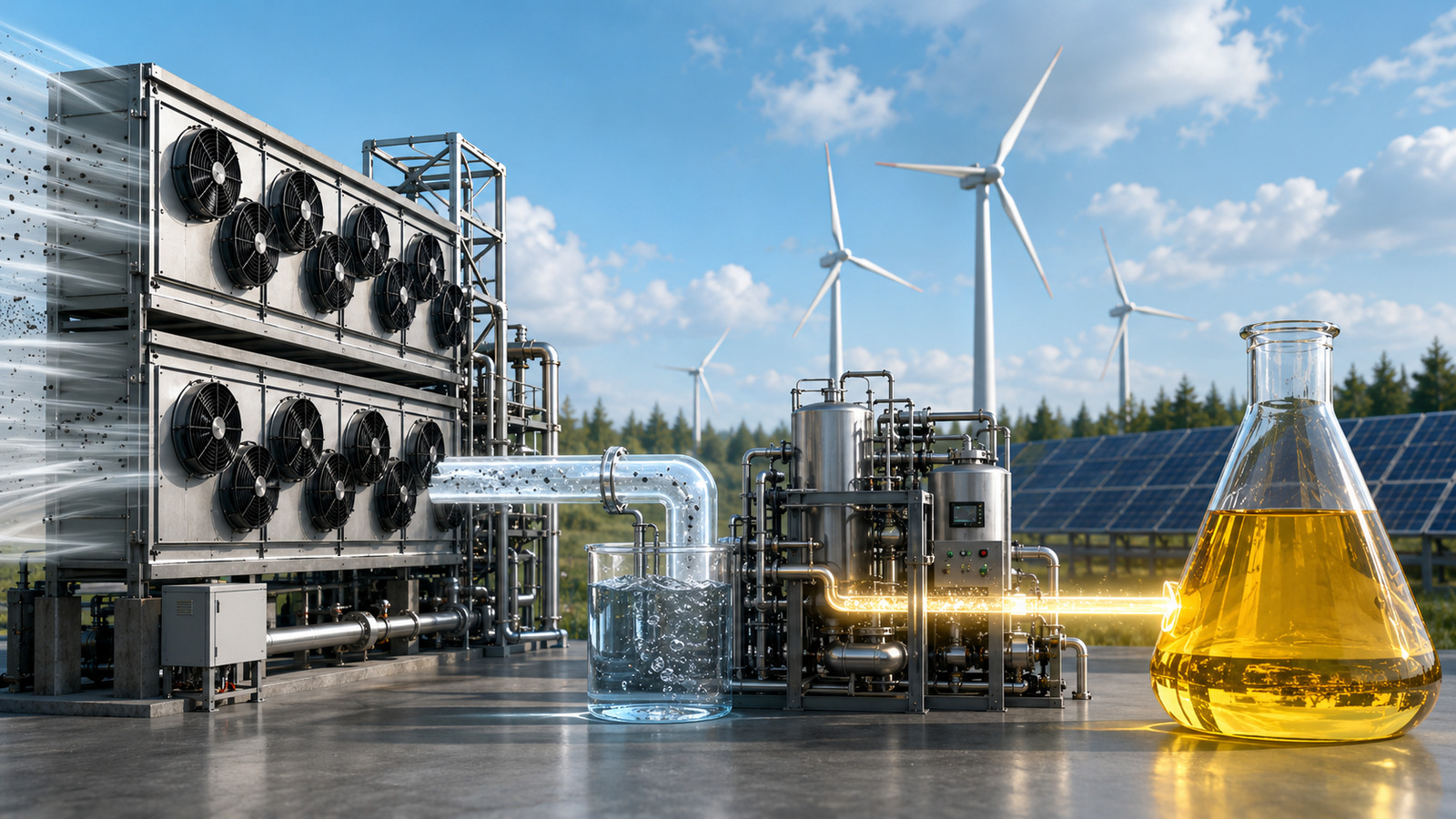
Swedes manage to create synthetic fuel with CO₂, water, and renewable energy, compatible with current engines, but face a huge problem: the energy expenditure is still double the return.
-
Brazil begins to transform wheat, residues, sweet potatoes, and soy molasses into ethanol, in a new phase of biofuels that seeks to utilize leftovers from the field and industry to fuel flex-fuel cars.

-
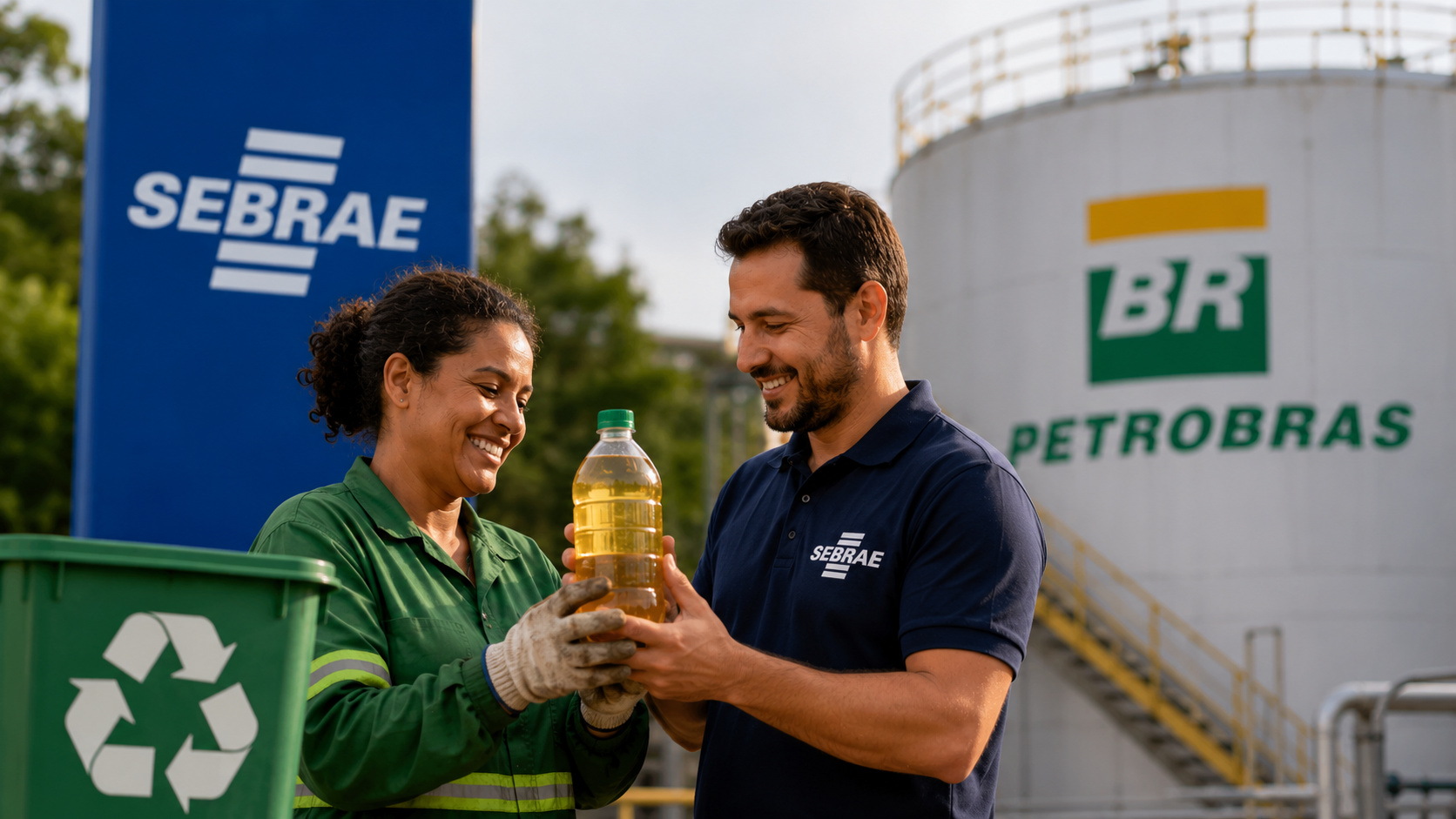
Sebrae and Petrobras join forces in Ceará to include waste pickers in the circular economy and strengthen the biofuel chain, creating new income opportunities and expanding the sustainable use of waste with a direct impact on regional development.


Decades later, the world is once again looking at Brazil, now as a protagonist in the decarbonization race. COP 30, which will be held in Belém, amplifies this role and positions the country as a model of energy sustainability.
The Sustainable Route COP 30 is born from this context, proposing a structural change in transportation and fuel production.
It unites universities, automakers, and companies in the energy sector in a single mission: to develop a 100% renewable biofuel, capable of drastically reducing emissions while maintaining high performance in conventional engines.
A 100% Renewable Biofuel In Testing
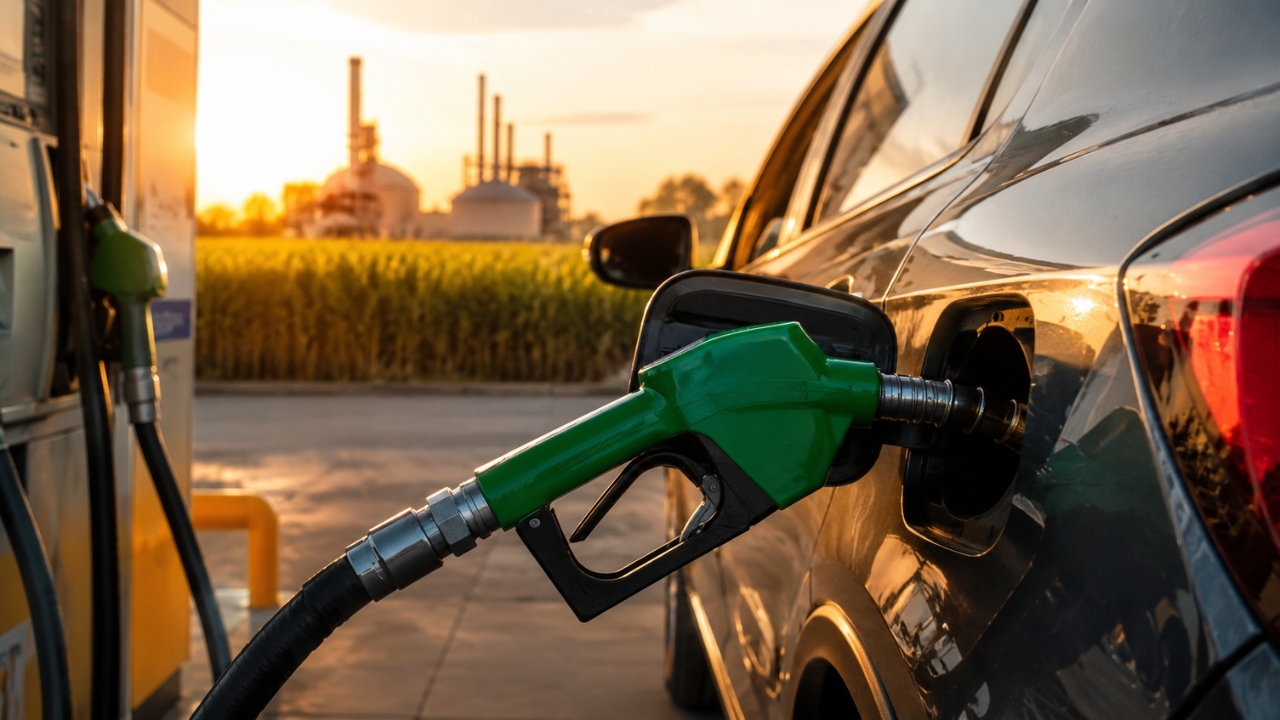
The fuel used in the Sustainable Route COP 30 was developed from plant sources and organic waste. It completely replaces fossil diesel without the need to adapt engines or fueling systems.
In the tests conducted, the performance of the new biofuel proved to be efficient, with reduced emissions and stability similar to regular diesel. This means that soon large vehicles will be able to operate with less environmental impact without losing power.
Additionally, preliminary results reveal significant economic potential. The biofuel production chain can generate local jobs and encourage sustainable farming, especially in the Amazon region, where the focus of COP 30 is concentrated.
The Historical Path Of Biofuels In Brazil
Brazil’s journey in biofuel production is long and marked by innovation. After the success of ethanol, the country bet on biodiesel, thus integrating family farmers and expanding the renewable base of the energy matrix.
The Sustainable Route COP 30 is the natural evolution of this process. It combines decades of knowledge with new chemical conversion and carbon capture technologies.
Thus, the project reinforces the Brazilian tradition of transforming energy challenges into environmental opportunities. From the first alcohol-powered engines to airplanes fueled with biofuel, the country has always sought low-impact, high-yield solutions.
Integration Between Science, Government, And Industry
The success of the Sustainable Route COP 30 relies on cooperation between different sectors. Universities provide the scientific basis. In this way, companies invest in research and development. The government creates incentives and regulations to enable large-scale adoption.
This integration is essential to ensure that the new fuel is not restricted to experimental tests. It is necessary to transform the prototype into a commercial solution capable of fueling entire fleets and reducing the national carbon footprint.
Brazil, having experience in biofuel production and distribution, has ideal conditions to lead this transition. The existing infrastructure and accumulated technical knowledge thus allow for the acceleration of the implementation of the sustainable route.
Connection With COP 30 And The Global Climate Agenda
The United Nations Conference on Climate Change (COP 30) will be a decisive moment. For the first time, the event will take place in the Amazon, a region that symbolizes both the challenges and solutions to the climate crisis.
By aligning with COP 30, the sustainable route gains international strength. It shows that Brazil not only discusses climate targets but also presents concrete results in the decarbonization of transportation.
During the event, the biofuel will be tested in official vehicles, reinforcing the country’s image as a living laboratory for sustainable innovation.
Social And Economic Impacts Of The New Route
The adoption of 100% renewable biofuel will bring benefits not only environmentally. It can stimulate local production chains, generate income for rural communities, and strengthen small agricultural cooperatives.
Sustainable production involves utilizing waste and cultivating oilseed plants in already degraded areas, avoiding deforestation and promoting environmental recovery.
Moreover, economic gains extend to public transportation and the logistics sector, which will be able to reduce operational costs with fuels and carbon offsets.
Technological Advancement And Future Challenges
Despite the advances, there are still technical and logistical challenges. Large-scale production requires continuous investments, environmental certifications, and adaptation of the distribution chain.
However, the outlook is promising. Brazil has vast agricultural areas and scientific expertise to expand biofuel production without compromising food security.
The development of new chemical routes, such as the use of green hydrogen in the formulation of renewable fuels, also broadens the possibilities for the future of clean energy.
The Energy Transition As A Legacy Of COP 30
More than a diplomatic event, COP 30 should be remembered as a practical milestone in the global energy transition. The sustainable route represents a firm step in this direction, showing that innovation and sustainability can walk hand in hand.
The project reflects Brazil’s capacity to propose real and scalable solutions, based on science, technology, and environmental commitment.
By investing in 100% renewable biofuels, the country reaffirms its role as a leader in clean energy and climate mitigation policies.
A Future Powered By Clean Energy
The success of the sustainable route COP 30 may inspire other countries to adopt similar models. This Brazilian experience reinforces the idea that decarbonization is not only an environmental goal but also a strategy for economic and social development.
With continuous investment, support for research, and political backing, the new 100% renewable biofuel has the potential to redefine the future of transportation, reduce emissions, and strengthen Brazil’s energy sovereignty.
Thus, the sustainable route COP 30 symbolizes a new stage in the national journey toward a cleaner, fairer, and more balanced world.