






 Portuguese
  Spanish


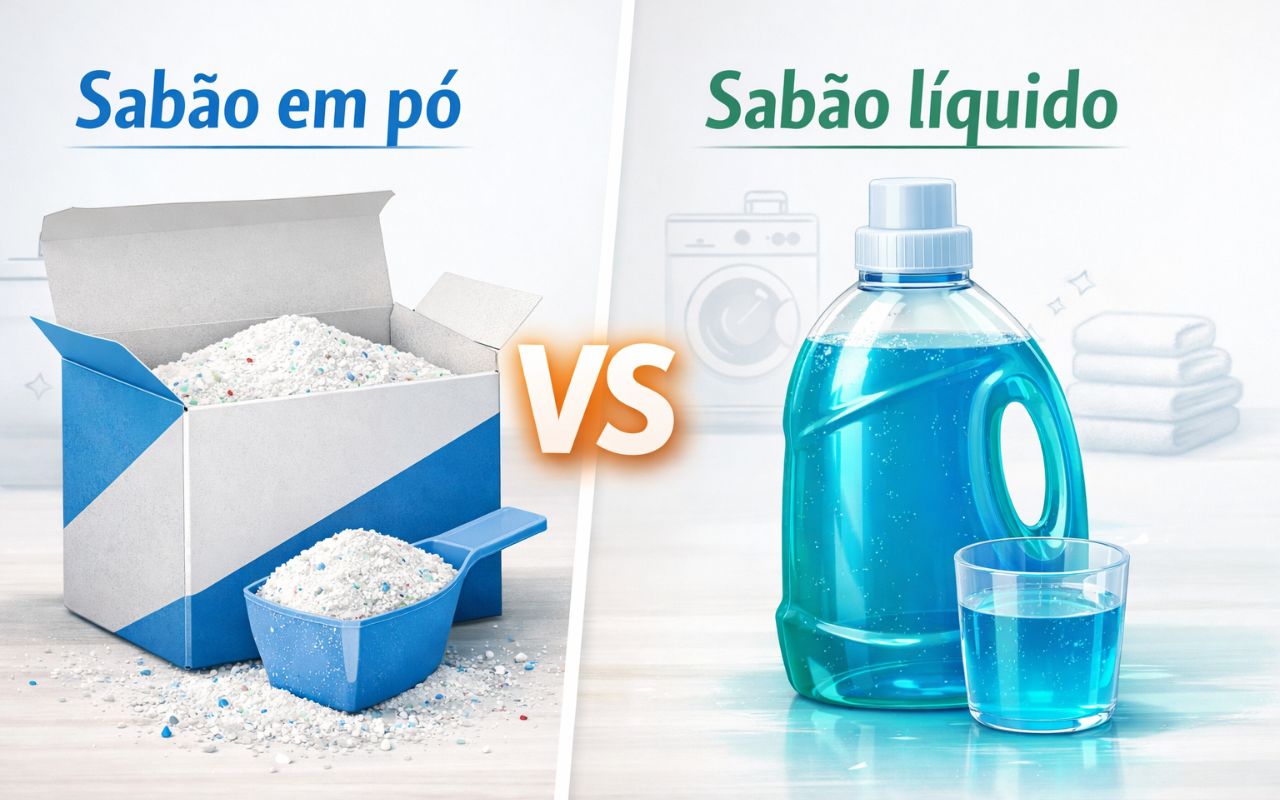


Powder Detergent or Liquid Detergent? See The Difference Between The Detergents, How They Work In Washing And Which Option Is More Efficient For Daily Use.
Choosing between liquid detergent or powder detergent may seem simple, but it involves more science than many imagine.
The difference between the two affects stain removal, product consumption, garment durability, and even the hygiene of the washing machine.
Understanding how each detergent works helps consumers make more efficient, economical, and conscious choices in their daily lives.
-
Bruno Guimarães, 28, Misses Crucial Penalty Against Norway in World Cup After Replacing Vinicius Jr.

-
Inspired by a school lesson on Africa’s water crisis, a young boy raised money through chores to fund a well that transformed a Ugandan community.

-
Brazilian Construction Worker Moves to France, Earns Up to €2,500 Monthly with Home Renovations, Gains Social Media Attention

-
US Navy Sinks USS Oriskany with 230 kg of C-4, Creating World’s Largest Artificial Reef in 37 Minutes





Powder Detergent Or Liquid Detergent: See The Difference
Although both serve the same purpose, liquid detergent and powder detergent work in distinct ways during washing. This occurs because the chemical composition changes depending on the product format.
In practice, this difference influences everything from cleaning effectiveness to the environmental impact of the packaging.
All detergents work thanks to surfactants, substances that remove grease and dirt from fabrics.
They have two ends: one that binds to water and the other to grease.
This way, dirt is “captured” and eliminated during rinsing. However, the water used in washing can interfere with this process.
How Water Interferes With Efficiency
In regions with hard water, rich in calcium and magnesium, surfactants lose some of their effectiveness.
To counteract this, manufacturers add compounds that neutralize these mineral salts.
This solution is present in both powder detergent and liquid detergent, but in different ways.
What Makes Powder Detergent Different?
Powder detergent is mainly composed of salts that give structure to the product and prevent it from clumping. One of the most common is sodium carbonate, which helps dissolve heavier stains.
Additionally, many powders contain oxidizing agents, which act as mild bleaches. This makes powder detergent more effective on heavily soiled clothes or washes at higher temperatures.

What Changes In Liquid Detergent?
In liquid detergent, water is the main ingredient. This forces all components to be stable within the packaging.
For this reason, liquid detergent does not contain peroxides. Instead, it uses optical brighteners, which create the visual sensation of brighter clothes, even without completely removing dirt.
A practical advantage is that the liquid can be applied directly to stains before washing.
Do Enzymes Make A Difference?
Yes. Many detergents, both powder and liquid, contain enzymes, proteins that break down specific types of stains.
They work best at moderate temperatures. Very hot water can deactivate these enzymes, reducing washing efficiency.
Impact On The Washing Machine
A less discussed difference lies in the maintenance of the machine. Powder detergent often contains compounds that hinder the proliferation of microorganisms.
On the other hand, liquid detergent, by not containing oxidizing agents, can promote the formation of mold biofilms inside the washer if cleaning is not regular.
Liquid Detergent Or Powder Detergent: Which Is More Worth It In Daily Use
The choice between liquid detergent or powder detergent depends on usage:
- For very dirty clothes, powder detergent tends to be more efficient.
- For quick cycles and cold water, liquid detergent offers practicality.
- For those looking for a lower environmental impact, powder often comes in recyclable packaging.
There is no universally better detergent. The ideal is to adjust the product to the type of wash, amount of clothes, and water temperature.
Understanding the difference between powder detergent and liquid detergent allows for better washing, saving product, and extending the lifespan of clothes.
This text had its original version published in English on the portal The Conversation, authored by Nathan Kilah, senior chemistry professor at the University of Tasmania, Australia.
With information from Revista Galileu.





