Portuguese
  Spanish


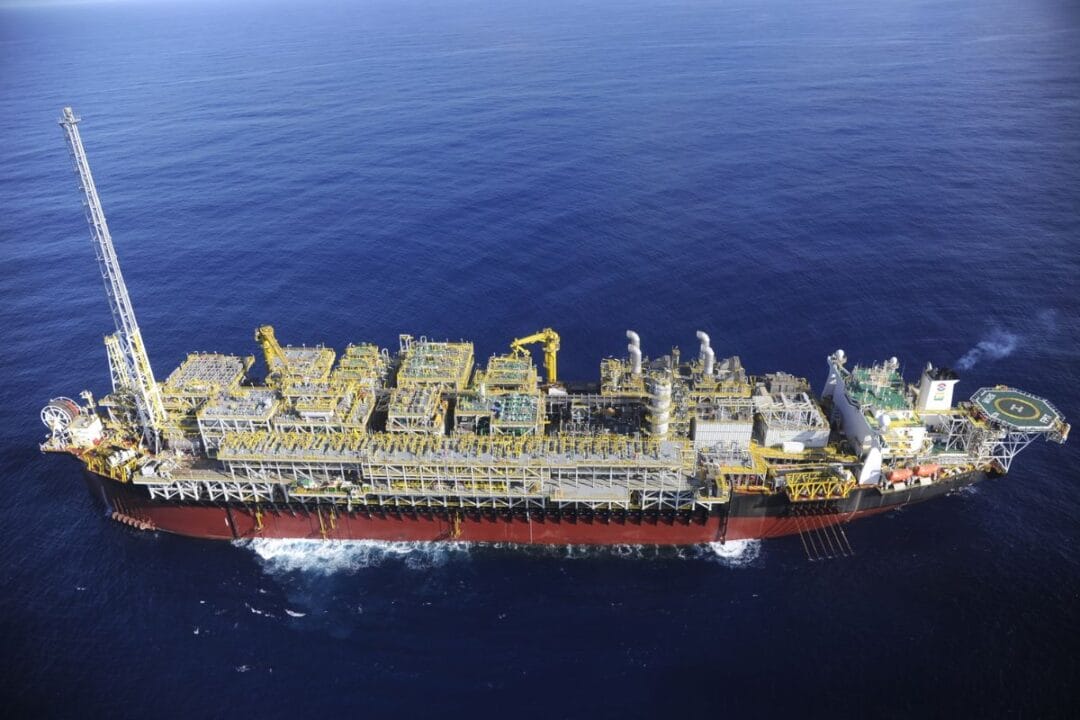

Modec-Operated Platform in the Tupi Field Achieves Gas Utilization Index of 99.56% and Stands Out for Drastically Reducing Gas Flaring in Oil Production
The search for cleaner operations in the oil and gas sector is no longer a trend, but a requirement. Vitor Padua, who works in the pre-operation and commissioning of the FPSO P-79, has just released the official ranking of the Greenest FPSOs in Brazil for 2024, evaluating the 20 platforms with the highest oil production in the country. At the top of the list is the FPSO Cidade de Itaguaí (MV-26), with an impressive Gas Utilization Index (IUGA) of 99.56%, establishing itself as a reference in efficiency and sustainability in the offshore sector.
The unit, operated by Modec in partnership with Petrobras (65%), Shell (25%), and Petrogal (10%), operates in the Tupi Field (formerly Lula) and had an average gas flaring of only 29.6 thousand m³ of natural gas per day — a significant technical milestone for a facility of this size.
What is IUGA and Why is it So Important?
The IUGA is the main metric currently adopted by Petrobras to evaluate the environmental performance of production platforms. It represents the efficiency in utilizing the natural gas produced alongside oil. The higher the index, the lower the flaring of gas, resulting in lower greenhouse gas emissions and less waste of a valuable energy resource.
-
OPEC+ Boosts Oil Supply by 188,000 Barrels per Day in July 2026, Leading to Price Drop from $112 to $89 per Barrel in Under Two Months

-
TotalEnergies Signs 20-Year Deal to Purchase 2 Million Tons of LNG from Alaska, Boosting Project Viability
-
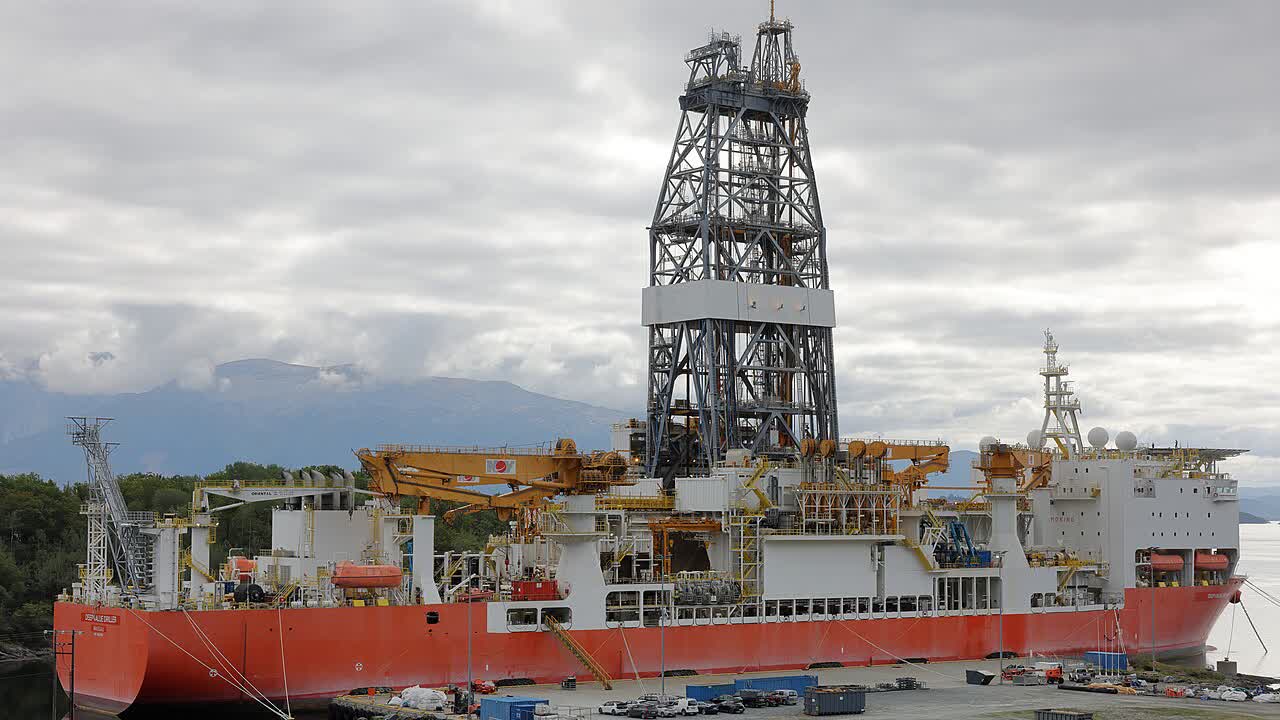
Turkey Deploys Çağrı Bey Drilling Ship to Explore New Oil Frontier Off Somalia’s Coast
-
Golden Pass LNG Ships First Liquefied Gas Cargo from the U.S., Completing $10 Billion QatarEnergy and ExxonMobil Investment

Modern platforms incorporate technologies such as:
- FGRU (Flare Gas Recovery Unit)
- HC Blanketing (Tank Vapor Emission Control)
- CCUS (Carbon Capture and Reinjection)
- Efficient Electric Generation with Turbines and Combined Cycle
Who are the Highlights Among the Greenest FPSOs in Brazil

Following closely behind the FPSO Cidade de Itaguaí (MV-26) is the FPSO P-70 from Petrobras, with a IUGA of 99.12% and an average flaring of 47.9 thousand m³/day, operating in the Atapu field. The unit is 89.25% Petrobras and includes participation from Shell, TotalEnergies, Petrogal, and PPSA.
In third place is the FPSO P-71, also from Petrobras, with a IUGA of 99.01% and an even lower flaring: 19.5 thousand m³/day. A notable difference is that this unit operates without partners, being 100% Petrobras in the Itapu field — a rare case in the Brazilian pre-salt.
The Path to Offshore Decarbonization Has Already Started
Petrobras and its partners have been adopting the IGEE (Intensity of Greenhouse Gas Emission) since 2021 as one of the company’s key metrics. Environmental performance now directly influences the variable remuneration of employees and guides investment in new technologies.
The trend for the coming years is clear: more efficient FPSOs with a smaller carbon footprint and more embedded innovation. The Brazilian offshore industry is increasingly aligned with global sustainability and emission reduction goals.