






 Portuguese
  Spanish


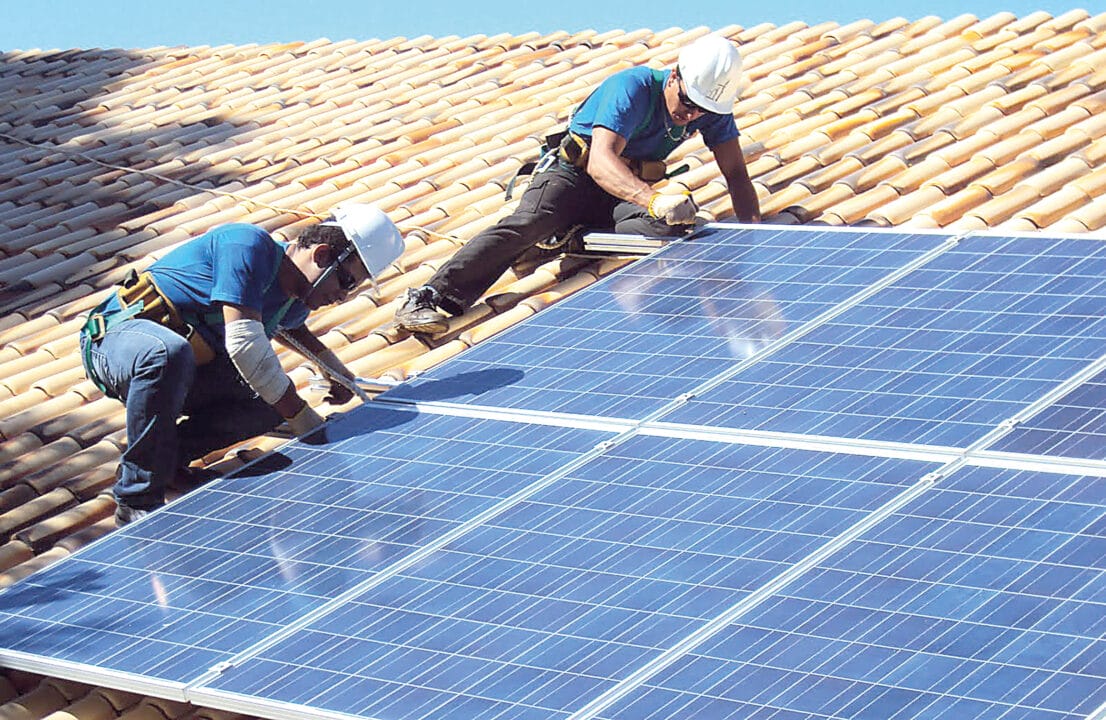

Santander Unveils Initiative Promising To Reduce Electricity Bills For Thousands Of Brazilians. This Is A Project For Solar Energy Subscription In Partnership With FIT Energia.
Santander and its affiliate FIT Energia launched a kind of solar energy subscription service through shared generation from partner farms that promises to reduce the electricity bill. In an interview, FIT CEO Bruno Menezes stated that the capacity to serve in partnership with Santander is 500 MWp contracted and the goal is to reach about 500 thousand customers by the end of the year.
How Does Santander’s Solar Energy Subscription Work?
The idea is to attract customers who cannot install photovoltaic panels and who wish to save up to 15% compared to their current quota value without construction or investment, depending on each region.


The offer announced by Santander and FIT Energia this Wednesday (April 16) covers consumers in 13 states, among 18 concessionaires. The focus of the solar energy subscription is an electricity bill above R$ 250 for individuals and R$ 500 for businesses, provided they are not also allocated in the free market.
-
Brazilian scientists are simultaneously advancing two research projects on clean hydrogen and driving solutions that could transform the energy matrix, enhance industrial competitiveness, and accelerate large-scale emission reduction targets.

-
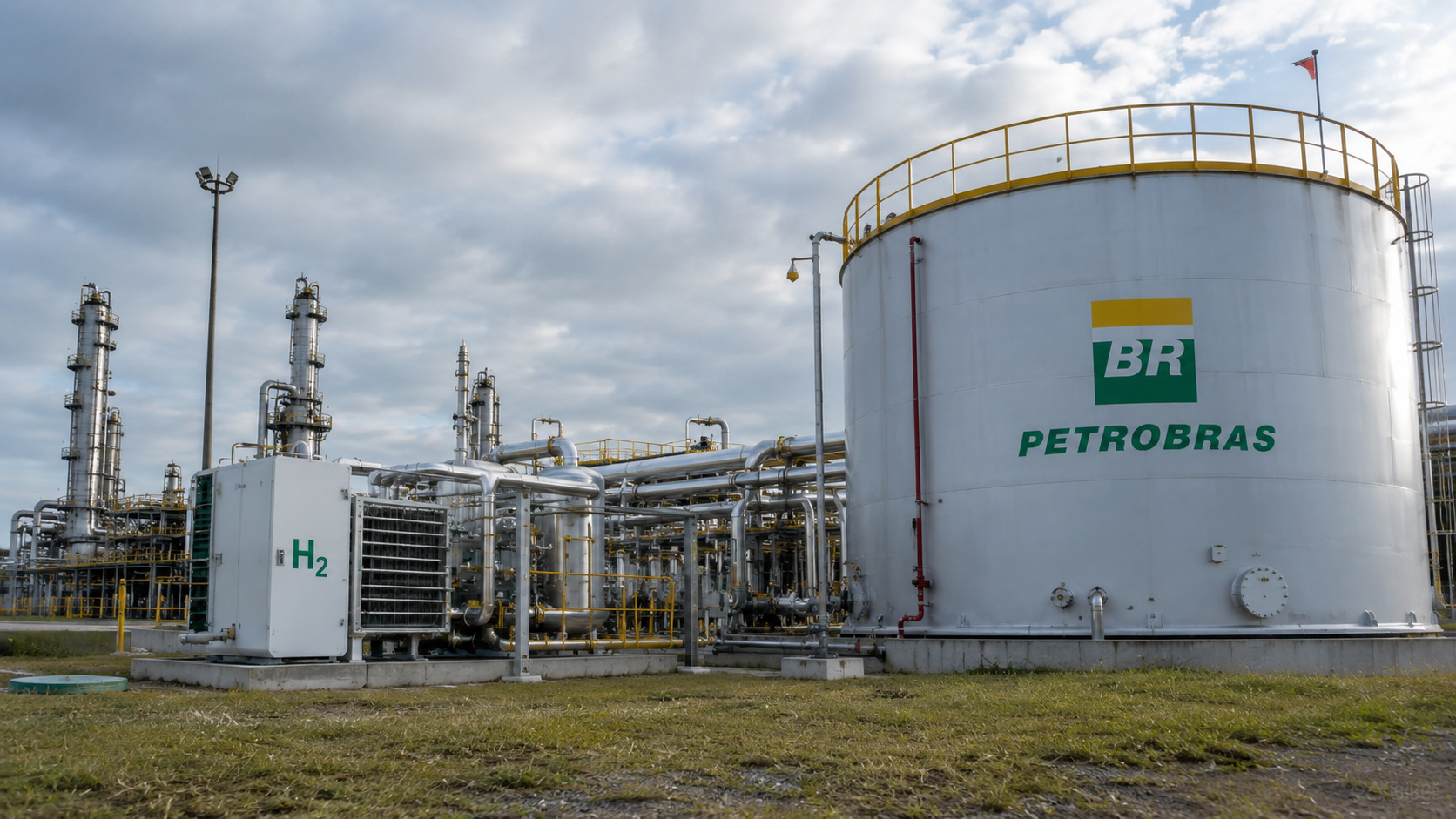
Advancement in renewable energy: A R$ 150 million project launched by Petrobras and Finep aims to create state-of-the-art electrolyzers for green hydrogen, strengthening national research and preparing Brazil to compete in a billion-dollar energy market.
-
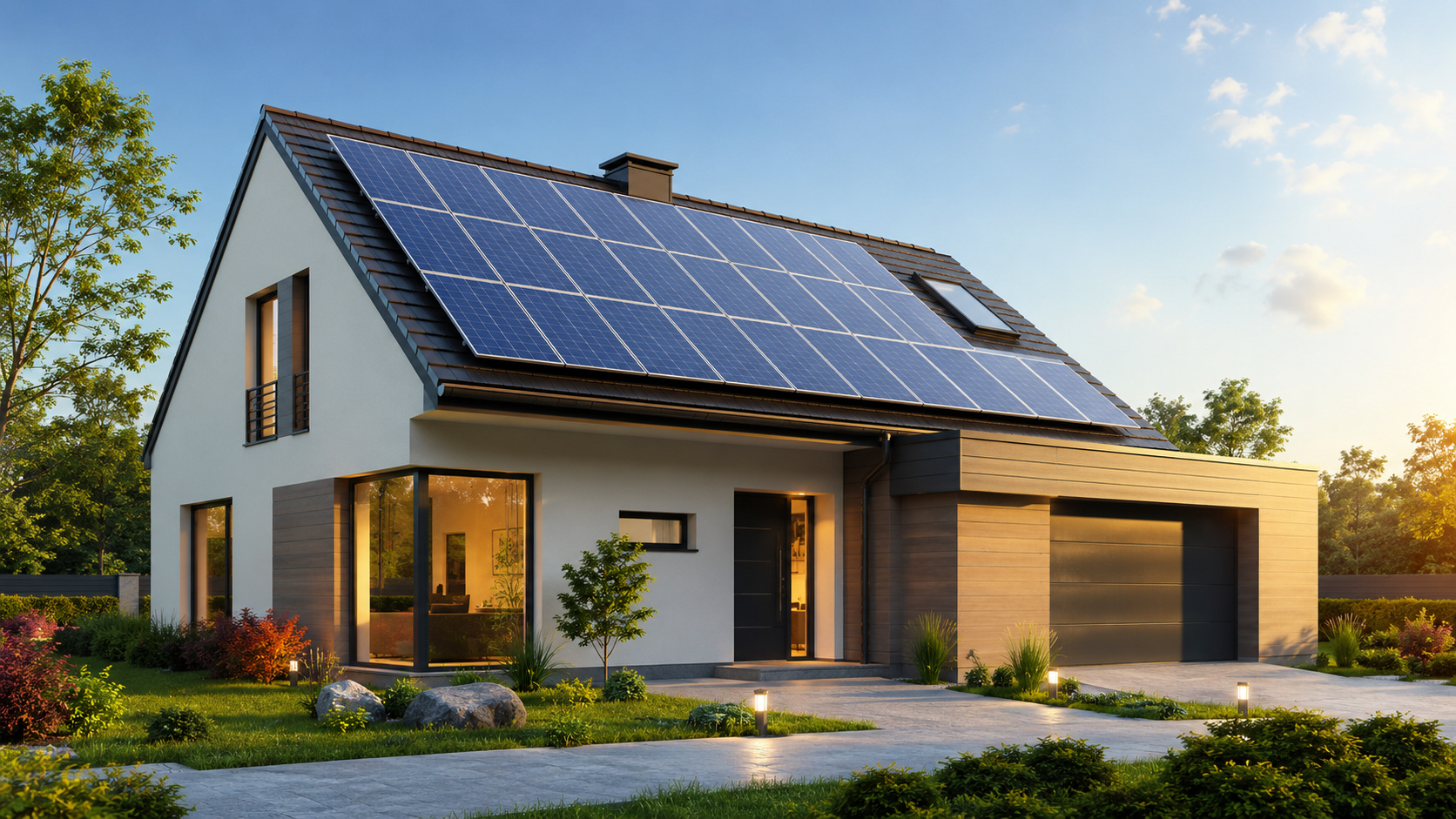
Solar energy can increase property value by up to 10% and become a selling point.
-
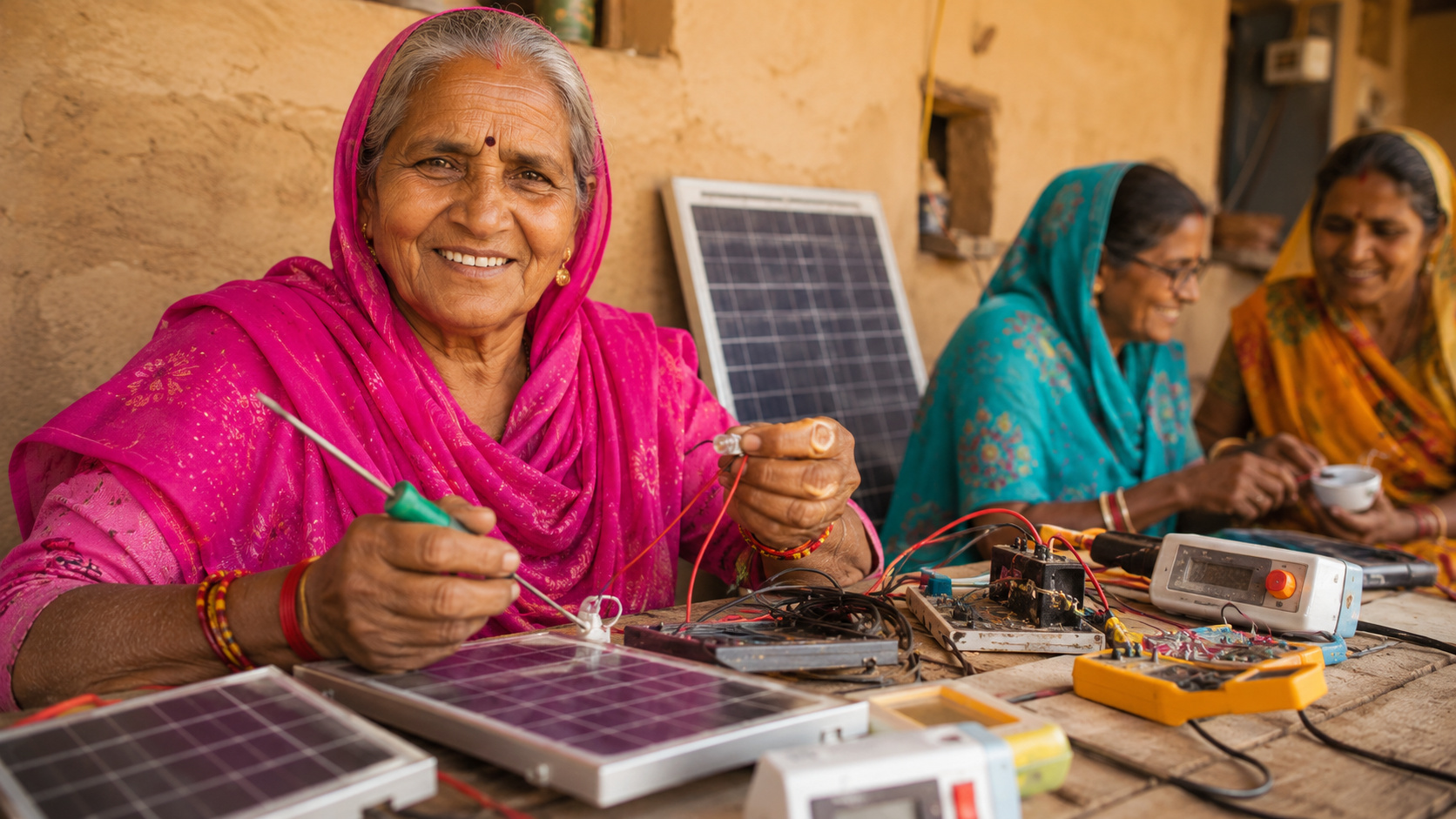
Illiterate or semi-literate grandmothers were trained to repair solar systems, open rural workshops, and light up homes that still depended on kerosene.

According to the executive, who sees little feasibility at the moment for the projects of the so-called GD2, both for remote self-consumption and shared energy generation, by the end of the year the company should reach 20 states with the solar energy subscription, with 28 distributors.
The company’s relationship with Santander began in August of last year when the purchase of 65% of the business was announced, with the closing occurring in March of this year.
The remainder is owned by Hy Brazil, which now acts as a generating partner, having more than 50 plants in operation in the 5 regions of the country, including PCHs, CGHs, and photovoltaic plants, totaling over 140 MW.
Companies Comment On Initiative To Reduce Electricity Bills
It is worth mentioning that the company plans to install another 100 MW by the end of this year. For Rafael Thomaz, Head of the Energy Desk at Santander Brasil, the solar energy subscription solution launched complements the bank’s value offering and strategy to provide more solutions to retail, helping consumers save on their electricity bills while promoting increased renewable generation in Brazil and financing possibilities for investors’ projects. It is a superproduct for the bank, defines Thomaz.
Regarding plans for action in GD, Thomaz states that the announced composition with FIT, combined with being the largest financer of solar panels in the country, positions Santander well in this market, also placing it as a pioneer in the solar energy subscription product among large financial institutions.
As for having its own equity allocated in its own plants, this is ruled out, as it is more complicated for the bank in terms of capital and conservative profile.
Other Initiatives To Reduce Electricity Bills
Another project promises to provide free solar energy to 50,000 households and commercial establishments in the Northeast region of the country, at no cost to the property owners.
This initiative results from collaboration between Revo, Sou Energy, and Huawei, functioning similarly to a leasing model, with significant potential to boost the use of photovoltaic energy in the region.
In this initiative, the property owner or tenant subscribes to the service, allowing the installation of solar panels on the roof at no cost for the equipment or installation. It works as a kind of roof rental, offering the user a discount of approximately 20% on their electricity bill.








Gostaria de 📑 s detalhes para minha casa tem 300 metros construção e conta 650,00