






 Portuguese
  Spanish


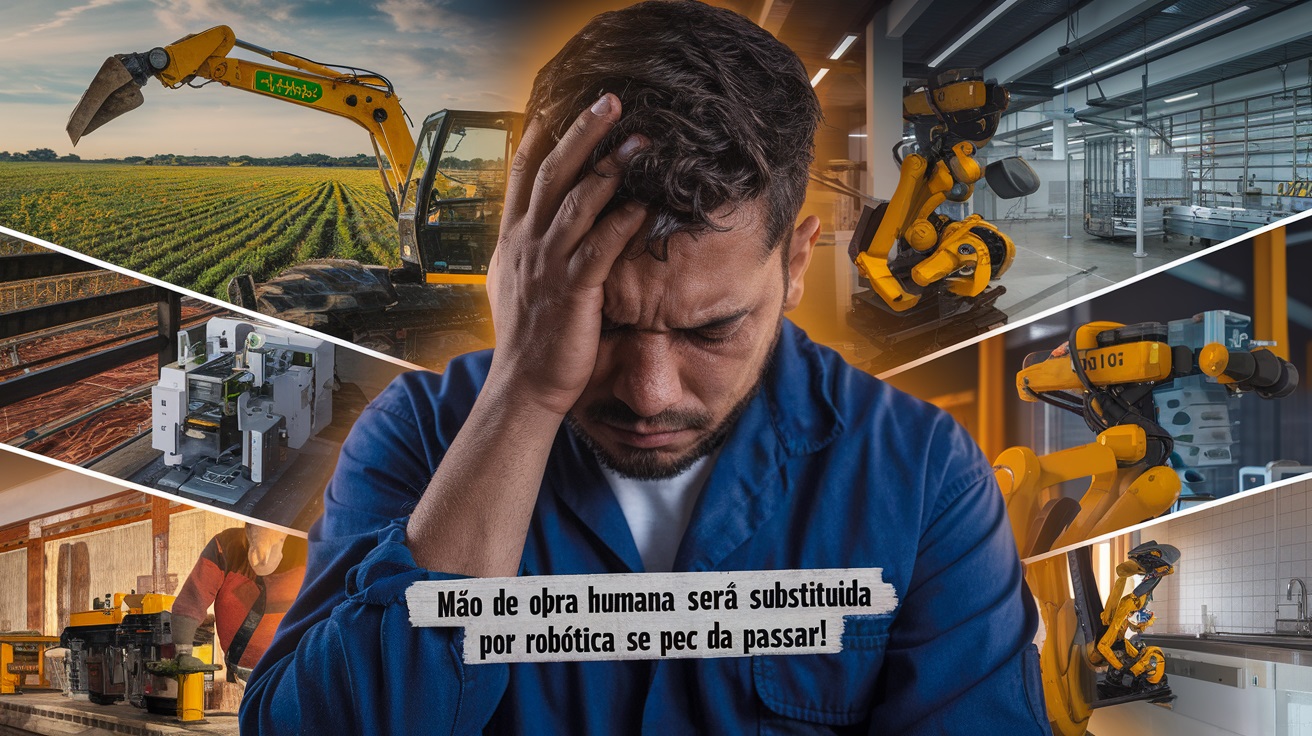

In This Article, We Explore How the Possible Approval of the Reduced Workday PEC for 4×3 May Boost the Use of Mechanized and Automated Labor in Brazilian Companies. Understand How This Change May Help Companies Maintain Productivity and Reduce Costs, but Also What the Negative Effects of This Substitution May Be for Job Creation and the Labor Market in Brazil.
If this PEC END OF THE 6X1 SHIFT is approved, it is highly likely that many companies, especially large ones, will consider investing even more in mechanized or automated labor to reduce their dependence on a larger workforce.
This trend occurs because automation can be an efficient alternative to maintain productivity while simultaneously mitigating the high costs of labor-related charges that a reduced workday like the 4×3 would impose.
In Brazil, where labor-related charges and operational costs are already high, automation emerges as a solution to minimize the financial impact of the new work shift.
-
Brazil’s 2026 Tax Refund: Record 9.58 Million Filers in Largest Payout Ever, But a Key Detail on Priority Recipients Draws Nationwide Attention

-
Itaú Alters Hybrid Work Model, Increasing Office Days from 2028, Prompting Employees to Adjust to New Routine
-
Facing Labor Shortage, Japan Plans to Invest $34 Million to Attract Foreign Workers in Construction, Healthcare, Industry, and Commerce

-
Brazilian City Makes Remarkable Leap, Becomes 4th Wealthiest in the Country with GDP of R$ 134.1 Billion






Machines and Robots Have No Labor Rights
Exactly! Machines and robots do not have labor rights, which is one of the main reasons why companies may choose automation instead of expanding their human workforce, especially if the PEC that reduces the workday to 4×3 is approved.
Robots and automated systems do not require salaries, benefits, vacation, FGTS, or INSS. They are also not subject to labor regulations and can operate continuously, increasing productivity without the additional burdens that human employees generate.
For this reason, for many companies, automation can be an attractive solution to reduce dependence on a costly and rigidly regulated workforce. However, this intensive substitution may result in a significant decline in jobs for less-skilled workers, opening a new debate about the social sustainability of an increasingly automated labor market.
Replacing Human Labor with Robotics is Inevitable
With technology becoming increasingly accessible, sectors such as manufacturing, logistics, and even services could opt for robots and automated systems to ensure continuous production without needing to hire as many additional employees.
On the other hand, this could have a negative impact on job creation, as mechanized labor replaces positions that were previously held by people.
This effect, in the long run, may reduce job opportunities and primarily impact less-skilled workers. Therefore, while automation brings cost and efficiency advantages to companies, its expansion as a response to the PEC may widen the gap between available jobs and the workforce that needs occupation in the country.
Do you think that technological advances would offset this reduction in jobs in the long run?






COM UMA IMPORTAÇÃO DESENFREADA DE PRODUTOS LÁCTEOS, OS PREÇOS DO LEITE PARA OS PRODUTORES BRASILEIROS É UMA VERGONHA, O QUE TEM PROVOCADO UMA DIMINUIÇÃO ENORME DELES NA ATIVIDADE. A MUDANÇA NO SISTEMA DE ESCALA DE TRABALHO NO MEIO RURAL TORNARÁ A ATIVIDADE LEITEIRA TOTALMENTE INVIÁVEL PARA OS PEQUENOS PRODUTOR, QUE PRECISAM DE UMA MÃO DE OBRA COMPLEMENTAR.
Hahahaha farao as substituicoes de qq forma so pensam neles
Pensa que ilude a quem com essa matéria?
Sinto muito alertar, sem querer ser alarmista, mas o inevitável caminho da tecnologia substituindo funções humanas já ocorre há muito tempo e cada vez mais atividades serão alcançadas, independente de qualquer processo legal. A boa notícia é que o campo das atividades humanas é dinâmico e assim como antigas funções foram engolidas pelo avanço tecnológico, outras ocupações surgem e as necessidades continuam a demandar profissionais. O que todos, autoridades, empresas, instituições, profissionais e estudantes precisam estar atentos para movimentarem-se no sentido das novas oportunidades, entendendo que hoje o mundo é mais dinâmico.