Portuguese
  Spanish



Even With Strong Sun, Common Solar Systems Can Stop During Blackouts; Understand Why This Happens and What Is Needed to Maintain Power
Solar panels are an increasingly popular solution for those looking to save on their electricity bills. They operate on the so-called photovoltaic effect, which converts sunlight into electricity, thanks to semiconductor materials.
But what few people know is that, in case of a blackout, most solar systems simply stop working.
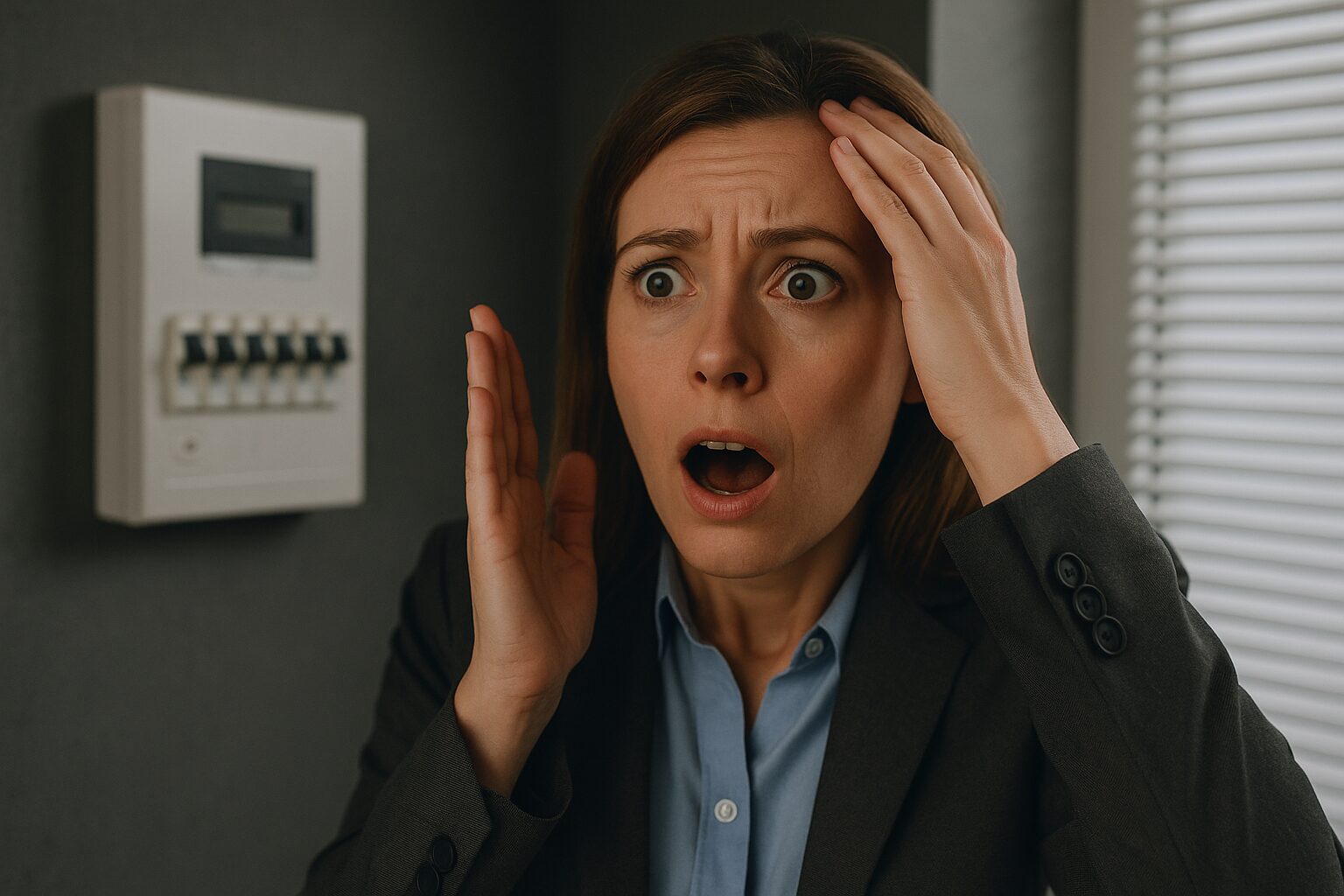
This is what happened during the blackout that affected several European countries on the 28th. At the time, many consumers with solar panels were surprised to find that their systems were not generating power, even with strong sunlight.
-
Solar energy can increase property value by up to 10% and become a selling point.

-
Solar and wind energy surpass natural gas for the first time in the world and accelerate energy revolution

-
Africa has about 500,000 cell towers and most still burn diesel to operate, while companies rush to cover antennas with solar energy and avoid signal blackouts.
-
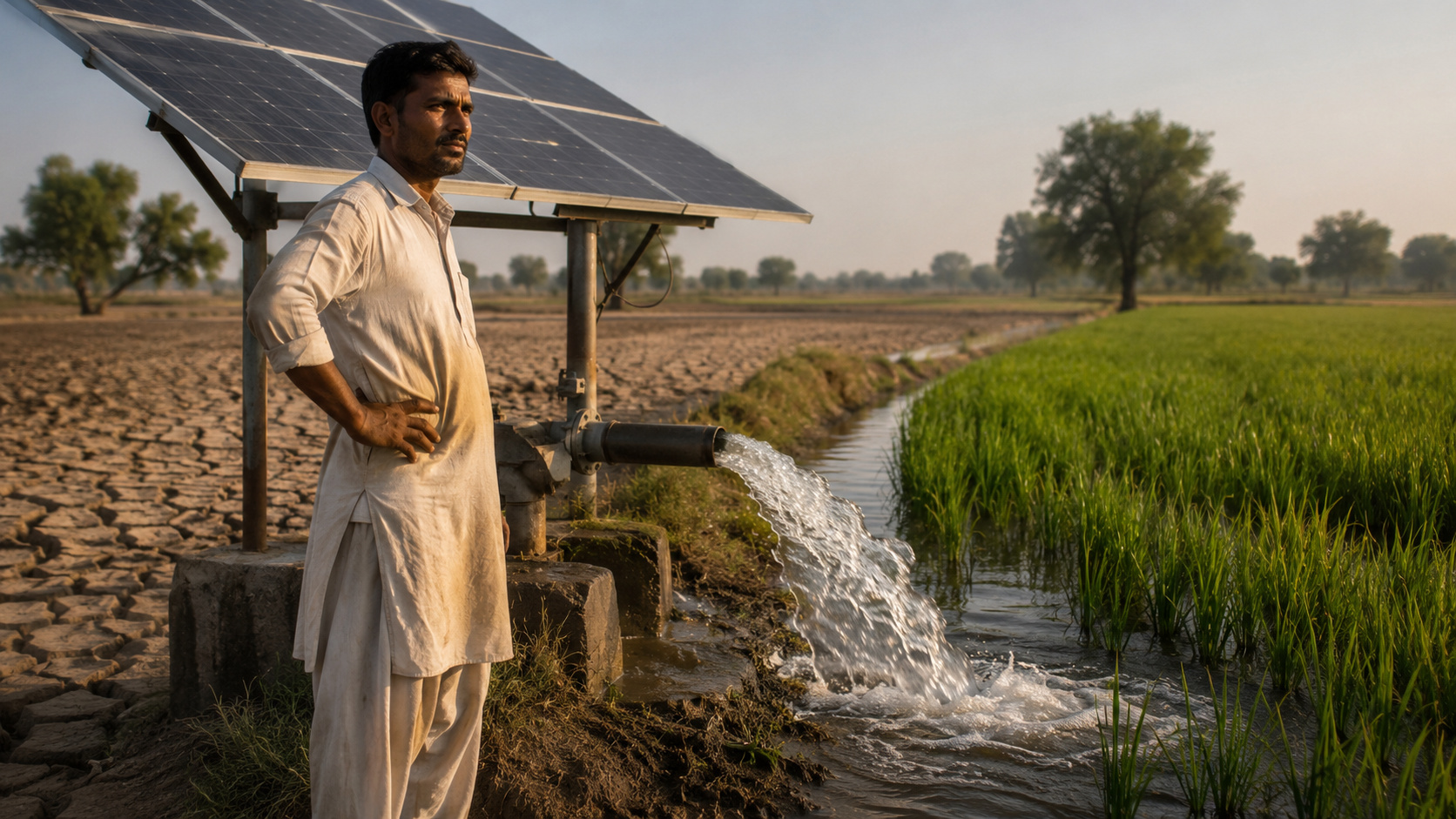
Farmers swapped diesel for solar panels in Pakistan, powered irrigation pumps almost cost-free, expanded rice fields, and now groundwater has become a red alert in the countryside.
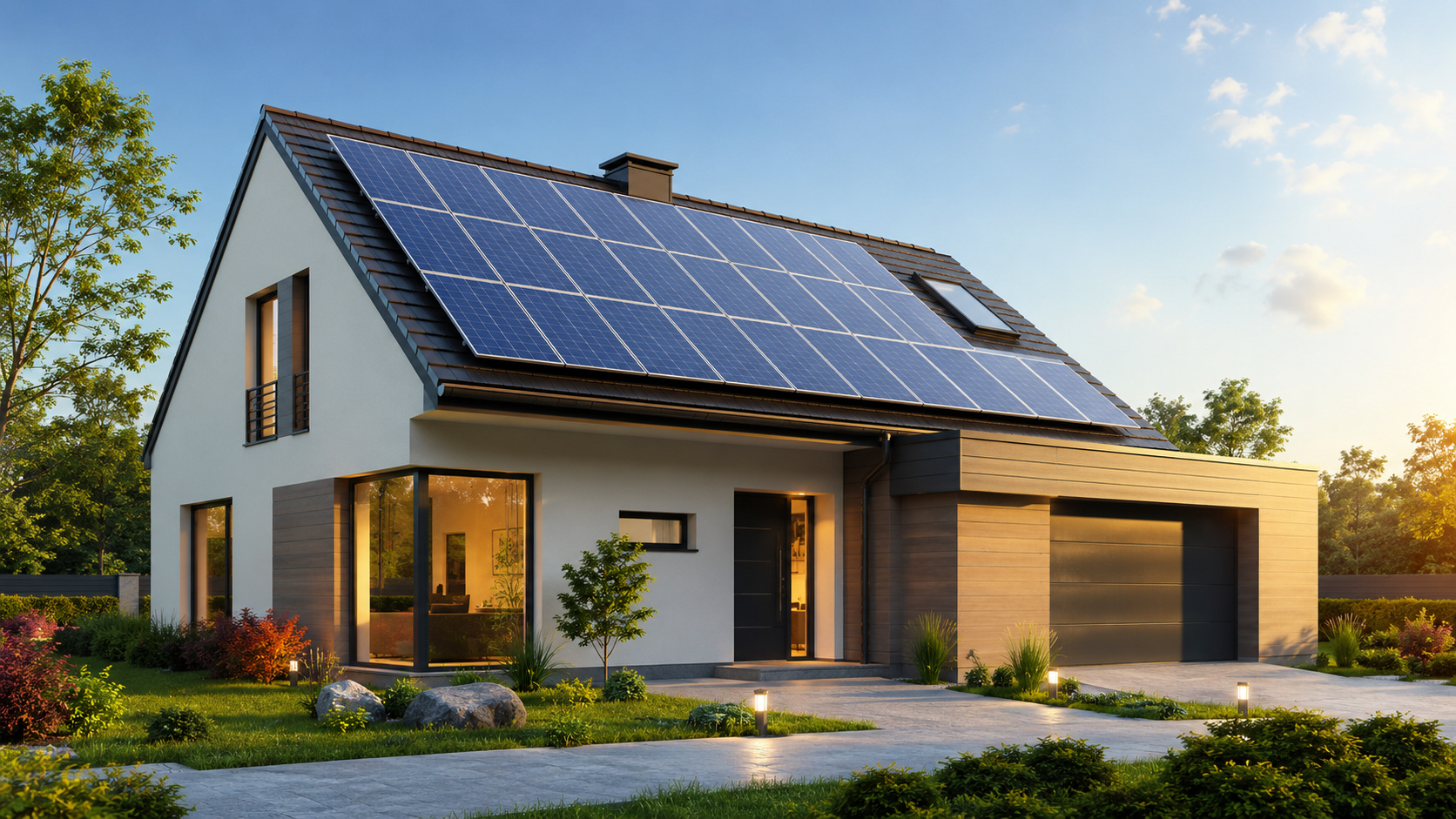


The reason? Most solar installations are connected to the public power grid. If the grid goes down, the systems automatically shut off for safety. This measure protects technicians who may be working on the maintenance of the power grid.
For the panels to continue functioning during a blackout, it is necessary to have a hybrid inverter and storage batteries. These components allow the system to operate independently of the public grid.
Batteries, usually lithium, also require a hybrid inverter compatible with an automatic cut-off relay, a backup electrical panel, and an internal control panel. Without this structure, the system relies entirely on the external grid and stops working in case of an outage.
To avoid being left in the dark during blackouts, there are alternatives. Among them are external batteries for phones and tablets, LED flashlights with a crank, portable power stations, fuel or solar-powered portable generators, and manual or battery-operated FM radios.
Even with a solar system, it’s important to be prepared for power outages. Without the proper components, even a roof full of solar panels can leave you without power.
With information from Diário do Litoral.