Portuguese
  Spanish


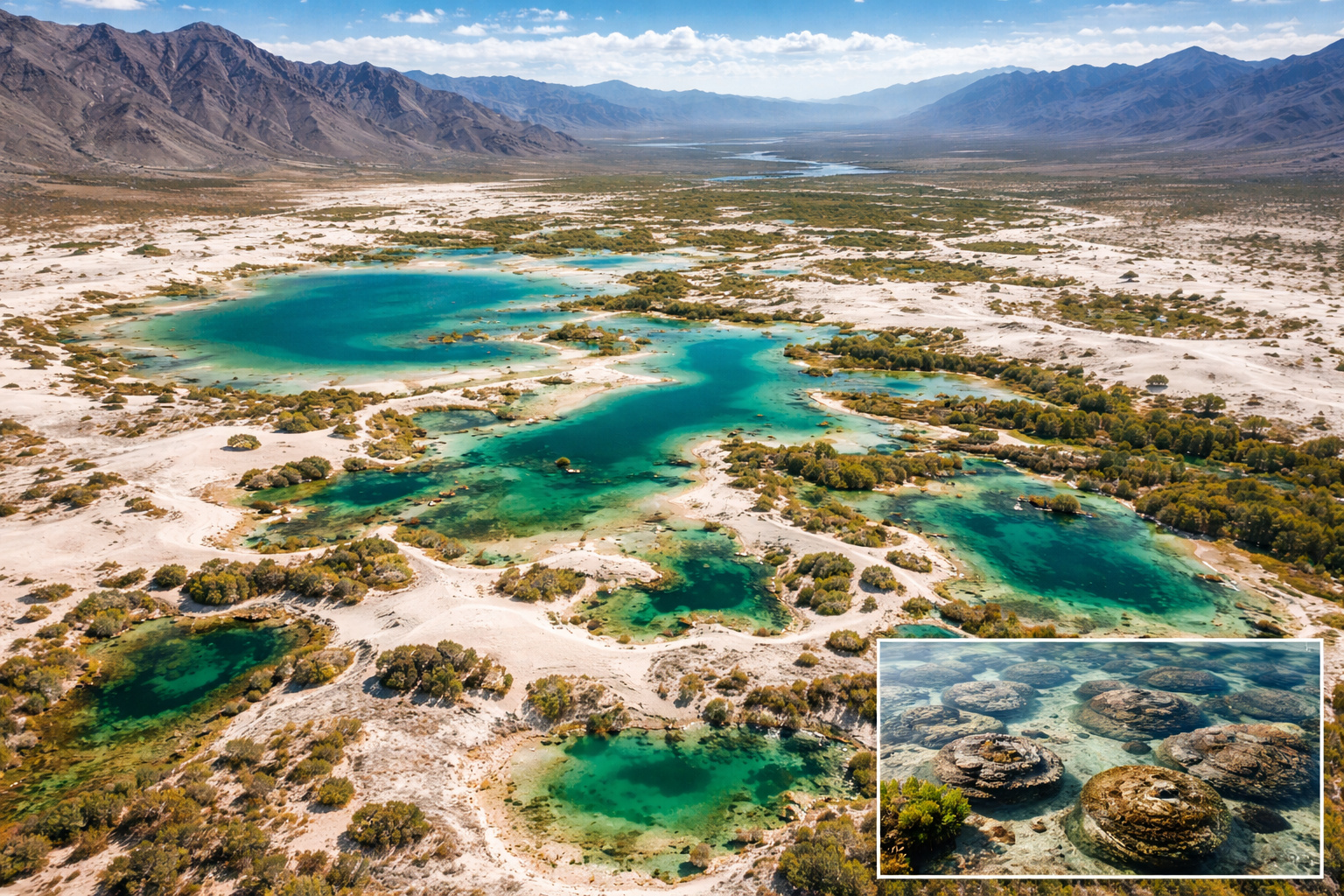

The unique landscape of Cuatro Ciénegas brings together extreme biodiversity, unique ecosystems, and clues about the origin of life, attracting scientists interested in environments analogous to the first moments of primitive Earth.
In records analyzed by the NASA Earth Observatory over the past few years, a region in northern Mexico has begun to attract attention for an extreme contrast visible from space. In the middle of the Chihuahua desert, where dry and arid tones prevail, light blue patches emerge that completely stand out from the surrounding landscape.
This pattern is neither a visual artifact nor a temporary phenomenon. It is the Cuatro Ciénegas basin, located in the state of Coahuila, a unique ecological system formed by hundreds of springs, ponds, and wetlands surrounded by white gypsum dunes.
The visual impact is so strong that the region has been studied not only by ecologists but also by scientists linked to astrobiology, interested in understanding how life forms can exist in extreme environments similar to those found on other planets.
-
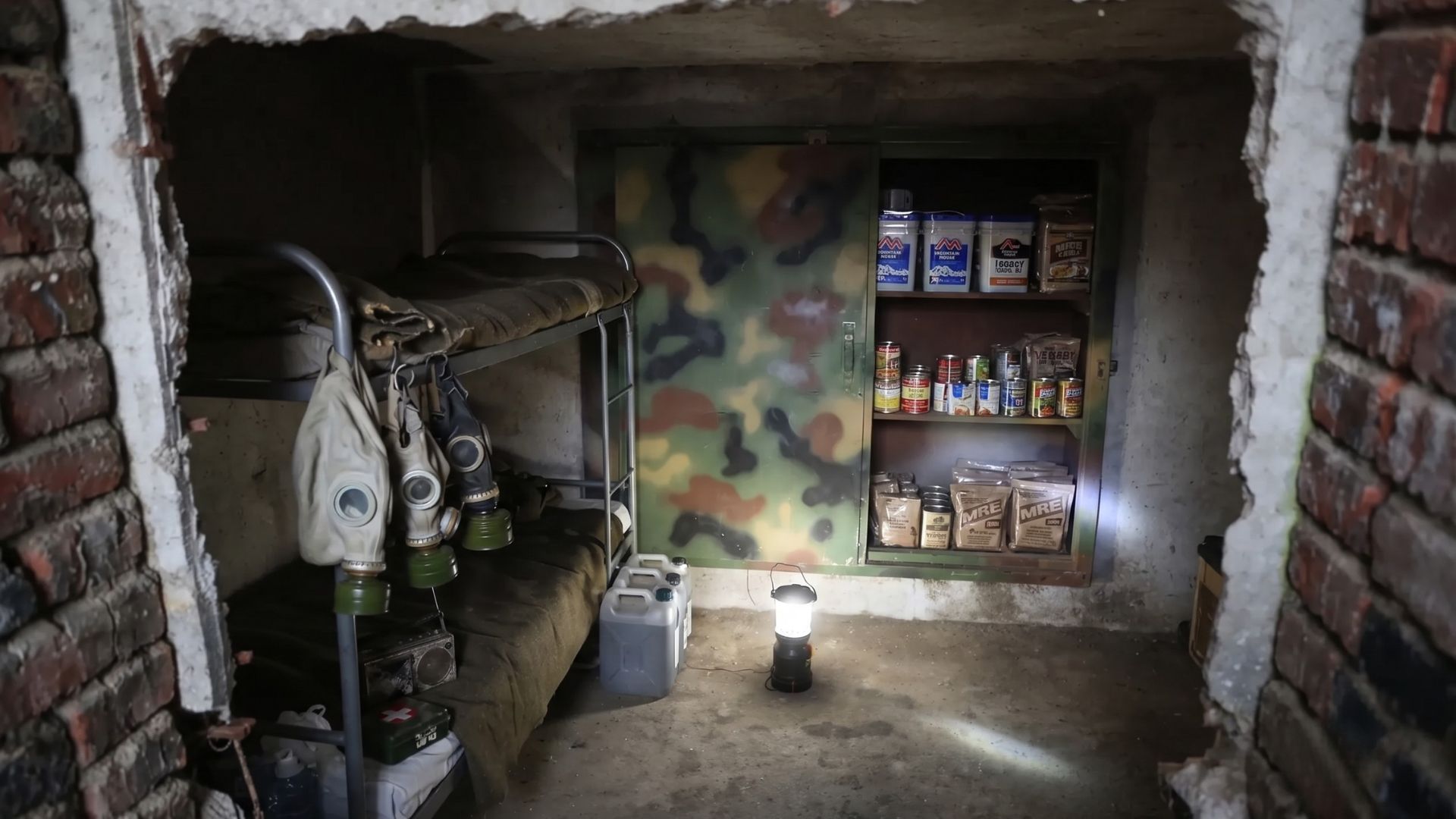
Family buys house from former survivalist, finds false doors, hidden underground bunker, beds, gas masks, and secret food storage behind camouflaged panels.

-
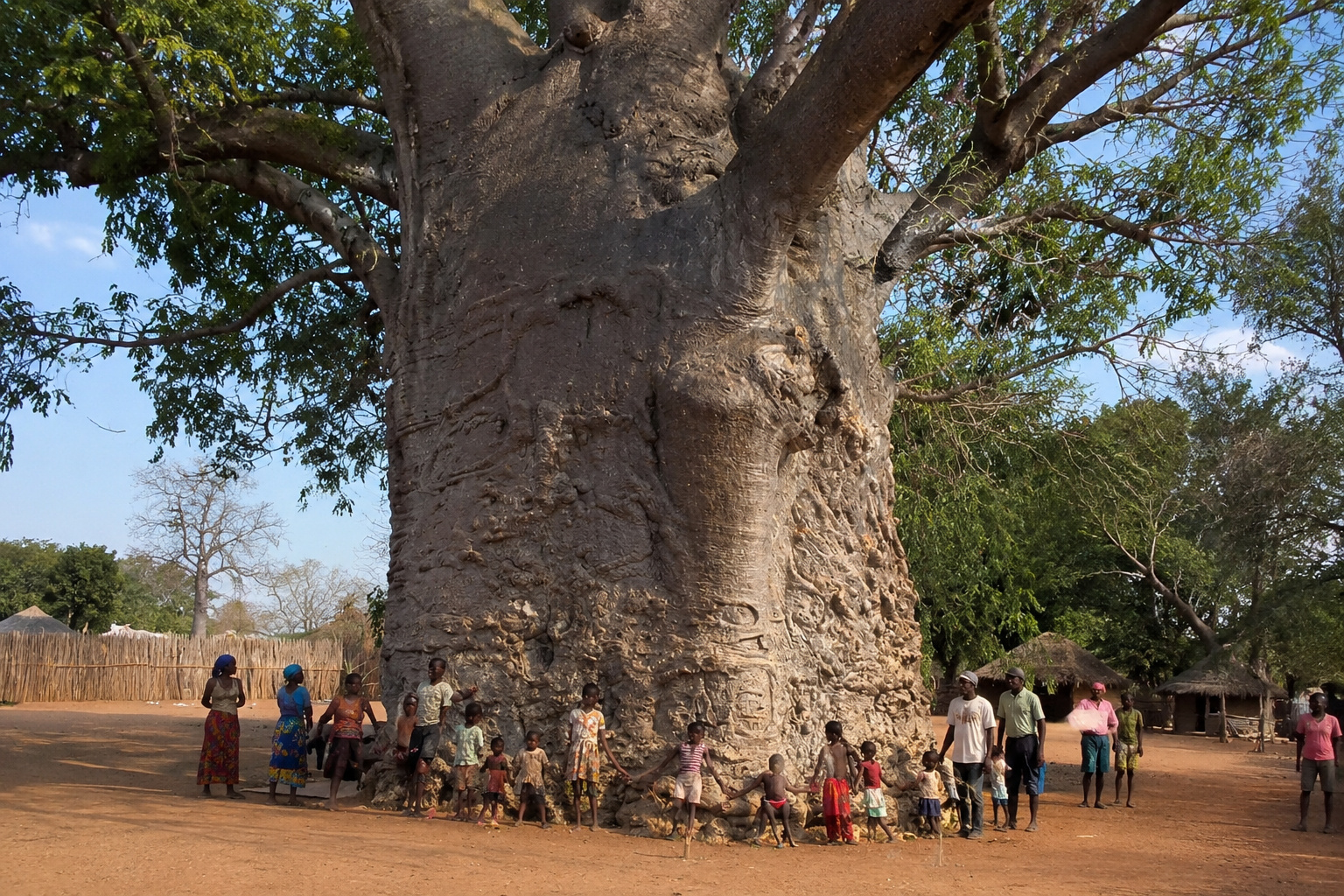
Few people know, but there is a 2,000-year-old tree in South Africa that “roars” when the wind blows through its branches and stores up to 4,500 liters of water in its trunk, becoming a source of life for the community.

-
Neto took refuge on the family farm in the hinterland of RN, found 2,000 surviving coffee plants from a plantation his grandfather had planted in the 1980s, revived the production, added 8,000 seedlings, and harvested 40 sacks of specialty coffee in a region marked by water scarcity.
-
At a depth of 750 meters, scientists find real gold trapped in the so-called “fool’s gold,” with a content of up to 1.9% in microscopic grains, but the record concentration still does not confirm a deposit ready for commercial exploitation.


Isolated basin creates one of the rarest environments on the planet
Cuatro Ciénegas is situated in a geological depression surrounded by mountain ranges that act as natural barriers. This isolation has allowed the formation of an independent hydrological system, where groundwater emerges at the surface through springs.

The result is a set of more than 200 pools and ponds, locally known as “pozas”, each with its own chemical characteristics. Some exhibit intense blue coloration, while others show greenish or turquoise tones, depending on the mineral composition and the presence of microorganisms.
Surrounding these wetlands are fields of white gypsum dunes, which reflect sunlight intensely and further increase the visual contrast observed in satellite images. This combination of water, minerals, and geographical isolation has created an extremely specific environment, with conditions rarely found in other parts of the planet.
Living stromatolites reveal what Earth was like billions of years ago
The most important element of Cuatro Ciénegas is not just in the landscape, but in the microscopic life that inhabits its waters. The region is home to living stromatolites, structures formed by colonies of microorganisms that grow in layers over time.

These organisms are considered some of the oldest life forms on Earth, with fossil records dating back more than 3.5 billion years. In many places around the world, they exist only as fossils. In Cuatro Ciénegas, however, they are still active.
These stromatolites play a fundamental role in the planet’s history, as they were responsible for processes that helped alter the composition of the primitive atmosphere, including the release of oxygen. The presence of these structures in a modern environment offers scientists a rare opportunity to study biological processes that marked the early chapters of life on Earth.
Extreme chemical conditions attract NASA’s interest
Another factor that makes Cuatro Ciénegas exceptional is its chemical composition. The waters of the region have extremely low levels of phosphorus, an essential element for most known life forms.
Even so, microorganisms manage to survive and adapt to these conditions, developing unusual metabolic strategies. This type of extreme environment has caught the attention of researchers linked to NASA, who have begun to study the region as a possible Earth analog of Mars.
The logic is simple: if life forms can exist under such limited conditions on Earth, similar environments on other planets could, in theory, support some form of biological activity. This connection has transformed Cuatro Ciénegas into a benchmark for studies that go beyond traditional biology, reaching areas such as planetary geology and astrobiology.
Gypsum dunes enhance visual and geological contrast
The white dunes surrounding the basin are primarily composed of gypsum, a rare mineral in desert formations. Unlike common sand dunes, these structures have a light color and reflect light intensely.
This characteristic contributes to the visual pattern observed from space, where light and dark areas alternate in a highly contrasting mosaic.

From a geological perspective, the presence of gypsum is related to the evaporation of ancient bodies of water, which left mineral deposits over time. This process helps reconstruct the climatic history of the region, indicating that the environment was much wetter in the past.
Unique biodiversity reinforces the ecological importance of the region
Despite the extreme conditions, Cuatro Ciénegas harbors a surprising biodiversity. Many species found in the region are endemic, meaning they do not exist anywhere else in the world. Among the identified organisms are:
- Fish adapted to isolated environments;
- Microscopic crustaceans;
- Specialized algae and bacteria;
- Plants adapted to mineral-rich soils.
This biological isolation has transformed the basin into a natural laboratory for studies on evolution, adaptation, and genetic diversity.
Human pressure threatens the balance of the ecosystem
Even though it is a protected environment, Cuatro Ciénegas faces challenges related to water use and human activities in the region. The extraction of groundwater for agriculture and consumption can affect the delicate balance that sustains the ponds and springs.
As the system relies on a constant flow of groundwater, any significant alteration can directly impact the organisms living there.
Researchers warn that preserving the site is essential not only to maintain its biodiversity but also to ensure the continuity of scientific studies that depend on this unique environment.
Do you believe that environments like this can help better understand the possibility of life beyond Earth, or are they still difficult exceptions to compare with other planets?