






 Portuguese
  Spanish


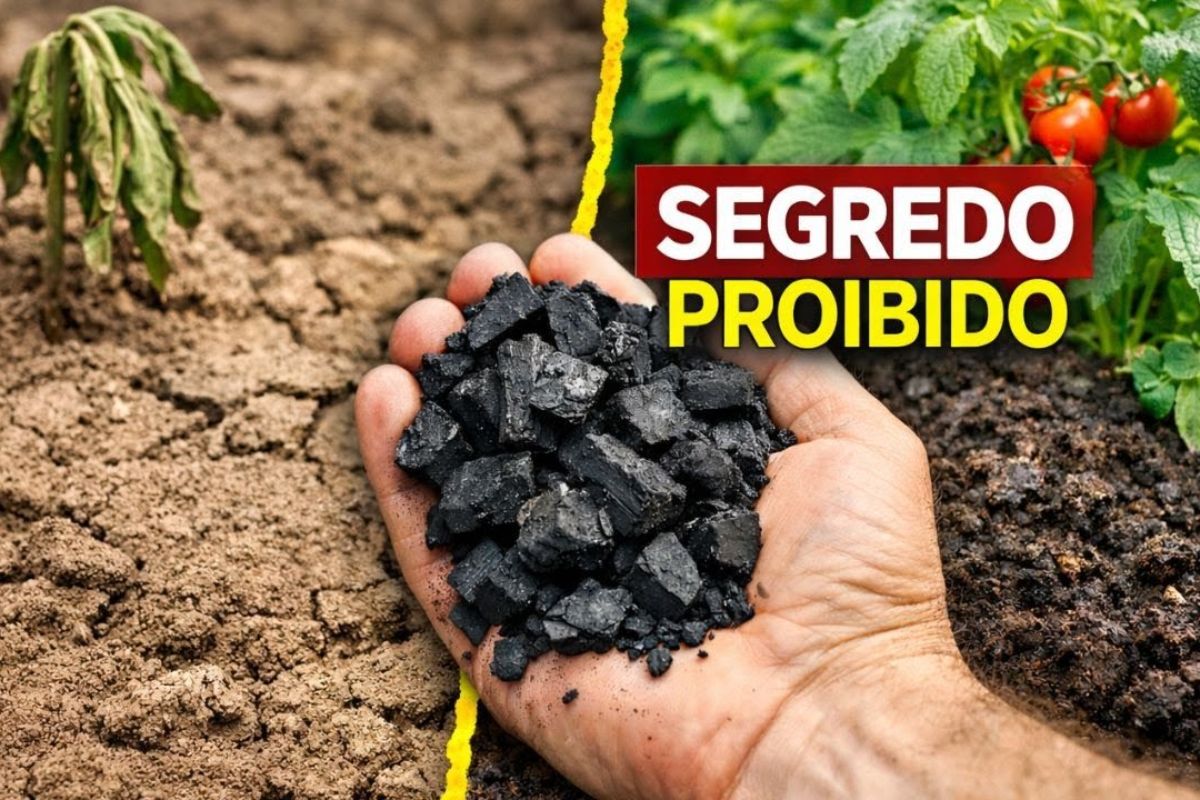


In Urban Yards With Weak Soil, Charcoal Becomes A Detail And Turns Into A Turning Point: Improves Water Retention, Holds Nutrients, Provides Housing For Microorganisms, And Reduces Dependence On Inputs. The Technique Of The Elders, Well Prepared, Changes The Garden For Years Without Increasing Cost
Ultimately, the difference often starts before the seed: charcoal that is well selected and incorporated alters how the soil retains water, breathes, and sustains invisible life. Instead of “feeding” the plant for a few days, the method reorganizes the environment where roots seek nutrients and where microorganisms do the heavy lifting.
In neighborhoods with tired beds, irregular shade, and compacted soil, a garden may seem condemned to yellowed leaves and slow growth. What is surprising is to see the same street with an old garden, from older people, maintaining vigor with a simple routine, constant observation, and small corrections in the soil.
How Charcoal Changes The Soil Structure

When charcoal is broken into small pieces or ground into coarse powder, it begins to mix more evenly and creates microspaces in the soil.
-
Brazilian Farm Innovates with Cage-Free Chickens, Producing 3,300 Odorless Eggs Daily

-
From Selling Unsold Saplings to Creating Brazil’s Most Awarded Olive Oil Brand with 330 Accolades and a $12 Million Goal by 2026

-
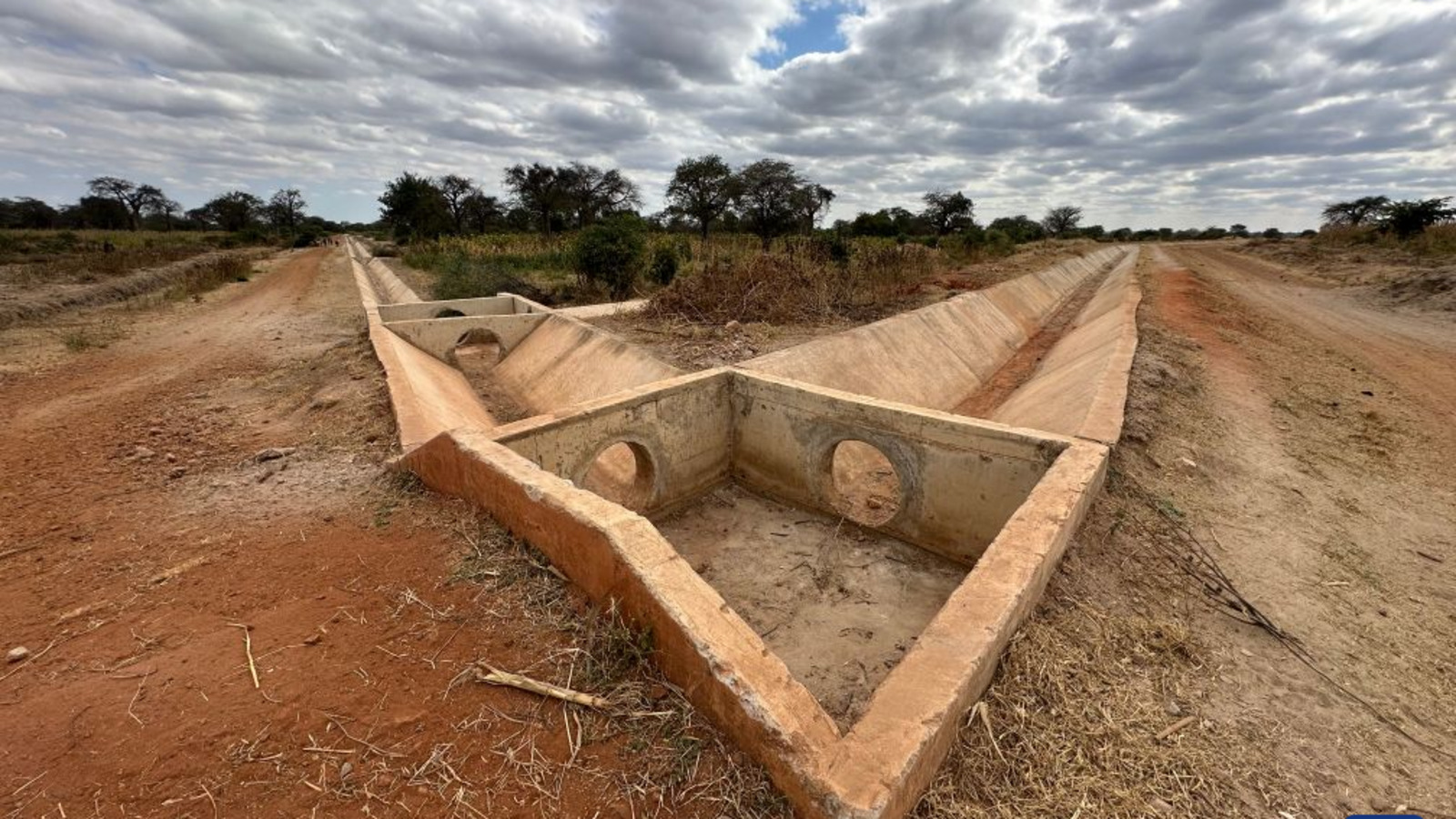
China Builds 400-Hectare Irrigation System in Tanzania to Aid 1,000 Families Dependent on Rainfall

-
High School-Educated Farmer in India Converts 40 Hectares of Arid Land into Native Forest with 900 Species and Up to 40,000 Trees



These pores act as reservoirs: they hold moisture during dry periods and help keep nutrients available near the roots, reducing losses from leaching and improving the garden’s consistency.
At the same time, the charcoal acts as physical support for beneficial microorganisms.
In weak soil, microbial life tends to fluctuate and collapse easily; with more shelter and stability, microorganisms gain room to transform organic matter, release nutrients, and keep the soil looser and workable over the weeks.
Why Expensive Fertilizers Fail Where Charcoal Sustains For Years

Ready-made products may even boost nutrients for a short period, but they don’t necessarily correct the soil structure or reinforce the microorganisms that maintain fertility.
The typical result is a repetition of the cycle: the bed receives input, improves quickly, declines again, and the garden becomes dependent on new purchases to maintain a minimum level of production.
Charcoal enters at another point in the system. It remains in the soil for much longer and continues to provide pores, water retention, and places for microorganisms to colonize.
That’s why a garden that receives charcoal tends to stabilize, with fewer peaks and drops in vigor, and with a gradual improvement in the soil’s ability to hold nutrients without excessive fertilization.
Charcoal Selection And The Mistakes That Most Ruin The Result
The first filter is simple: pure charcoal, made from wood, without additives. Industrialized materials can bring unwanted components and disrupt the balance of the soil, especially in small beds.
In practice, the goal is to put only charred wood on the ground, so that the garden receives structure and not foreign substances.
The second mistake is applying in large, poorly distributed pieces. Without breaking and mixing, charcoal becomes islands and doesn’t interact with the rest of the soil.
When the mixture is homogeneous, the contact area grows, pores begin to spread, and water and nutrient retention becomes more consistent throughout the garden.
Mixing, Resting, And The Role Of Microorganisms In The Turnaround

The incorporation needs to be careful, with uniform distribution in the soil. A practical reference used by many is to mix about one part of charcoal to five parts of soil, adjusting according to the state of the bed.
After mixing, lightly watering and letting the soil rest for a few days helps start the adaptation of the environment before planting.
This resting period allows microorganisms to reorganize and occupy the pores of the charcoal.
When microbial life finds shelter and more stable moisture, it begins to work with fewer interruptions, transforming organic residues into assimilable nutrients and sustaining growth without constant pushes.
Enhancement With Ashes, Organic Matter, And Mulch
Those wanting to reinforce the technique often combine charcoal with wood ashes or organic residues, allowing them to mature before bringing them to the soil.
The logic is simple: charcoal absorbs some of these nutrients and then returns them more gradually, avoiding the garden’s dependence on frequent applications and reducing the frustration of results that disappear quickly.
Organic mulch, made from dry leaves, straw, or pruning residues, complements the scenario. Placed over the treated soil, it maintains moisture, reduces extremes of heat, and provides constant food for microorganisms.
With this trio, charcoal, organic matter, and mulch, the garden tends to maintain consistency and to withstand difficult weeks with less stress.
More Stable pH And The Explanation For Old Gardens Beating Urban Lands
In many yards, the problem is not only a lack of nutrients but also soil imbalance, with acidity or alkalinity hindering absorption.
Charcoal can help as a natural corrector, bringing the environment closer to a more favorable pH for various crops, without requiring aggressive interventions and without shocks that burn the routine of the garden.
When the soil becomes more stable, the advantage becomes cumulative.
Old gardens gain management memory: charcoal remains for months or years, microorganisms establish themselves, nutrients circulate better, and each new harvest starts with a stronger base.
That’s why, in the same urban land, a careful garden can seem like it’s from another neighborhood.
The technique is not magic, but it is systematic: the right charcoal, well prepared, well mixed, with water in the right amount, and attention to the soil over time.
For those living the routine of the garden, the biggest change tends to be predictability, with fewer surprises, lower recurring expenses, and a bed that responds with consistency.
In your experience, what was the clearest sign that the soil truly changed: smell, color, moisture, or productivity, and what did you do differently in the garden when you decided to use charcoal and reduce chemicals?


