Portuguese
  Spanish


Called NEXAT and created in Germany, the diesel-electric platform was tested for about two years in Western Bahia before debuting commercially in Brazilian agriculture in 2025. There are very few units in the world, aimed at large areas, and the machine moves on wheels, not tracks.
One of the most talked-about agricultural machines in the world has arrived in Brazilian agriculture with a concept that differs from everything seen in the field, the NEXAT. Developed in Germany, the platform uses two diesel engines totaling 1,100 horsepower, but it does not deliver this power directly to the wheels; instead, it converts it into electricity. Commercial operation in Brazil began in 2025, during the Bahia Farm Show, in Luís Eduardo Magalhães, in Western Bahia.
Before the commercial debut, the machine underwent about two years of testing in Brazilian fields. The Agro Basso Group, in Western Bahia, ran the NEXAT in corn, millet, and sorghum crops, and Ricardo Basso was the first producer in the country to order a unit. The proposal is bold, as a single vehicle, by swapping modules, performs the work that today usually requires a separate tractor, sprayer, and harvester.
What is the NEXAT and how it arrived in Brazilian agriculture
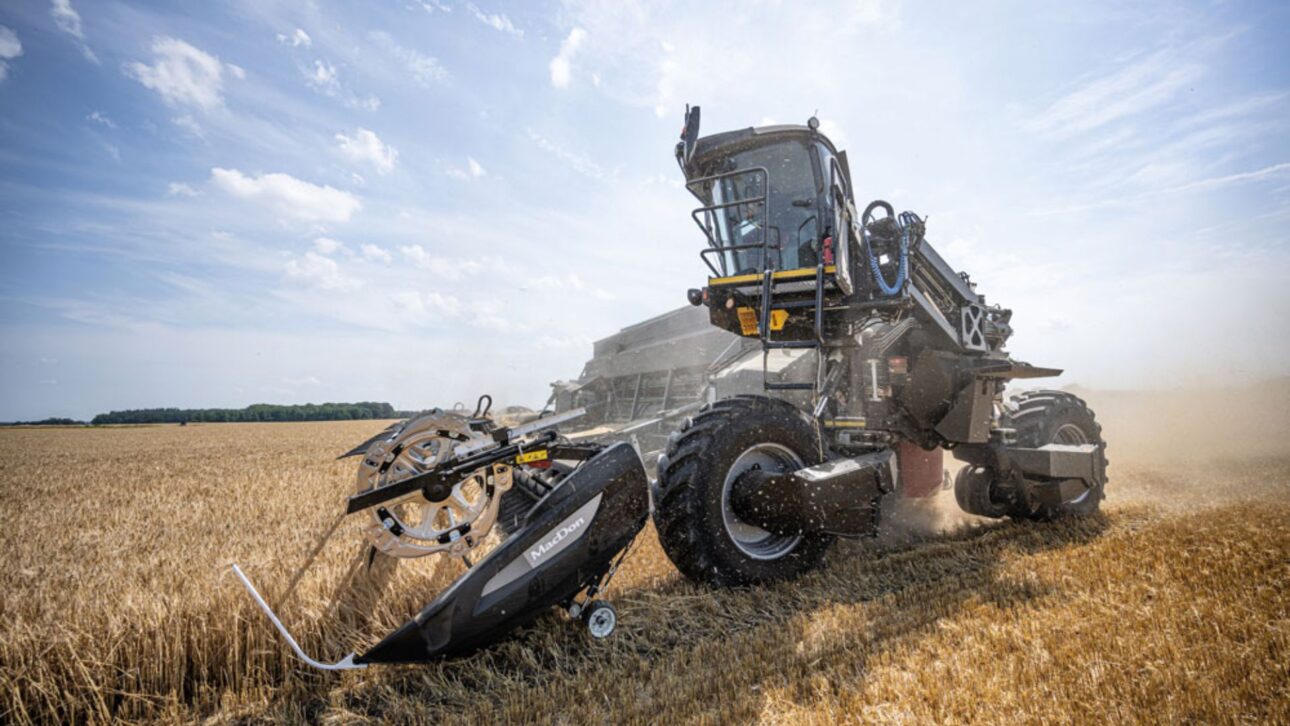
Created by the Kalverkamp family and officially presented in 2022, when it won a gold medal for innovation at Agritechnica, the world’s largest agricultural technology fair, it is a large-scale vehicle that carries modules for each stage, from soil preparation to harvest.
-
Brazilian Farmers with Basic Education Create Backyard Machines That Win National Invention Contest, Beating 242 Projects

-
Brazilian Farm Innovates with Cage-Free Chickens, Producing 3,300 Odorless Eggs Daily

-
From Selling Unsold Saplings to Creating Brazil’s Most Awarded Olive Oil Brand with 330 Accolades and a $12 Million Goal by 2026
-
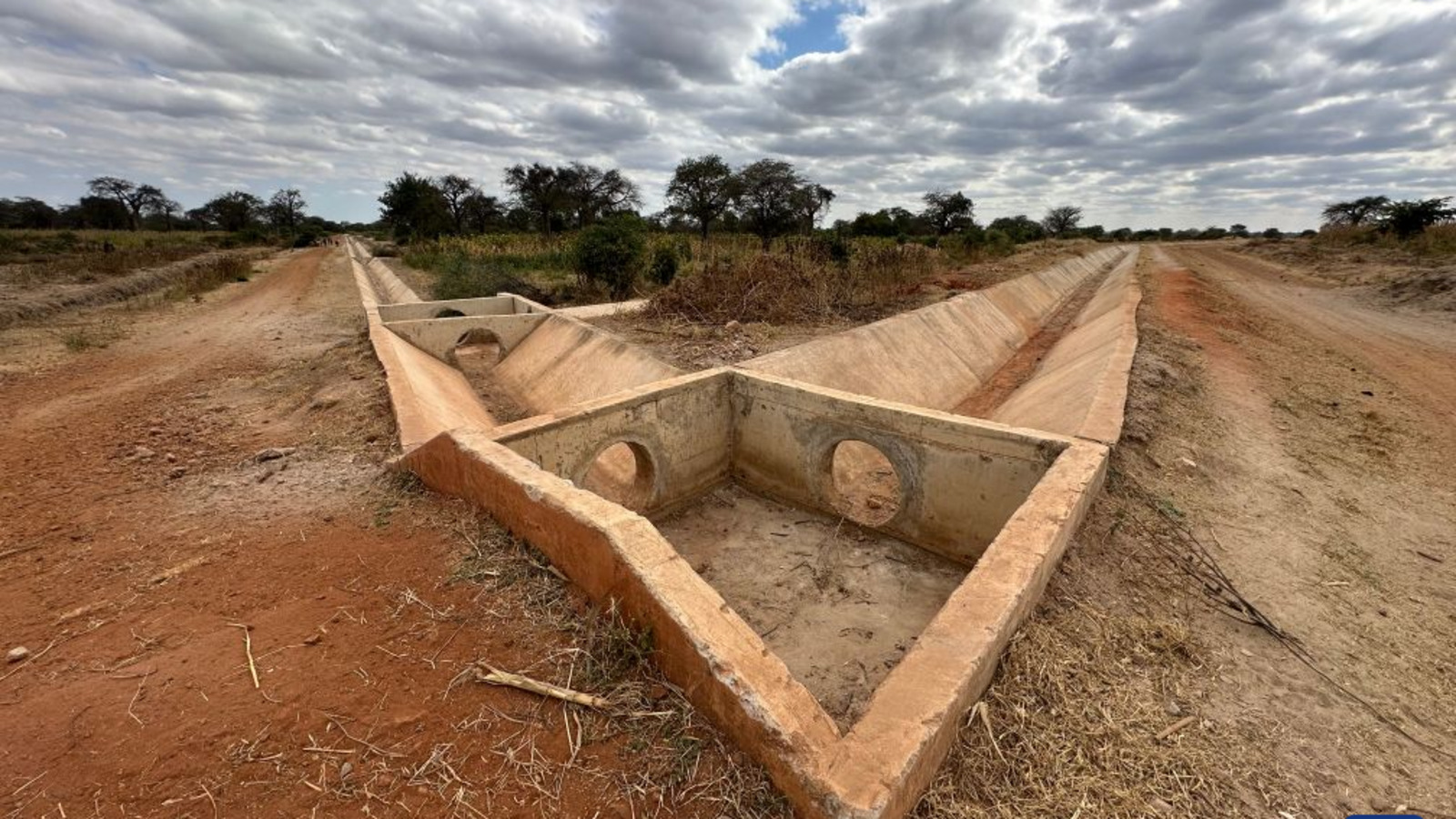
China Builds 400-Hectare Irrigation System in Tanzania to Aid 1,000 Families Dependent on Rainfall


Instead of pulling implements behind, like a common tractor, the NEXAT integrates them into its own structure.
The entry into Brazilian agriculture was gradual and concentrated in Western Bahia.
After about two years of development on the lands of the Agro Basso Group in Luís Eduardo Magalhães, aimed at adapting the machine to tropical climate and soil, the brand launched its commercial operation in the country at the Bahia Farm Show in 2025 and opened its first dealership there.
According to the company, a potential factory in Brazil is still under study and would not be established before 2028.
The 1,100 horsepower that turns into electricity on four wheels
There are two diesel engines of 550 horsepower each, totaling 1,100 horsepower, but they do not move the wheels directly.
Instead, they power generators that produce electricity, and this energy drives an electric motor in each of the four wheels, with steering on all of them.
It is worth correcting a common mistake, as the NEXAT runs on wheels, not tracks.
This electric arrangement brings advantages in control and efficiency.
Without a traditional gearbox, the manufacturer claims to transfer about 95% of the power to the wheel drive, with precise response on uneven terrain.
The NEXAT is also already prepared to, in the future, switch from diesel to green hydrogen cells, which, according to the company, can reduce CO2 emissions by up to 50%.
Smaller support wheels help distribute the weight of the structure, a sensitive point for the large farms of Brazilian agriculture.
One machine to plant, spray, and harvest
The logic of NEXAT, which attracts so much attention in Brazilian agriculture, is to replace several pieces of equipment with a single vehicle that changes function.
By changing modules, done by one person in about 10 to 15 minutes, it becomes a harvester, sprayer, seeder, fertilizer distributor, or soil preparation implement.
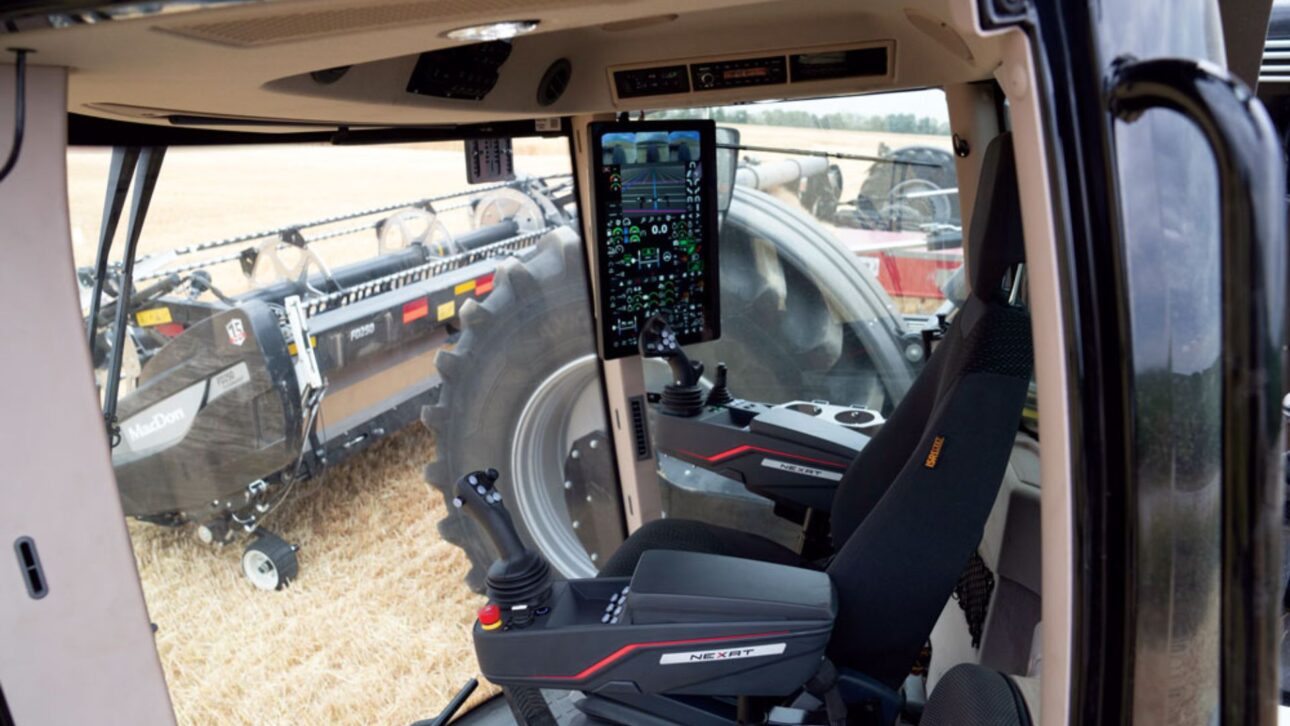
In harvest mode, it uses its own module with horizontal threshing and two rotors, a 32 cubic meter grain tank, and unloading in less than a minute, as well as cutting platforms from manufacturers like MacDon.
The working width and controlled traffic complete the concept.
The NEXAT works over a strip of about 14 meters and adopts controlled traffic farming, where the tires tread on less than 5% of the area and the other 95% is never compacted, which, according to the company, improves soil structure and productivity.
The cabin rotates for the operator to follow the work in front or behind, and the machine operates autonomously, although it still requires someone on board to monitor.
In Western Bahia, Agro Basso reported harvesting at 16 to 20 kilometers per hour, compared to about 7 km/h for conventional harvesters.
What still weighs against Brazilian agriculture


Behind the astonishment at the size, there are concrete limits that factor into the producer’s account.
The NEXAT is expensive, with the package estimated by the manufacturer at around US$ 2 million, about R$ 11 million, although the company argues that it is more cost-effective than buying a tractor, sprayer, and harvester separately. Moreover, there are very few units in the world, less than 30, which shows that it is a technology still in the early stages of adoption.
The machine is also not suitable for any type of property.
Due to its size and the logic of controlled traffic, it makes sense mainly in large flat and regular areas, such as those in Matopiba and the Midwest, and requires reorganizing the farm around fixed strips.
Claims such as being the most powerful harvester in the world or doing the work of three to four machines come from the manufacturer and those who already use it, and are still under evaluation in Brazil, where Agro Basso itself said it would only have a complete judgment after the soybean harvest.
The arrival of NEXAT to Brazilian agriculture is both a technological milestone and a bet on scale.
The idea of a single 1,100-horsepower diesel-electric vehicle that plants, sprays, and harvests responds to real demands for productivity, cost, and soil compaction in large crops.
On the other hand, the high price, the limited number of machines and the dependence on extensive areas make it clear that, for now, it is a niche solution, not a tractor for the average producer.
And you, do you think machines like the NEXAT will become popular in Brazilian agriculture or will they remain restricted to large farms? Is it worth exchanging several pieces of equipment for a single vehicle of this size, even with the high cost? Leave your opinion in the comments, respecting different opinions, and share this article with those interested in technology in the field.