






 Portuguese
  Spanish


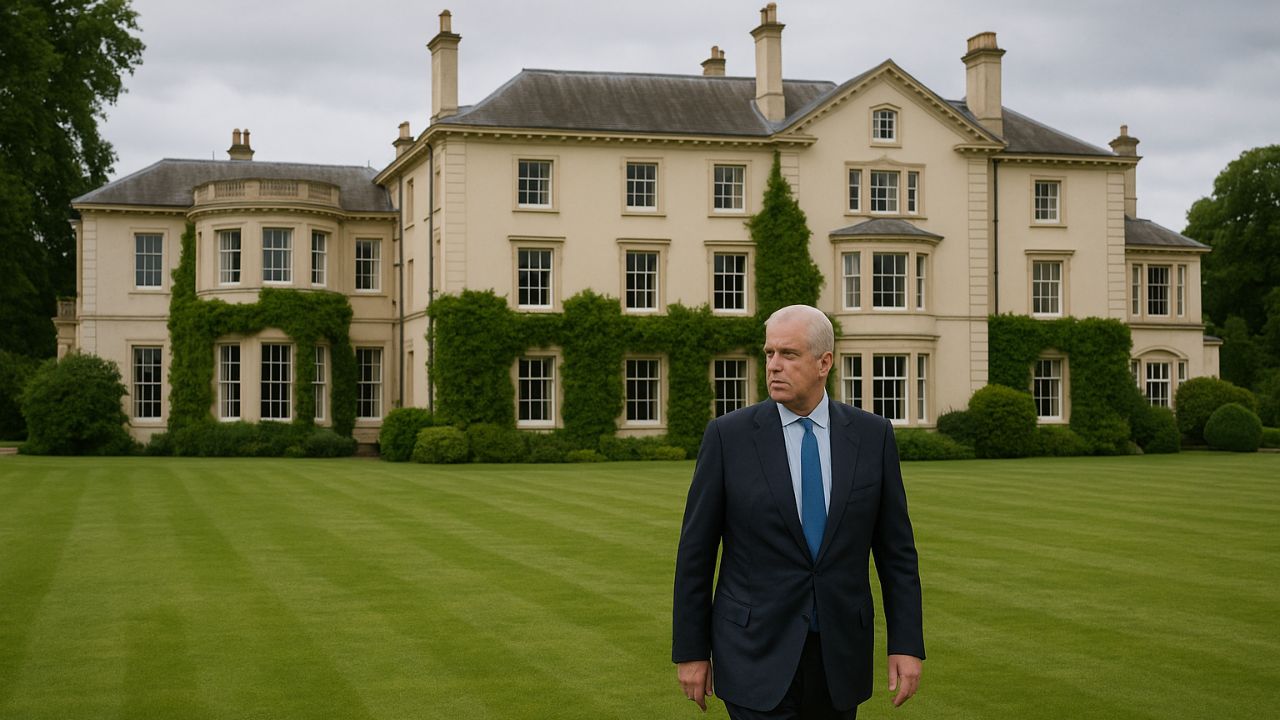


Agreement Reveals How Prince Andrew Maintains 30-Room Mansion in Windsor Without Paying Rent, Generating Criticism in the United Kingdom.
An agreement made over 20 years ago allows Prince Andrew, the younger brother of King Charles III, to continue living in a 30-room mansion in Windsor, England, without paying monthly rent.
The case has gained attention in the United Kingdom following the release of documents that detail the contract and rekindle the debate about the financial agreement linking him to the property and royal family expenses.
The recently revealed document shows that Andrew made advance payments exceeding £8 million (about R$ 57 million), including renovations and additional fees.
-
Scientists warn that melting ice is triggering an alarming chemical transformation in preserved areas, and the first signs are already concerning researchers worldwide.

-
China placed 198 robotic legs under a 7,600-ton school and made the building walk 62 meters in 18 days, rotating the historic structure as if a concrete structure had gained feet to escape demolition.

-
Distributor confirms the premiere of ‘Dark Horse’, Bolsonaro’s film, in 650 cinemas with 99% of copies dubbed.
-
9-year-old boy who could only hold a plank for 6 minutes in physical education class trained alone for 6 months, without needing encouragement from his parents, until he broke the world children’s record with 61 minutes and 5 seconds.


<p.As a result, he secured the right to remain in the property until 2078, avoiding rental costs throughout the duration of the contract.
/i.s3.glbimg.com/v1/AUTH_da025474c0c44edd99332dddb09cabe8/internal_photos/bs/2024/9/0/fhvlBcQzmWE7AT8tMBzA/captura-de-tela-2024-07-02-154258.png)
Special Conditions and a High-End Mansion
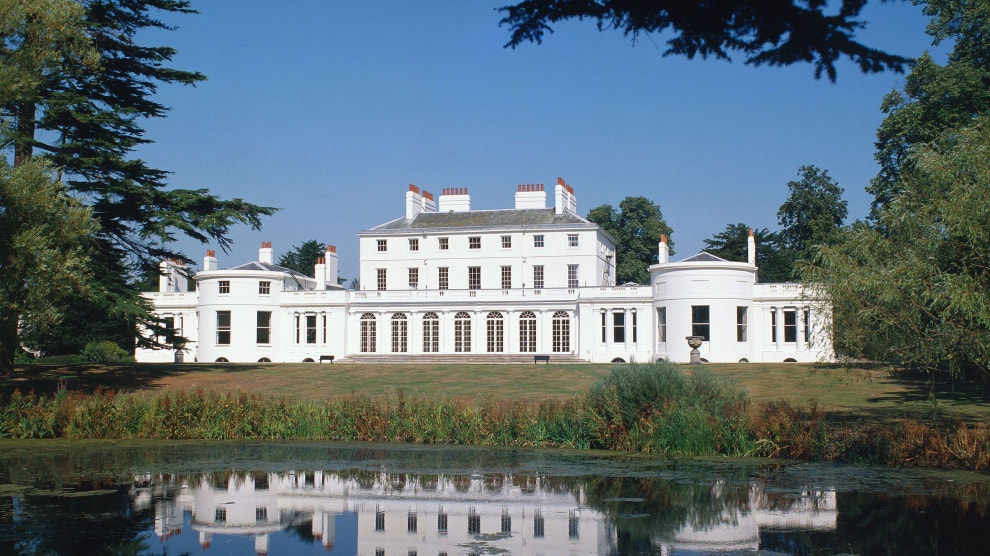
The residence in question is the Royal Lodge, a listed historic property located within the Royal Park of Windsor.
The location features a chapel, a gardener’s house, and private security areas. Despite its grandeur, the contract mandates the prince to maintain the house and garden in perfect condition, bearing all maintenance costs.
The contract, signed in 2003 with the Crown Estate, the entity that manages the British monarchy’s properties, includes specific clauses: no helicopter may land on the premises and gambling is prohibited.
Additionally, the owners have the right to inspect the property periodically to verify compliance with the requirements.
Million-Pound Payments and Questions About the Origin of the Funds
According to records from the National Audit Office (NAO), an independent auditing body in the United Kingdom, Prince Andrew spent £5 million on structural repairs, £2.5 million to secure a future termination of the contract, and an additional £1 million as a bonus to the Crown Estate.
In total, the investment exceeded £8 million.
However, one question remains unanswered: where did the funds used to cover the advance payment come from?
Since 2019, Andrew has ceased to perform official duties in the royal family and no longer receives public funds from the Sovereign Grant — a fund that covers the monarchy’s expenses.
King Charles ended the financial support to his brother, and it remains unclear how the duke maintains his luxurious lifestyle.
Scandals and the Impact on the Royal Family’s Image
The controversy surrounding Prince Andrew’s mansion arises at a delicate moment, marked by new allegations of sexual abuse in Virginia Giuffre’s memoirs, claiming she had relations with the prince on three occasions.
Andrew, in turn, reached a financial settlement with her in 2022, denying any crime, but the repercussions of the case severely damaged his image and that of the British royal family.
The disclosure of the contract terms reignited criticism regarding the special treatment afforded to the prince, especially after he renounced the title of Duke of York.
The British Finance Minister, Rachel Reeves, stated: “People should pay their expenses and their fair share.”
Reactions in the United Kingdom and Possible Amendments to the Contract
The British government stated that it is up to the National Audit Office to decide whether to re-examine the Royal Lodge rental contracts.
MP Meg Hillier, chair of the House of Commons Treasury Committee, called for total transparency on the matter: “We need answers to ensure that taxpayers’ money is not being wasted.”
Even in the face of public pressure, the 75-year contract remains in force. Should Prince Andrew decide to leave before the term, he may recover part of the invested amount, although this amount decreases each year.
At the current rate, the reimbursement would drop to about £186,000 (R$ 1.3 million) per year by 2028.





