Portuguese
  Spanish




Even Without Extra Money, It Is Possible to Start Construction with Planning, Right Choices, and a Well-Organized Project in Phases, Without Becoming a Financial Nightmare
Building is a dream for many people, but the reality is harsh: most start the project without enough money to do everything from start to finish. And this is precisely where delays, debts, and projects that stop halfway arise. The good news is that you can start the project even without enough money for everything, as long as you approach construction as a long-term project, not as an impulse.
Instead of just thinking about the size of the house or magazine-style finishes, the starting point is different: understand how much you can truly invest and adapt the project to your reality, not the other way around. With good planning, a simple project, the right land, accessible materials, self-construction when it makes sense, and a project divided into phases, you greatly increase your chances of seeing your dream come to life without breaking your finances.
Financial Planning: The No Money That Doesn’t Turn into a Headache
Before dreaming of facade, flooring, and decoration, you need to face the numbers. Many people start the construction without financial planning, relying only on faith, luck, and improvisation, which almost always results in a halted project.
-
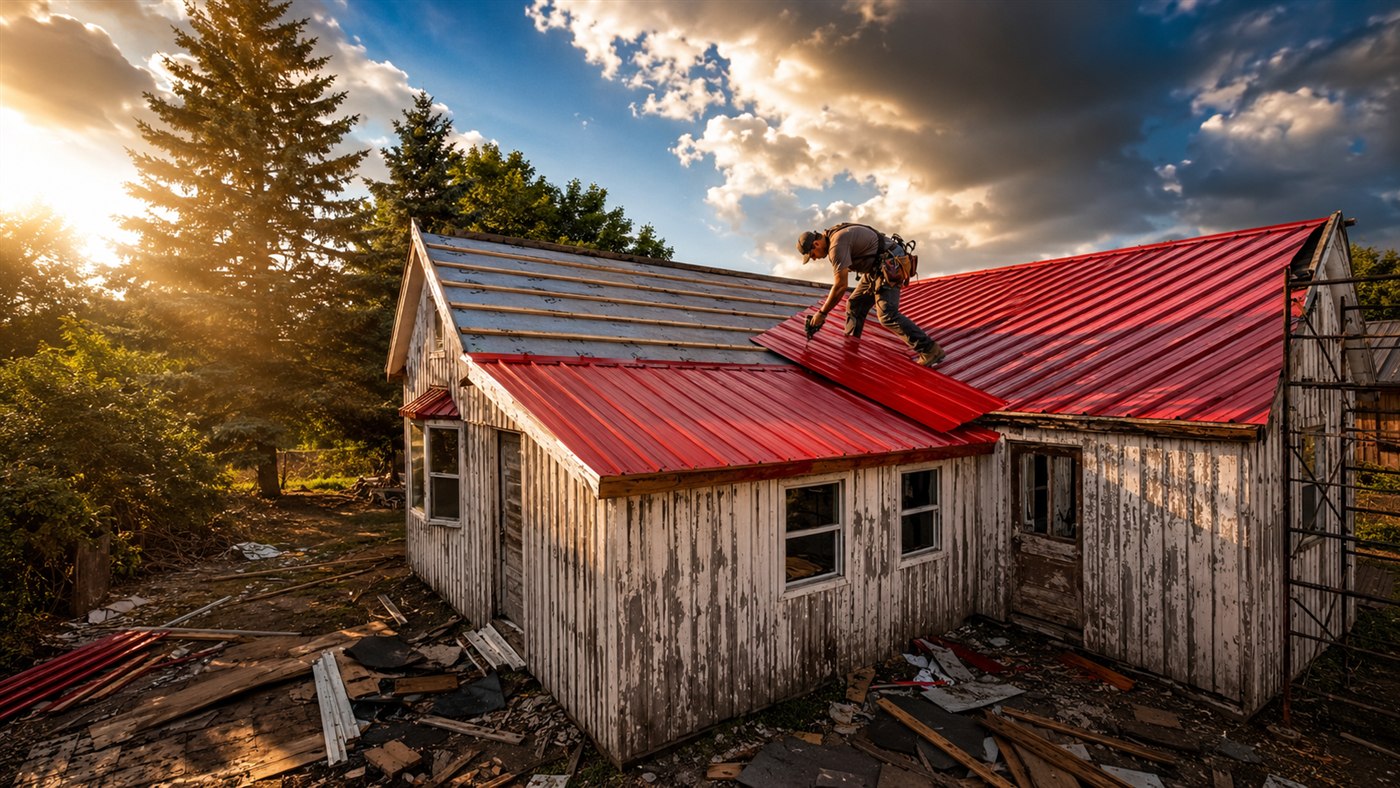
Abandoned House Renovation Fixes Decades-Long Leak in Two Days with Red Steel Roof Installation

-
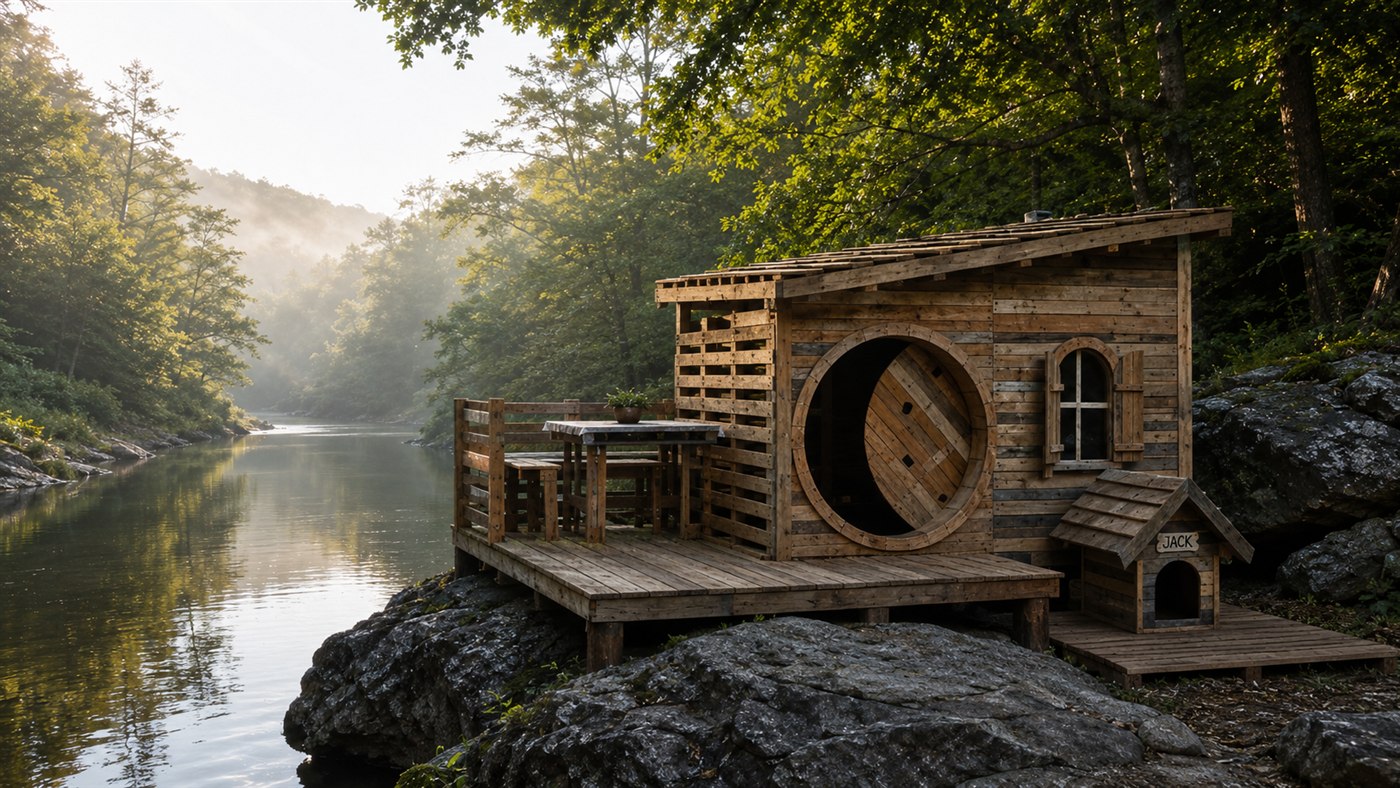
Man Builds Entire House by Hand from Abandoned Pallets Found in Brazilian Forest, Complete with Round Door and Matching Doghouse
-
California Diverts 65% of Construction Waste from Landfills, Repurposing Millions of Tons into Road Base, New Asphalt, and Wood Chips
-
Japan Constructs World’s Deepest Sea Wall in the Pacific, Sinking Massive Concrete Structures for Three Decades



Planning means having a well-defined project and a realistic budget. Without that, you don’t even know if what you want to build fits within your budget.
This is when the honest talk comes in: if you don’t have the money to cover everything, you need to know exactly how much you have, how much is missing, and how you will make up the difference.
Sometimes the solution is to revise finishes, reduce the area, replace expensive materials with more affordable equivalents, or divide the execution into stages.
Simple Project: Less Effect, More Finished Work
When money is tight, the project cannot be megalomaniacal. Double-height ceilings, cantilevered slabs, large spans, many cuts, and sophisticated volumes make the project beautiful, but they weigh heavily on both the structure and the budget.
If you are low on money for a complex project, the best strategy is to opt for a simple and well-resolved design.
More streamlined plans, straighter volumes, spaces tailored to what you really need. The less demolition in the design, the fewer surprises during execution.
This reduces concrete, steel, wood, labor, and construction time. A simple project is not synonymous with an ugly project; it is synonymous with a viable project for those who cannot afford mistakes.
The Right Land: What You Save on Purchase, You Lose on the Foundation
Another common mistake for those short on cash is choosing land solely based on the sale price, without considering the cost of building there.
Very steep land, waterlogged areas, fragile soil, or locations that require a lot of cutting or filling can significantly increase construction costs.
A flatter plot with better soil may cost a bit more at purchase, but it saves on the foundation, time, and headaches.
If you start off without extra money, it makes no sense to spend a fortune fixing problems that could have been avoided with a more strategic choice.
A simple study of the land helps predict the type of foundation and avoid surprises when construction begins.
Accessible Materials: First Build, Then Sophisticate

If money is short, it’s not the time for expensive porcelain, trendy tiles, and cinema doors right off the bat.
Those without money need to prioritize structure, functionality, and safety, saving luxuries for a future phase.
This doesn’t mean using just anything, but choosing materials with good cost-benefit ratios. Simpler coverings, durable and easy-to-maintain floors, adequate frames, without excess special models.
The logic is clear: first, build and make the house functional; then, if the budget allows, you can replace a faucet, a finishing material, or a light fixture.
The worst scenario for those without money is having expensive materials bought and a project halted due to lack of basic resources.
Self-Building: When It Makes Sense to Get Hands-On
In many cases, one of the smartest ways for those without money to keep progressing is to actively participate in the project.
This doesn’t mean jumping in to do everything without knowledge, but taking on roles where you can truly help, reducing labor costs without compromising quality.
You can assist in transporting blocks, preparing mixes, cleaning the site, and performing small repetitive tasks, always with an experienced professional leading the execution. This reduces the number of paid helpers and transforms your time into direct savings.
Self-building is not improvisation; it’s strategy: you become part of the team to get further with the money you have.
Smart Purchases: Technology That Saves in the End
Being short on cash does not mean always buying the cheapest option. Sometimes a slightly more expensive material per unit leads to huge savings in the system.
This is the case with solutions that reduce waste, speed up construction, and decrease consumption of mortar, steel, wood, and labor.
Researching alternatives, comparing systems, and understanding the total cost, not just the sticker price, makes a significant difference.
More efficient materials can eliminate stages, simplify construction details, and avoid rework. For those without money, every mistake costs double. That’s why buying well is just as important as buying cheaply.
Local Labor: Less Travel, More Efficiency
Bringing a team from another city increases any construction costs. Daily transport, lodging, meals, and travel expenses add to the final account.
Hiring local labor is one of the most direct ways to save when you already start without extra money.
Furthermore, local professionals know the climate, soil type, and local suppliers better, which helps avoid delays and unforeseen issues. The concern here is another: it doesn’t help to pay little for someone unqualified.
Poor labor makes you spend twice, and those without money can’t afford that luxury. The ideal is to find the balance between fair price and technical quality, always with references and oversight.
Project Divided into Phases: The Strategy for Those Who Don’t Have Everything Today
Perhaps the most important tip for those short on cash is understanding that the project doesn’t need to be done all at once. Dividing the construction into well-planned phases allows for safe progress, without sinking into debt or halting everything in between.
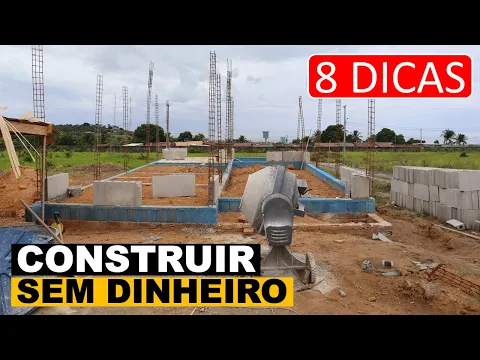
You can structure stages such as foundation, structure, enclosure, roofing, finishes, frames, installations, and final details, always completing one critical phase before moving on to the next.
This way, you adapt the pace of construction to your cash flow, without compromising quality and without leaving the project vulnerable to the weather.
Those without money don’t need to give up the project; they need to turn the dream house into a step-by-step plan.
Ultimately, having little resources does not mean the end of the project; it’s just a reminder that you need to be more strategic than emotional when building.
With financial planning, a simple project, well-chosen land, accessible materials, active participation in the project, smart purchases, local labor, and phased construction, the lack of money ceases to be an absolute barrier and becomes just a variable in the planning.
And you, in which of these stages do you feel most stuck today: financial planning, project choice, or organizing the project in phases?