






 Portuguese
  Spanish
 2 min of reading
  0 comments


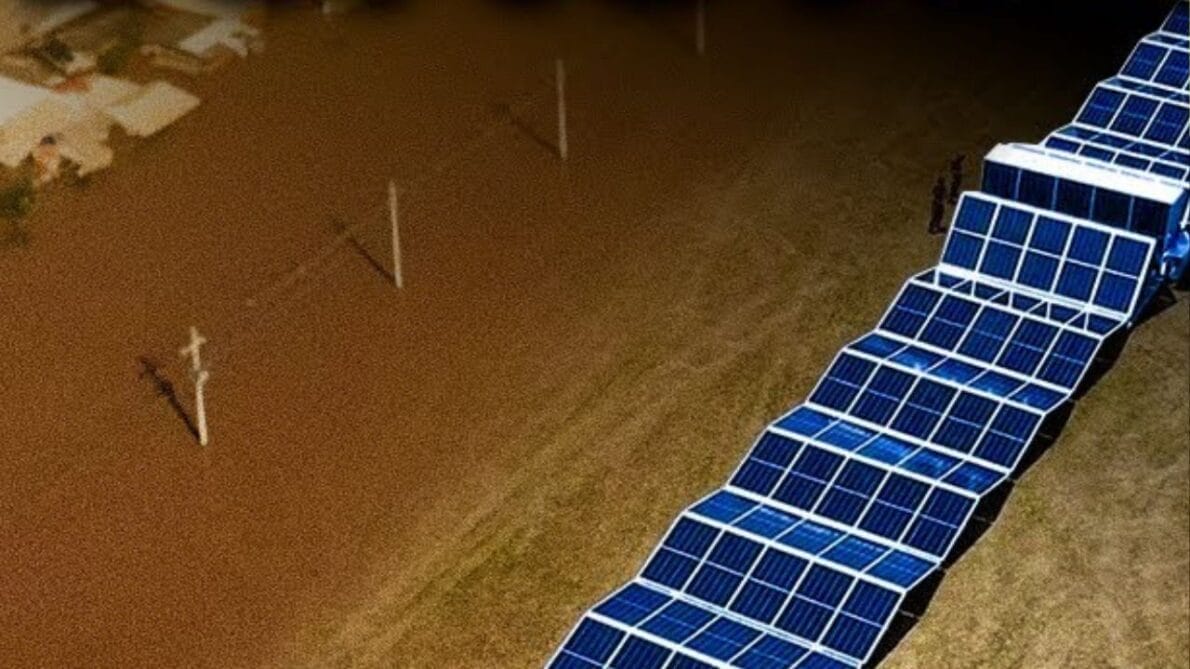
The Floods in Rio Grande do Sul Caused a Devastating Scenario, with Submerged Cities and Huge Damages. In Addition to the Lives Lost, the State’s Infrastructure Was Severely Affected, Leaving 470,000 Units Without Electricity. Even After 20 Days, Many Still Face Power Supply Issues. Amid This Crisis, Solar Energy Emerges as a Possible Solution.
Solar energy can be an effective response to emergency situations like this. One example is the solar container, a mobile photovoltaic plant that can be quickly installed anywhere. Developed by the Austrian company Solar Container, this system can generate enough energy to power affected areas, even when the electrical grid is compromised.
The solar container is a device the size of a standard shipping container. It houses 240 solar panels, which together can generate about 15,000 kWh per month. This is enough to supply approximately 100 homes, considering an average consumption of 150 kWh per residence.
New System


This system can be assembled in just five hours and can be easily transported by ships, trains, and trucks. When deployed, the panels occupy an area of 720 m², equivalent to a football field.
-
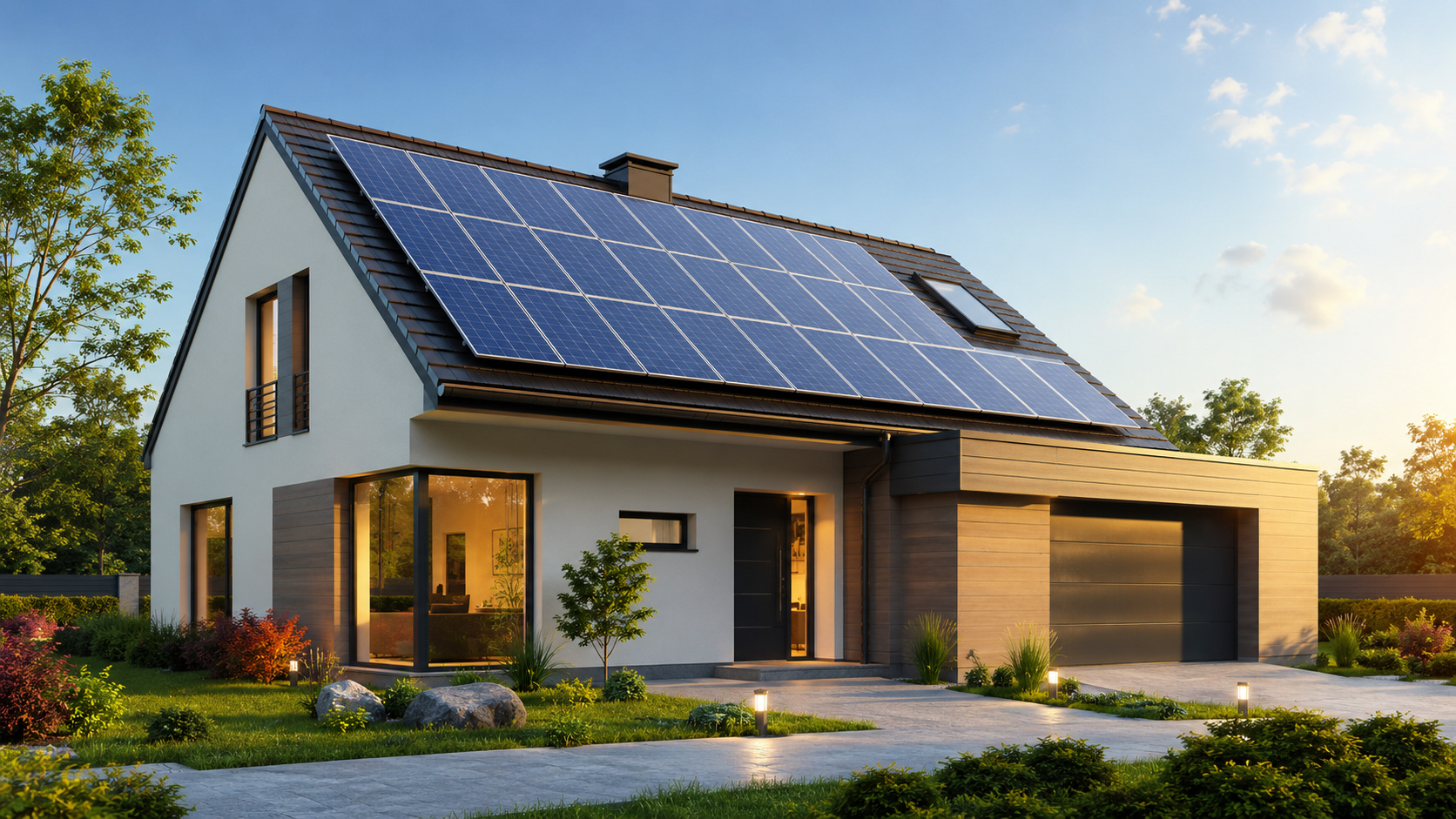
Solar energy can increase property value by up to 10% and become a selling point.

-
Solar and wind energy surpass natural gas for the first time in the world and accelerate energy revolution

-
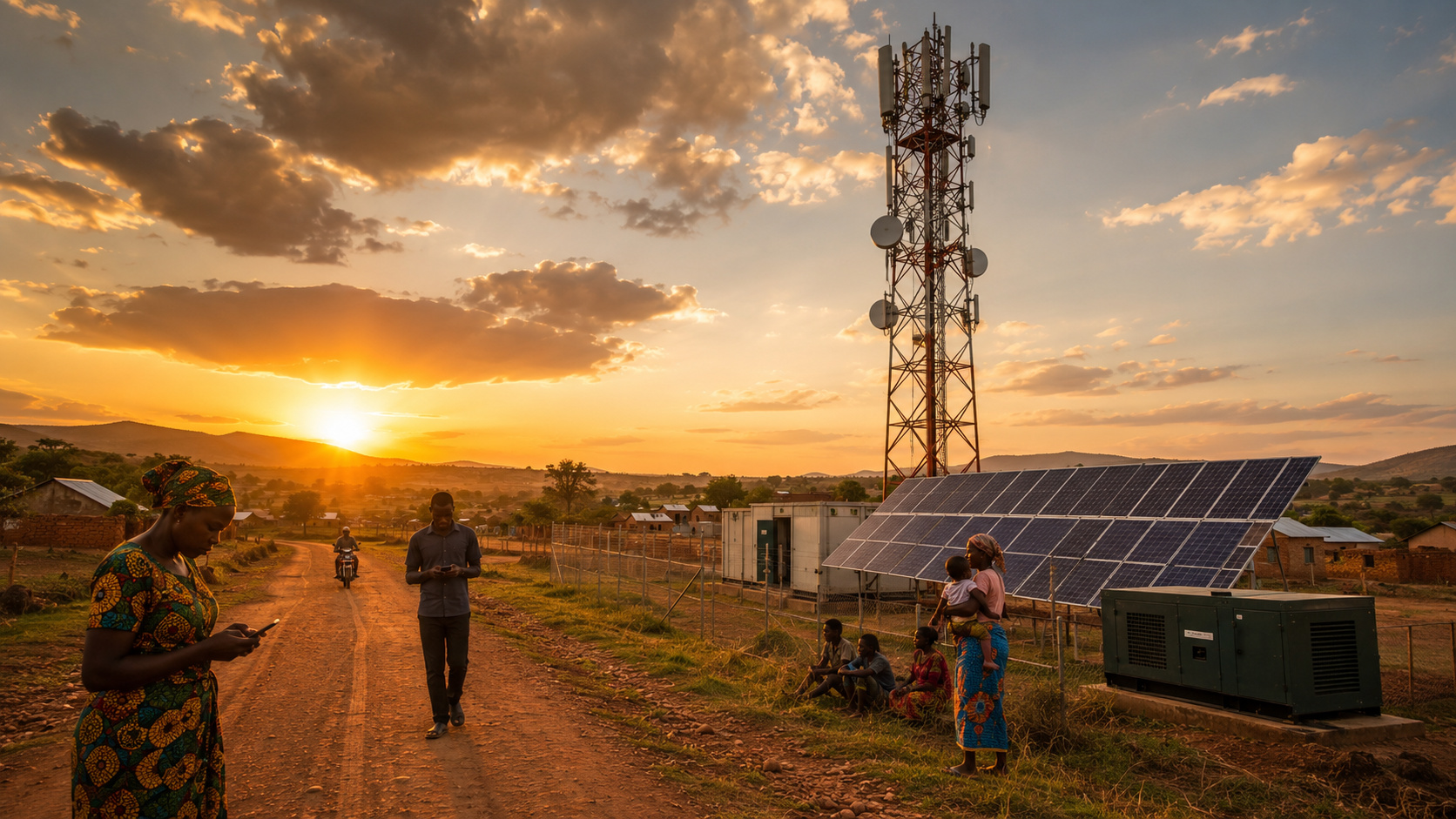
Africa has about 500,000 cell towers and most still burn diesel to operate, while companies rush to cover antennas with solar energy and avoid signal blackouts.
-
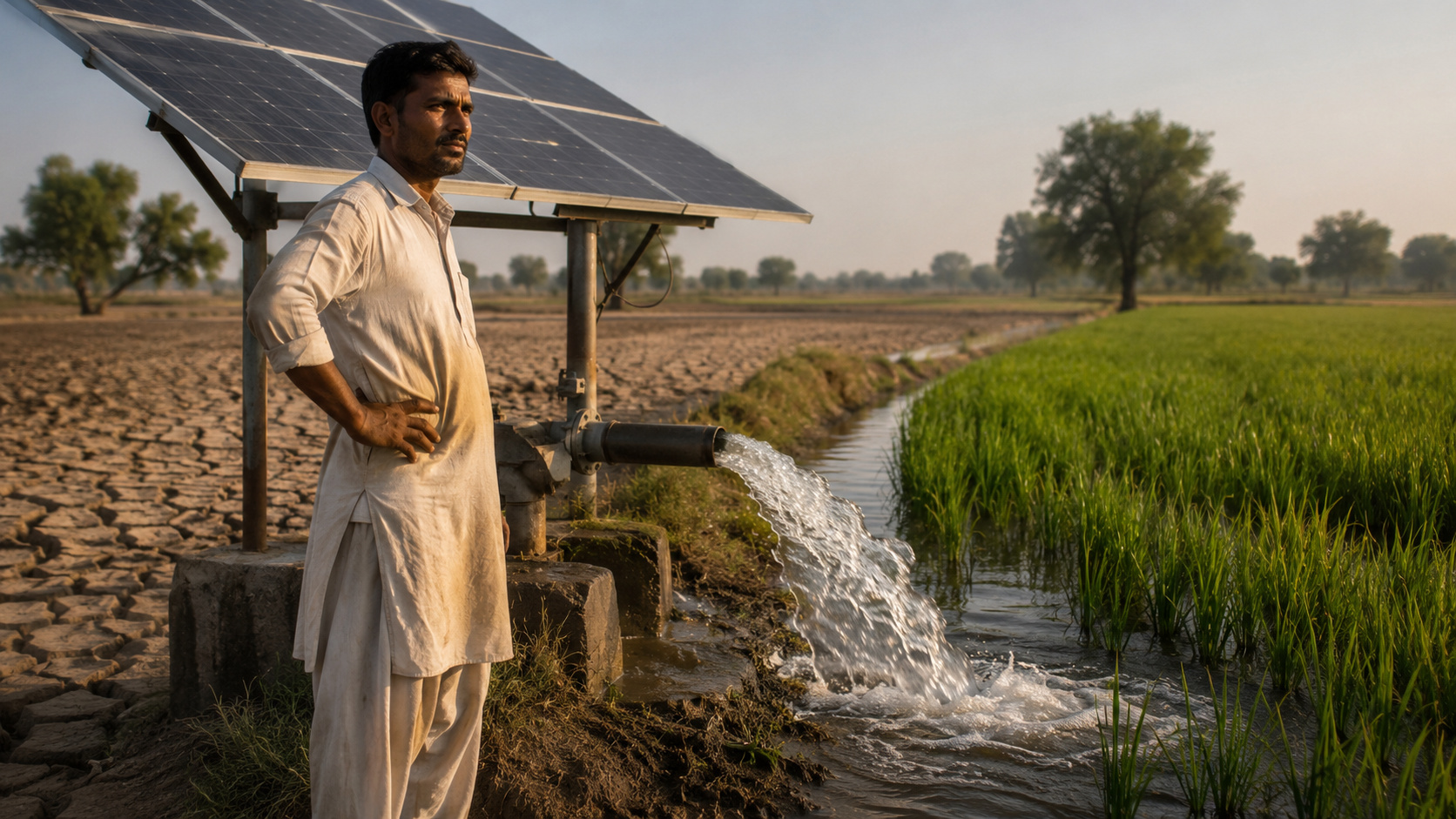
Farmers swapped diesel for solar panels in Pakistan, powered irrigation pumps almost cost-free, expanded rice fields, and now groundwater has become a red alert in the countryside.

The solar container can be used in various situations, especially in crises. During the floods, it can provide power for:
Field Hospitals: Ensuring power to save lives.
Rescue Centers: Keeping rescue operations running.
Affected Communities: Providing reliable power even without the electrical grid.
Solar Energy in Brazil
Solar energy has been rapidly growing in Brazil, representing 18.2% of the Brazilian energy matrix. This is due to the decrease in equipment costs and the search for more sustainable energy alternatives.
There are two main types of solar systems:
On-grid Systems: Connected to the electrical grid.
Off-grid Systems: Completely independent from the electrical grid, using batteries to store energy.
The solar container can operate in both modes, offering flexibility and practical solutions for remote locations and emergency situations.
In light of the floods in Rio Grande do Sul, solar energy stands out as a viable solution to ensure power supply in critical situations. With technologies like the solar container, it is possible to bring electricity to affected areas, helping to mitigate the impacts of the lack of energy and contributing to a quicker and more effective response in times of crisis.







Be the first to react!