






 Portuguese
  Spanish
 2 min of reading
  1 comment


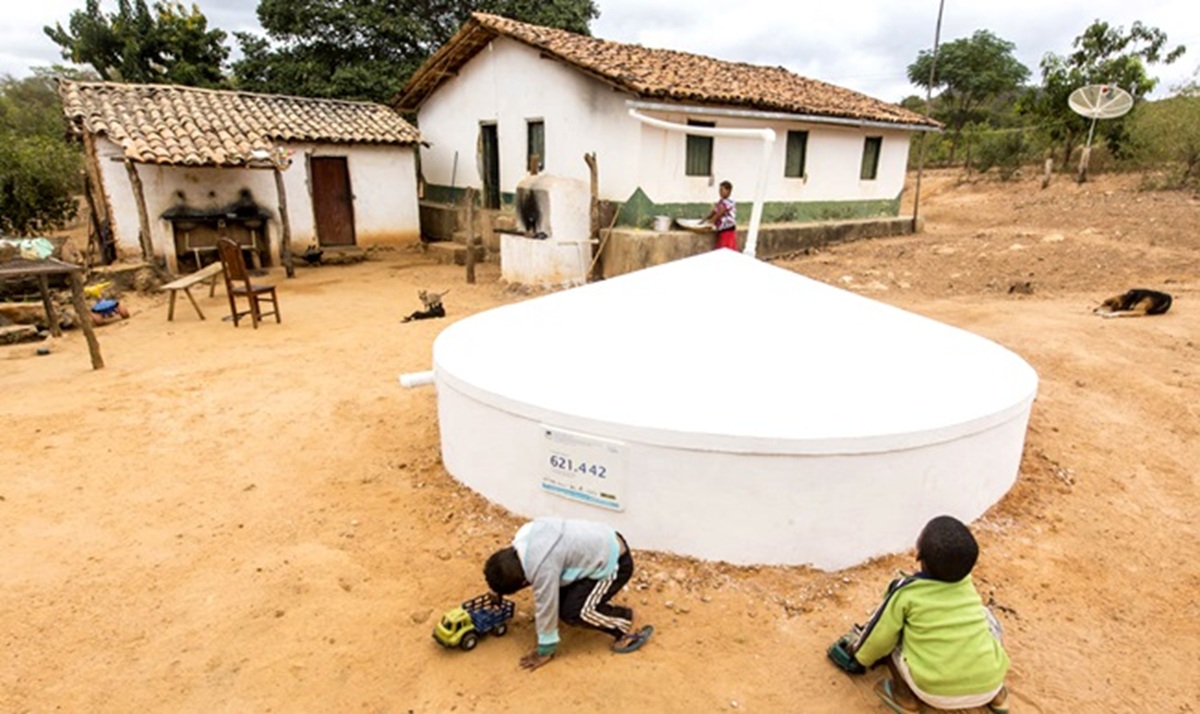


The Northeast Sertão Integrates The Drought Polygon, Occupies About 1,000,000 Km² In 11 States, Records Rainfall Below 500 Mm Annually And Faces Recurring Droughts That Impact Population, Rural Economy And Water Security
The most arid region of the Northeast is the Sertão, a semi-arid strip that spans about 1,000,000 km² in 11 states, records irregular rainfall of less than 500 mm per year, high average temperatures, and a centuries-old history of droughts that affect supply, agricultural production, and social dynamics.
The Sertão includes areas of Ceará, Rio Grande do Norte, Paraíba, Pernambuco, Alagoas, Sergipe, Bahia, Piauí, and portions of Maranhão and Minas Gerais, integrating the so-called Drought Polygon, officially defined in the early 20th century.
The predominant climate is hot semi-arid, with long periods without precipitation, high evapotranspiration, and rains concentrated in few months, which hinders the recharge of reservoirs and shallow aquifers in the region.
-
The world’s largest natural bridge cave is in China, impressing in Guizhou with almost 180 meters in height, a gigantic opening, and internal space used even for cars, becoming a cool tourist refuge within a monumental karst formation.

-
Goodbye, clothesline: new option for drying clothes utilizes walls, doors, and even room height with multiple drying levels, retractable model, and compact structure that promises to transform small laundries in 2026.

-
A discarded microwave may contain 22-carat gold in internal components; study recovered a 450 mg nugget from electronic boards.
-
Beach in the Northeast reaches a new level with a resort worth R$ 745 million, villas up to R$ 8.3 million, a complex of 2,347 hectares, and 6.5 km of beachfront in a destination still far from the hustle and bustle of Pipa.


Average annual temperatures vary between 26 °C and 30 °C, with peaks exceeding 40 °C in years of severe drought, increasing water losses in the soil and reducing dryland agricultural productivity.
The typical vegetation is the Caatinga, a bioma exclusive to Brazil, adapted to water scarcity, with deciduous species, cacti, and thorny shrubs that enter dormancy during prolonged droughts.
Historically, droughts recorded since the 19th century have caused mass migrations, food crises, and local economic collapses, shaping public policies focused on reservoirs, dams, and programs for coexistence with the semi-arid region.
Currently, the Sertão concentrates a significant portion of the country’s vulnerable rural population, with a strong dependence on cisterns, water supply pipelines, and water security programs for human consumption and livestock watering.
Despite climatic limitations, the region hosts centers of irrigated fruit farming, solar energy, and goat and sheep production, demonstrating productive adaptation even under the most arid conditions of the Brazilian Northeast.


Kd o consórcio nordeste..e só fazer uma tubulação de onde o rio são Francisco deságua no mar e levar para estas regiões áridas
.só falta vontade política e união dos estados..