Portuguese
  Spanish


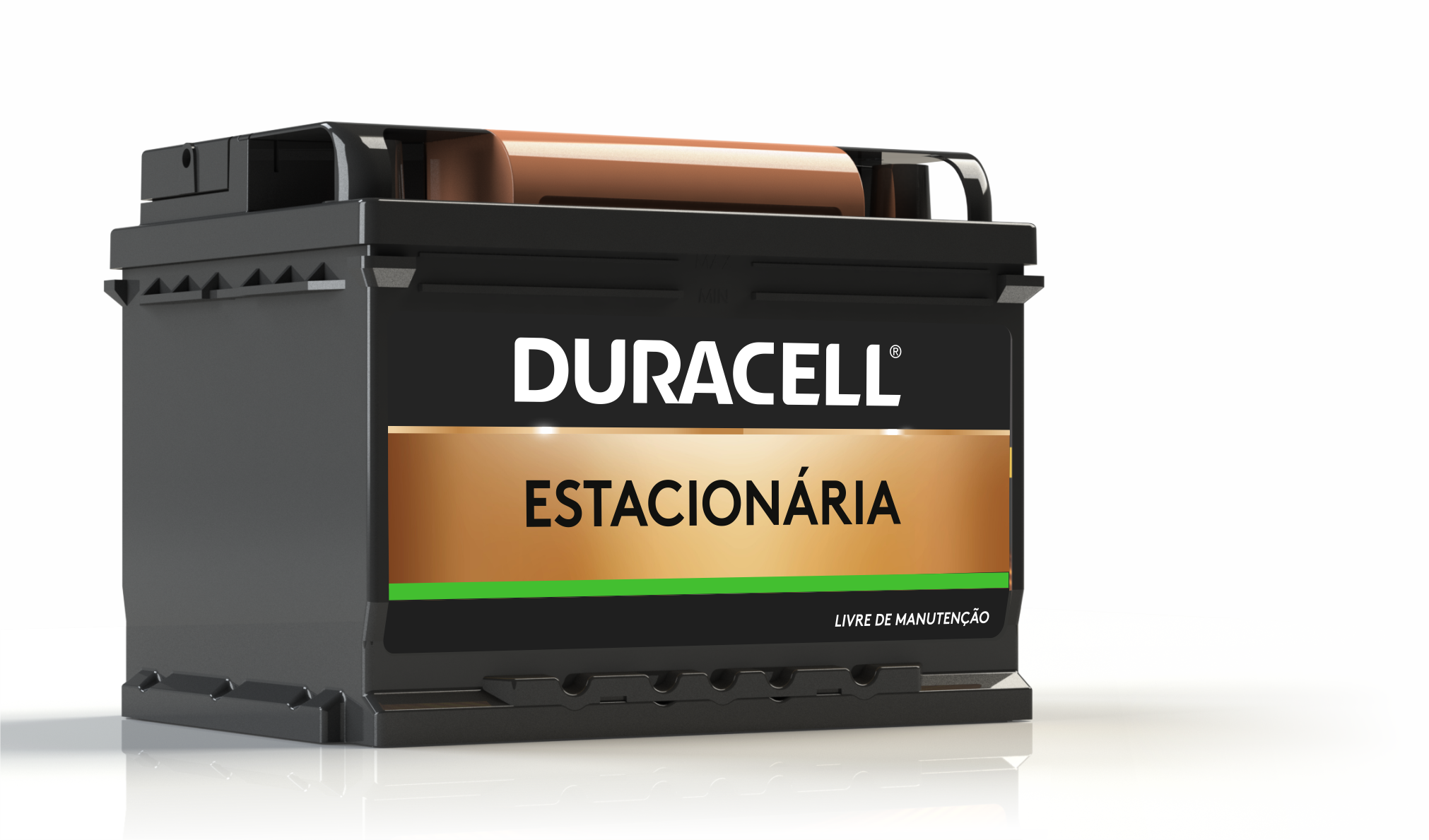

Used In Systems Such As Industrial Production Lines, Wind Power and Photovoltaic Systems, Telecommunications, Security, ATMs, etc., Stationary Batteries Have Seen Increased Demand.
Although similar to automotive batteries in composition, stationary batteries have substantial differences: their utility is intended for systems with greater depth of discharge. Therefore, they have a longer lifespan and energy storage. Their electrodes are thicker and made of lead, with an alloy that achieves at least 95% purity. In this sense, Duracell batteries are a reference in the market.
The Segment Amidst the Covid-19 Crisis
The Covid-19 pandemic, instead of hindering, favored the growth of these batteries. As Luiz Fernando Marca, Marketing Director of Global Energy Manufacturing, the official Duracell licensee for Latin America, says, “the pandemic accelerated the digitalization process in companies, increased the demand for batteries, as one of the main segments we serve is telecommunications, which includes internet providers and companies involved in the installation and maintenance of uninterruptible power supplies.”
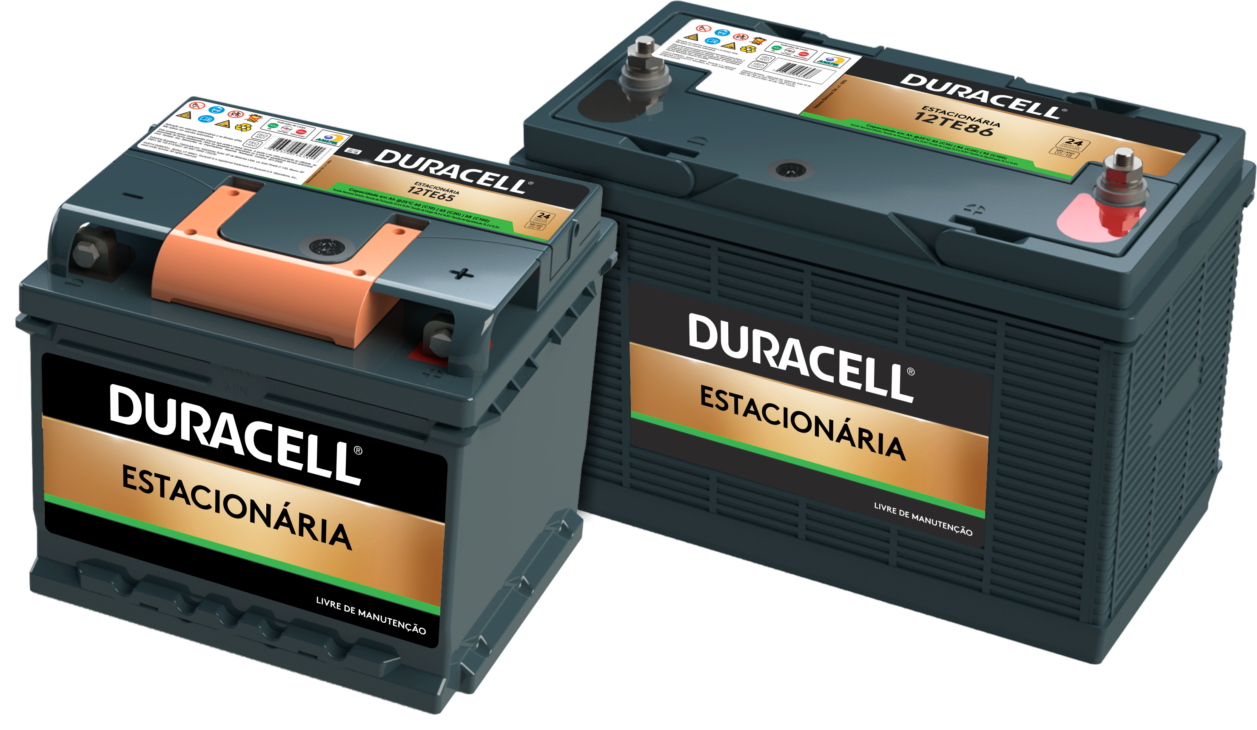
Luiz also notes that there has been a faster expansion in the company’s distributor network, as virtual meetings replaced travel, allowing for more frequent encounters with potential business partners. “Sales in this segment grew on average 15% last year, and for 2022, the projected increase is 22%,” he said.
-
Ceará brings together 7 giants and R$ 66 billion to transform Pecém into the largest green hydrogen hub in Brazil, with final decisions expected by the end of 2026.

-
Scientists Convert Factory Waste Heat into Hydrogen Using Perovskite Catalyst at Significantly Lower Temperatures

-
Airbus and MTU Launch Joint Venture to Advance Hydrogen-Powered Electric Aircraft Engines, Paving the Way for a New Era of Low-Emission Commercial Aviation
-
In a Place Many Doubt Solar Power Works, 360 Panels Operate in the Arctic, Harnessing Reflected Snowlight to Reduce Diesel Use at an Isolated Station


Duracell Batteries
Manufactured in Brazil according to international quality and performance standards, Duracell stationary batteries are approved by Anatel. With stainless steel terminals and lead grid manufacturing technology, making them compact and more resistant to acid solution corrosion, the batteries are exported to Mercosur countries.
Duracell aims to expand its presence in markets for products related to both professional and personal energy. After starting to produce automotive batteries in Brazil in 2017, the brand also began producing batteries for the corporate sector.
Operation and Benefits of Stationary Batteries
There are two types of stationary batteries, VRLA and AGM. AGM batteries are located between microfiber mats, which separate from the rest of the battery, increasing safety and preventing leakage risks. Therefore, it can be used in any position.
The VRLA type consists of lead-acid and is regulated by valves. In addition, they are referred to as Sealed Batteries. This allows for safer use, as they do not release toxic waste and the gases released are repurposed, preventing any type of internal maintenance on the equipment.
Stationary batteries, although safer than automotive batteries, need minor safety details during installation. For them to operate at maximum power and efficiency, they must be installed in areas with a stable temperature of 25°C. Thus, the environment must be climate-controlled. Placing these batteries in temperatures above ten degrees from the suggested reduces their lifespan by half. On the other hand, keeping them at lower suggested temperatures can double their lifespan.
As for cooling instruments, they should connect to uninterruptible power supplies. Indeed, the uninterruptible power supply is important here, as it protects during power outages and inconsistencies in electrical networks, preventing damage to materials.
According to companies specializing in the field, the advantages of stationary batteries are numerous. Among them are:
- Durability and resistance of the product
- Energy concentration
- Safety and reliability in handling the material
- Differentiated energy generation capacity
- Vitality of its action
- Low maintenance requirements
- Use in various positions