Portuguese
  Spanish


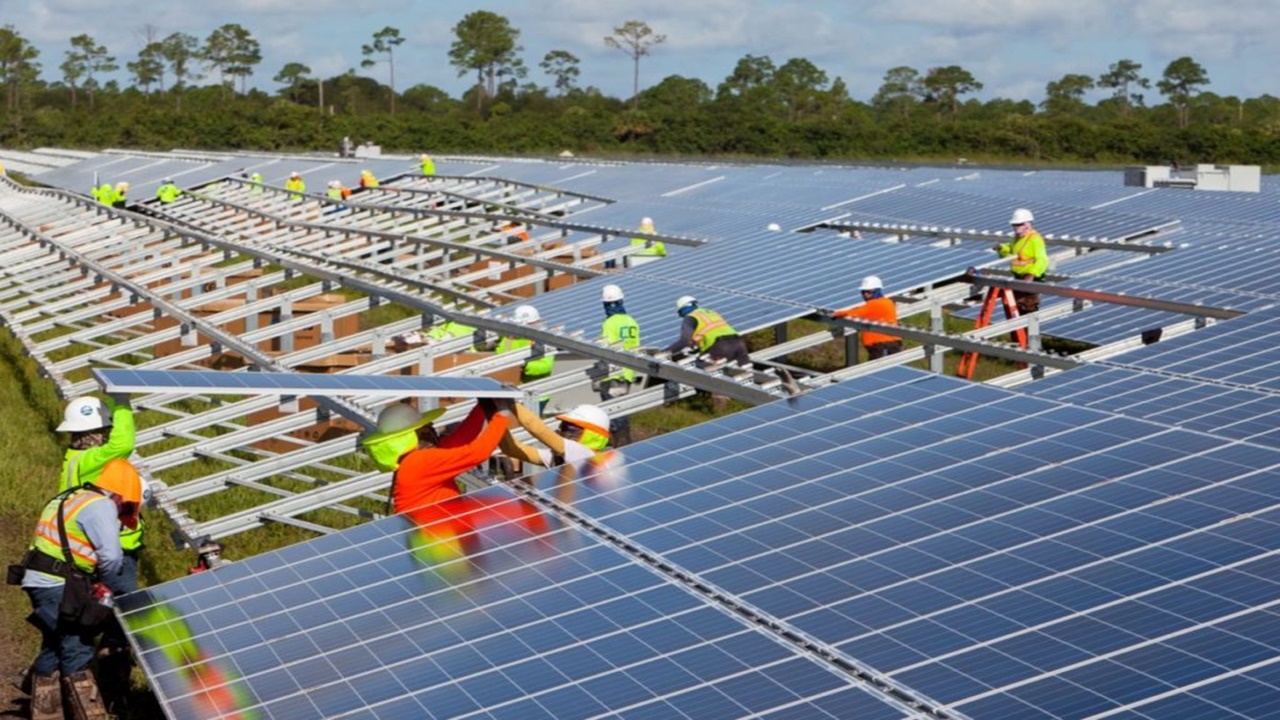

UPS Prevents Unplanned Interruptions and Reduces Costs in Solar Energy Generation Connected to the Distribution Grid Compared to Standalone Models
Despite the impacts caused by the pandemic, the Brazilian solar energy market continues to grow and shows excellent prospects. According to the Brazilian Association of Photovoltaic Solar Energy (ABSOLAR), nearly R$ 16 billion in new investments were made last year, with the installation of approximately 3,152.9 megawatts (MW) of photovoltaic solar energy sources.
Read Also
- 446 Construction Workers Died as a Result of Electrical Shock Accidents
- Transport Company is Looking for High School, Technical, and College Professionals for Job Openings in São Paulo
- Research Institute of Education and Technology Partnered with the Catholic University of Petrópolis Offers 70 Free Distance Courses
- L’Oréal, a Global Leader in Hair Products, Perfumes, Sunscreens, and Dermatological Products, Calls for Candidates with No Experience in RJ and SP for Openings in its Trainee Program 2021
- Software Developer for Companies in the Logistics, Transport, and Fleet Segments has 30 Job Openings in Technical, Commercial, Administrative, Marketing, and Customer Service Areas
Due to this scenario, companies in the solar sector are already discussing and seeking alternatives to keep pace with this growth and improve operational performance, increase energy efficiency, avoid unplanned interruptions, and reduce costs of these projects.
UPS Improves Efficiency of Solar Energy Systems
According to Pedro Al Shara, CEO of TS Shara, the UPS is an alternative to improve the efficiency of photovoltaic energy systems, working parallel to the modules and inverters. Known as an Uninterruptible Power Supply (UPS), it activates if the solar radiation captured is insufficient to supply the location or if any external agent interferes with the operation of the on-grid and off-grid systems that integrate this ecosystem.
-
Brazil’s Offshore Wind Energy Potential Worth $1 Trillion Stalled by Long-Delayed Agreement

-
World’s Largest Engie Solar Plant in Brazil Highlights Billion-Dollar Energy Waste Issue: Company Considers Batteries and Bitcoin Mining to Avoid Wasting Production

-
Air Products Cancels $2.9 Billion Clean Hydrogen Megaproject in Louisiana, Shuts Down Arizona Unit, Highlighting High Costs of U.S. Energy Transition
-
Over 60 Tractors Take to the Streets in Lopera as Solar Parks Compete with Olive Groves, Affecting 13,000 to 100,000 Trees According to Conflicting Reports


“When there is no converted energy available for use, the on-grid model starts being powered by the public electrical grid. At this time, the UPS is responsible for filtering the electricity that arrives at the electronic devices in the location, protecting them from disturbances such as short-circuits or undervoltage. In the off-grid system, in addition to continuing to maintain a more stable and clean grid, the UPS has an additional function: it provides the necessary energy, previously stored in its batteries, to ensure supply during periods without sunlight or at night,” explains Al Shara.
Furthermore, another important point to remember is that outdated energy systems affect operations and increase the likelihood of errors and unplanned downtime. “Therefore, installing a network of UPS systems that provide access and instant support to critical operational information, for example, is a good strategy to manage these systems, as the impacts derived from this lack delay both the companies’ actions and those of end users,” concludes Al Shara.
About TS Shara
With 30 years of operation, TS Shara is a national company and one of the market and high technology industry leaders, manufacturing UPS and voltage stabilizers, smart network protectors, solar and telecommunications inverter systems. In the low and medium power segment, it is today one of the largest and most productive companies in the Brazilian market for protection and energy equipment, offering a complete line of products totaling over 200 items to cater to the SOHO market.
With a factory in São Paulo, the company is present throughout the country through 250 technical assistance units, in addition to resellers and distributors that together total more than 380 channels, and also exports to more than 15 countries.
All products manufactured by TS Shara undergo rigorous quality control and are certified by important research and development centers, such as the TÜV Rheinland laboratory, accredited by Inmetro. TS Shara also has significant recognitions, including the Quality Certificate according to ISO 9001 standard, which the company has maintained for over ten years.