






 Portuguese
  Spanish
  4 min of reading
  0 comments


Historical Investments in the Port Sector Promise to Transform Brazilian Logistics, with Unique Works such as the First Submarine Tunnel in Latin America, Capacity Expansion in Santos, Dredging in Paranaguá, and Pioneering Hydrovia Concession.
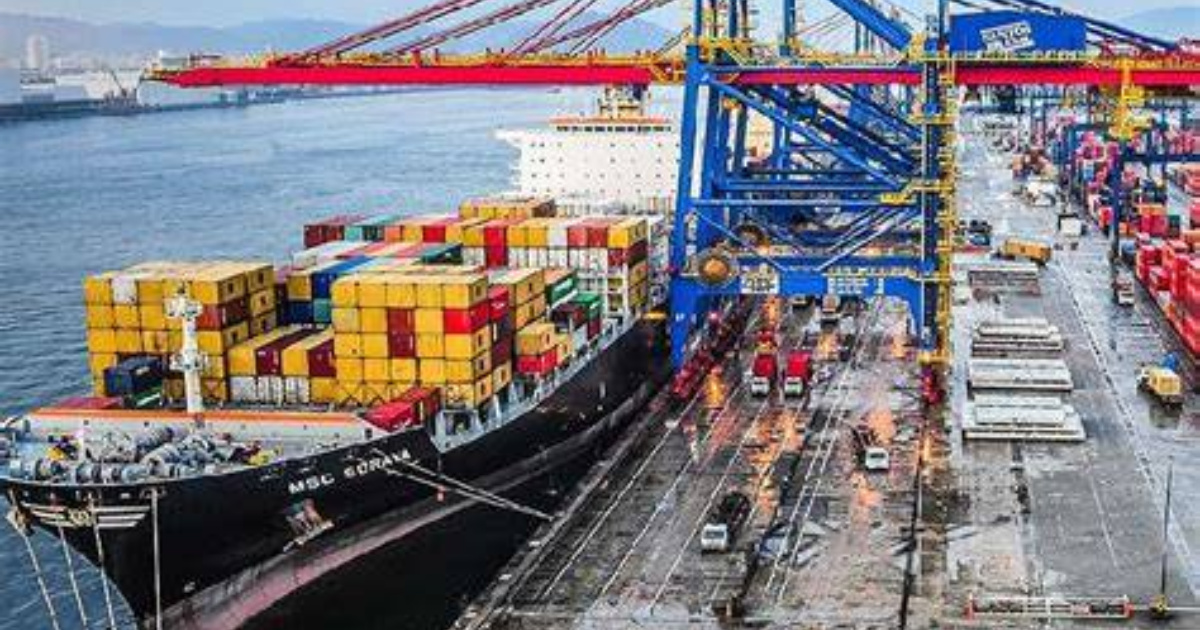
The federal government forecasts R$ 30 billion in investments in the port sector by 2026, with over 60 auctions scheduled.
The projection was presented by the Minister of Ports and Airports, Silvio Costa Filho, during the Infrastructure Forum in São Paulo.
Among the highlighted projects are the Santos-Guarujá Tunnel, the new container terminal Tecon Santos 10, the first dredging concession at the Port of Paranaguá, and the granting of the Paraguay River hydrovia.
-
Brazilian Joins Homeownership Consortium, Faces Decade of Dual Payments Totaling $141,000, Surpassing Traditional Mortgage

-
Land Rover to Halt Production in July, Putting 371 Jobs at Risk, as Chinese Automaker Negotiates to Convert Factory to 100,000 Vehicles Annually by 2027

-
Mexican Pest Threatens U.S. Cattle Herds at Historic Lows, Potentially Boosting Brazilian Beef Exports as Burger Prices Soar

-
Brazilian Freight Bill Progresses in Congress with $5,000 Minimum Wage, 70% Advance Payment, and Fines Up to $1 Million, as Agriculture and Industry Warn of Rising Costs and Legal Uncertainty


Expansion of Concessions and New Investments
Silvio Costa Filho stated that 2024 was “the best year for concessions in Brazilian history,” with infrastructure contracts totaling over R$ 200 billion.
For the ports, the government plan includes modernization and maintenance works, as well as the creation of new logistics corridors.
According to the minister, the actions are part of the National Logistics Plan, with goals set until 2035.
The Submarine Tunnel between Santos and Guarujá
The Santos-Guarujá Tunnel will have its auction held on September 5, 2025.
With estimated investments of R$ 6 billion, the project is being developed in partnership between the Union and the government of São Paulo and was officially presented as the first submarine tunnel in Latin America.
The preliminary environmental license has already been issued, and the republished notice brought regulatory adjustments to reduce risks in the construction.
The expectation is for greater logistical fluidity in access to the Port of Santos, as well as benefits for urban mobility in the Baixada Santista.
Tecon Santos 10: Increased Operational Capacity
Another highlight of the portfolio is Tecon Santos 10, expected to be auctioned in the second half of 2025 after analysis by the TCU.
The terminal will receive R$ 5.6 billion in investments over 25 years and is expected to increase the container handling capacity by 50% in Santos.
The port, which is already the largest in Latin America, will also receive further investments, totaling R$ 12.5 billion in public-private partnerships by 2028.
Paranaguá Will Have Dredging Conceded to the Private Sector
The concession of dredging at the Paranaguá Canal (PR) inaugurates an unprecedented model in the country.
With a forecast of R$ 1 billion in investments, the contract will allow for permanent maintenance of the depth and greater predictability in the docking of ships.
The project, already approved by the TCU, is expected to serve as a reference for the Port of Santos, which will have a similar model starting in 2025.
Hydrovias Take Center Stage in the Concessions Agenda
The Paraguay River is set to receive Brazil’s first hydrovia concession, in a section located in Mato Grosso do Sul.
The notice is in the final analysis phase at the TCU and provides for a minimum depth maintenance of 2 meters in the dry season and 3 meters during flooding.
The expectation is to reduce logistical costs by up to 40% and promote sustainable transport.
The hydrovias of Madeira, Lagoa Mirim, Tocantins, and Tapajós are also under study.
Aviation with More Investments and Passengers
In addition to the port agenda, the minister highlighted programs aimed at aviation. In 2022, Brazil transported 98 million passengers.
For 2025, the MPor estimates to reach 135 million. The AmpliAR program allocates R$ 1.25 billion to regional aviation, benefiting 19 airports in 11 states.
The Investe + Airports program anticipates R$ 4.5 billion in works and improvements to enhance sector efficiency.
Port of Santos in Numbers
In 2024, the Port of Santos handled 179.8 million tons, with 131.3 million exported and 48.5 million imported.
The annual revenue reached R$ 200 billion, with cargo sent to over 200 countries.
China and the United States remained the main destinations.
Among the products with the highest participation are:
- Cotton (96%)
- Orange Juice (90%)
- Sugar (72%)
- Coffee (76%)
- Beef (67%)
- Corn (38%)
- Soy (31%)
Economic Scenario and Social Impact
In his lecture, Silvio Costa Filho emphasized the drop in unemployment to 5.8%, considered the lowest rate ever recorded.
He also pointed to GDP growth over the past two years as proof of stability to attract investments.
The minister stated that the current portfolio of concessions is generating positive impacts in the job market and expanding opportunities in different sectors of the economy.
With projects already planned, ongoing studies, and both national and foreign investors closely monitoring the auctions, the infrastructure sector is advancing at a rapid pace.
The major question now is how these transformations will be reflected in the daily lives of those who rely on the ports, hydrovias, and airports to produce, export, and circulate throughout Brazil.





Be the first to react!