






 Portuguese
  Spanish


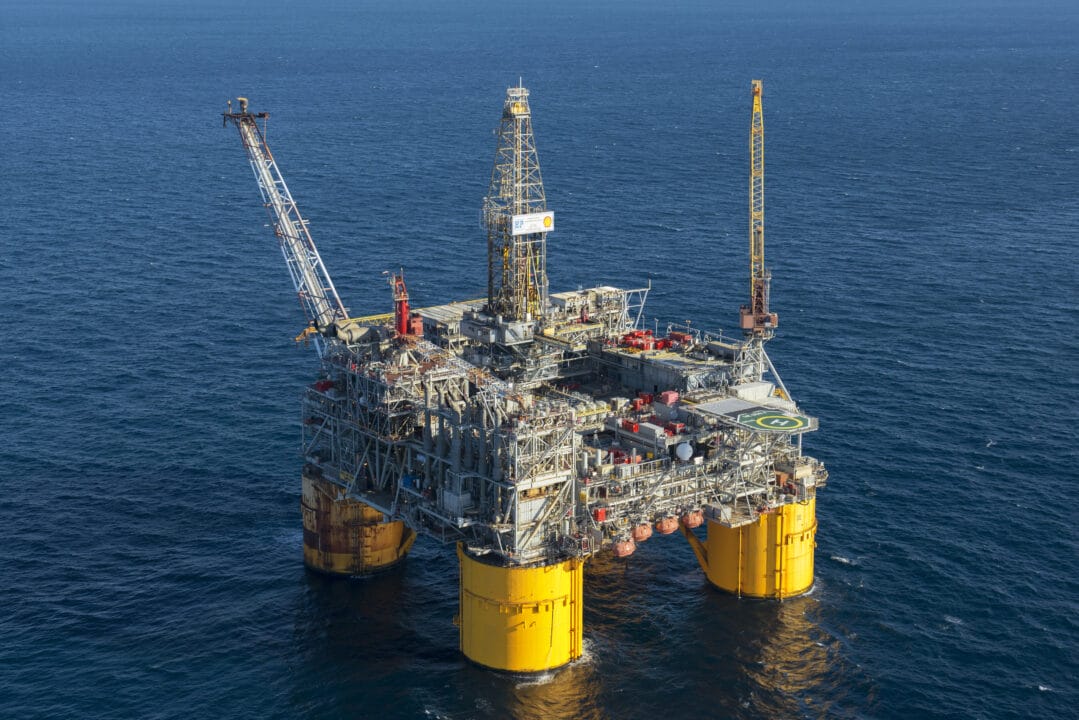
The Kaikias Field in the Gulf of Mexico, USA, Is a Deepwater Project That Uses a Subsea Link to the Neighboring Ursa Production Center.
Shell Offshore Inc., a subsidiary of Shell plc, acquired a 20% Working Interest (WI) from MOEX North America LLC, a 100% subsidiary of Mitsui & Co., Ltd., in the Kaikias Field in the Gulf of Mexico. Shell now holds a 100% WI and remains the operator. Shell’s Ursa Platform. The Kaikias Field in the Gulf of Mexico is a deepwater project that utilizes a subsea link to the neighboring Ursa production center. Shell discovered the Kaikias Field in 2014. The field is located in the prolific Mars-Ursa basin, approximately 130 miles off the Louisiana coast. Production began in May 2018.
Since its discovery, the Kaikias Field in the Gulf of Mexico has been a productive investment. By increasing Shell’s working interest in this field, we are creating options for our future as a leading producer in the Gulf of Mexico. This investment underscores Shell’s long-term commitment to the U.S. Gulf of Mexico, where production is essential to ensure a reliable and secure energy supply. Furthermore, production in the U.S. Gulf of Mexico has one of the lowest greenhouse gas (GHG) intensities for scopes 1 and 2 in the world. The U.S. Gulf of Mexico is a strategic area for Shell, and we will continue to invest in projects that benefit the region.
Gulf of Mexico: An Energy Company Subsidiary Invests in Production
The energy company XYZ announced that its subsidiary, responsible for operations in the Gulf of Mexico, USA, is investing in a new subsea link to increase oil production in the region. This productive investment demonstrates the company’s long-term commitment to reliable energy production in the area.
-
Oil production grows in Rio, but reserve replacement raises a warning sign

-
Petrobras is expected to complete the drilling of the Morpho well in the Foz do Amazonas in August 2026, the first well in the Equatorial Margin, an oil frontier that the ANP estimates at more than 30 billion barrels and could redraw the map of Brazil.

-
Oil returns to the center of concerns with tension between the US and Iran

-
IEA reduces forecast for global oil demand in 2026 after impacts of the Middle East crisis
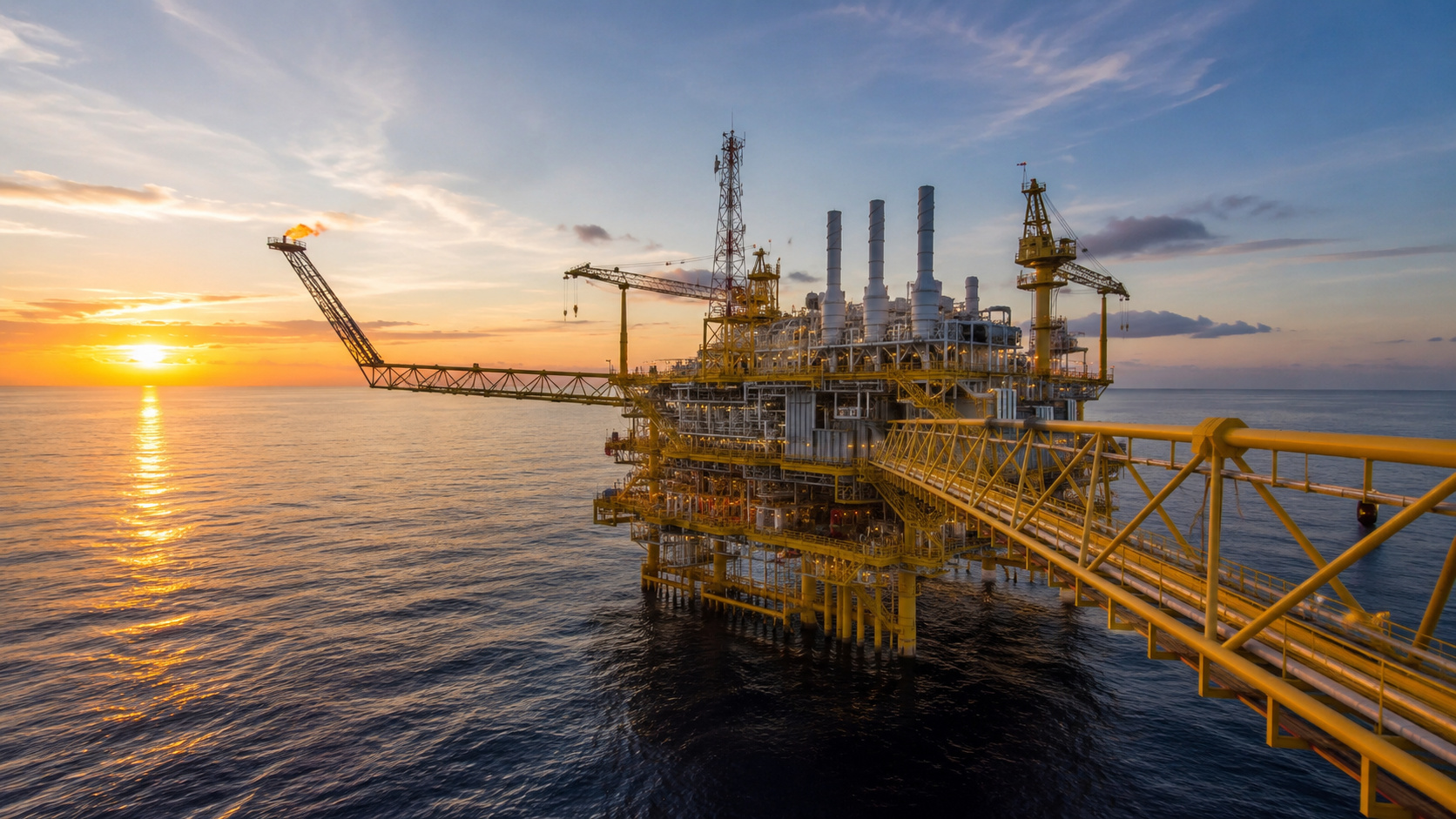


The Gulf of Mexico is a strategic region for the company, which holds a significant Working Interest in several operations in the area. The company has been dedicated to increasing its presence in the Gulf of Mexico, expanding its exploration and production activities.
With this new investment, the company expects to increase its oil and natural gas production in the Gulf of Mexico. The subsea link will enable the development of new production fields, strengthening the company’s position in the region.
Additionally, the company is committed to ensuring safety and environmental protection during its operations in the Gulf of Mexico. The company has implemented stringent measures to ensure the sustainability of its activities in the region, respecting local and international environmental regulations.
These investments in the Gulf of Mexico reflect the company’s long-term vision, seeking to consolidate its position as one of the leading operators in the region. The company is confident in the potential of the Gulf of Mexico and is focused on achieving positive long-term results.
Source: World Oil







Be the first to react!